

Formula 1’s AI Revolution: Driving Race Strategy and Fan Engagement
The Formula One (F1) paddock arriving in Marrakech, Morocco, for this weekend’s Moroccan Grand Prix is carrying more artificial intelligence (AI) infrastructure than any previous race in the sport’s history.
Recent data from research firm Ampere Analysis, reported by Reuters on May 4, reveals that eight new AI partnerships were signed in just six months. This shift marks a transition from simple logo placement on car liveries to deep operational deployment within strategy calls, engineering rooms, and fan platforms.
The Drive for Operational Efficiency
The acceleration of AI integration is being driven by a $215 million cost cap and the most significant technical regulation overhaul in a decade. These constraints reward efficiency over raw spending.
Adam Lewis, a senior analyst at Ampere Analysis, noted that “Efficiency is one of the ubiquitous benefits of AI products, meaning a natural synergy between teams and AI brands.”
Atlassian Williams Racing is currently utilizing Claude from Anthropic to enhance team operations and race strategy. Board advisor Peter Kenyon emphasized that the partnership is “much more than a sticker on a car or a sticker on a billboard,” viewing it as a differentiating factor in the team’s journey back to the top.
From Search to Decision-Support
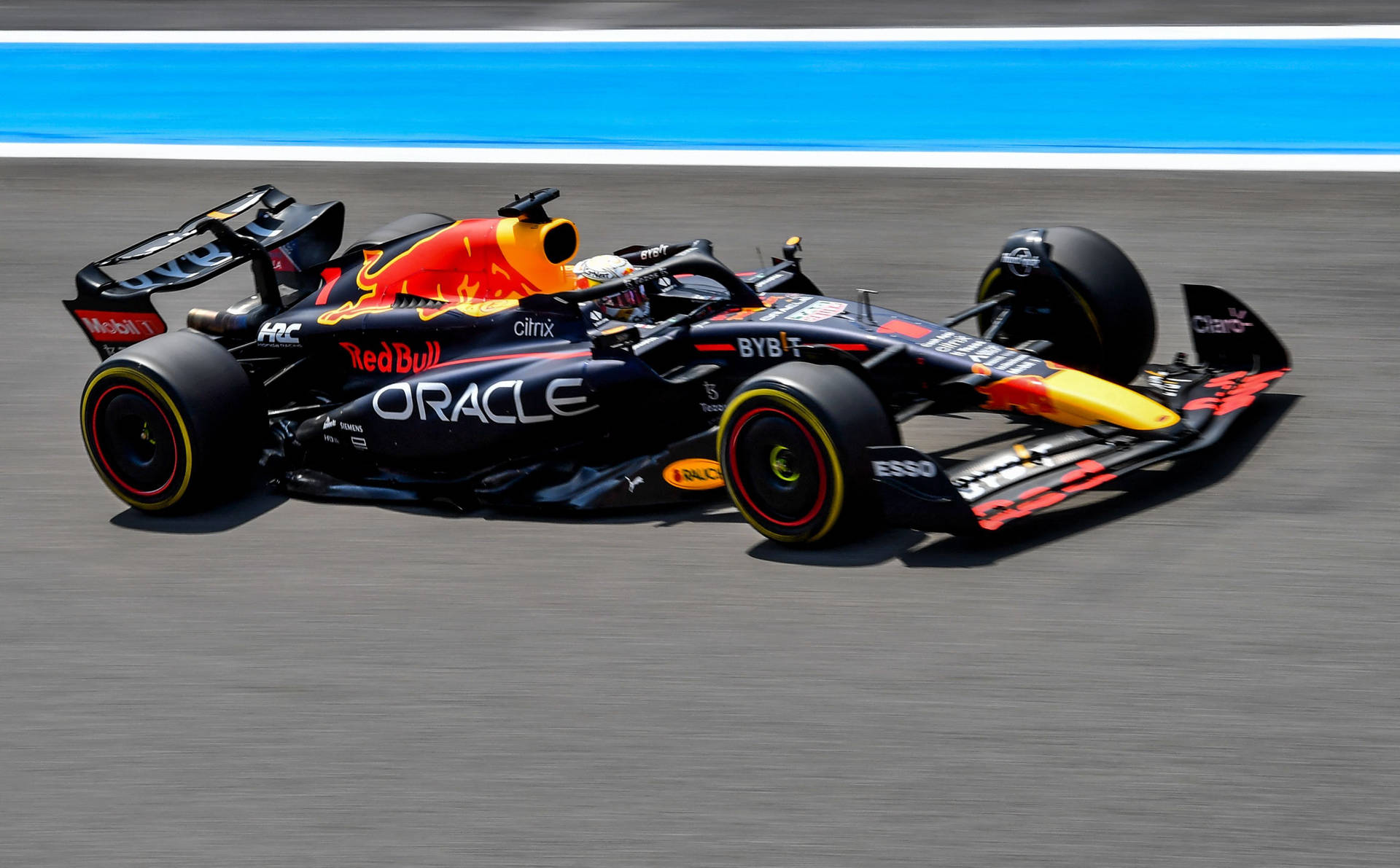
Red Bull Racing has embedded Oracle technology across its operations, moving beyond basic AI search functions. Jack Harington, then-group partnership lead at Red Bull Racing, described this as a shift toward an “agentic approach” where the AI provides actual decisions rather than just searching for information.
This operational shift is reflected in the finances of the sport. Technology led F1 team spending categories last season, reaching an estimated $769 million, a 41% increase from the previous year.
According to an April 30 report from SponsorUnited, AI and machine learning brands now account for four of the top 15 new sponsorship investors in the sport.
Enhancing the Fan and Broadcast Experience
AI is also reshaping how the sport interacts with its audience. F1 utilizes Amazon Web Services to power race-day analytics and live television broadcasts.
Lee Wright, then-head of IT operations at F1, stated that tasks previously requiring 15 full engineer days could be handled in three with AI tools, which also help route issues to the correct resolution teams.
To assist fans, F1 launched “Your Tech Director” in March, an AI agent built on Salesforce’s Agentforce platform designed to explain rule changes in plain language.
Ferrari is focusing its AI efforts on the stands through a partnership with IBM. By rebuilding its fan app around AI-driven personalization and engagement signals, Ferrari reported a 62% increase in engagement over race weekends.
Stefano Pallard, Ferrari’s head of fan development, stated the goal is to ensure every fan feels the experience was built for them to build lasting loyalty.
Future Implications
As teams continue to operate under strict cost caps, the reliance on AI for efficiency may likely increase. Further integration of agentic AI could potentially shift more decision-making power from human engineers to automated systems during live races.
The success of personalized fan experiences, such as those seen with Ferrari, may lead other teams to prioritize audience-facing AI over garage-based technology to drive commercial growth.
Frequently Asked Questions
How many new AI partnerships have been signed in F1 recently?
According to Ampere Analysis, eight new AI partnerships were signed within a six-month period.
What is the current cost cap affecting F1 teams?
F1 teams are operating under a $215 million cost cap for 2026.
How has AI improved F1’s operational triage?
A generative AI assistant from AWS reduced initial triage for operational issues from over a day to less than 20 minutes, reducing resolution time by as much as 86%.
Do you think the shift toward AI-driven decision-making will change the fundamental nature of racing strategy?