
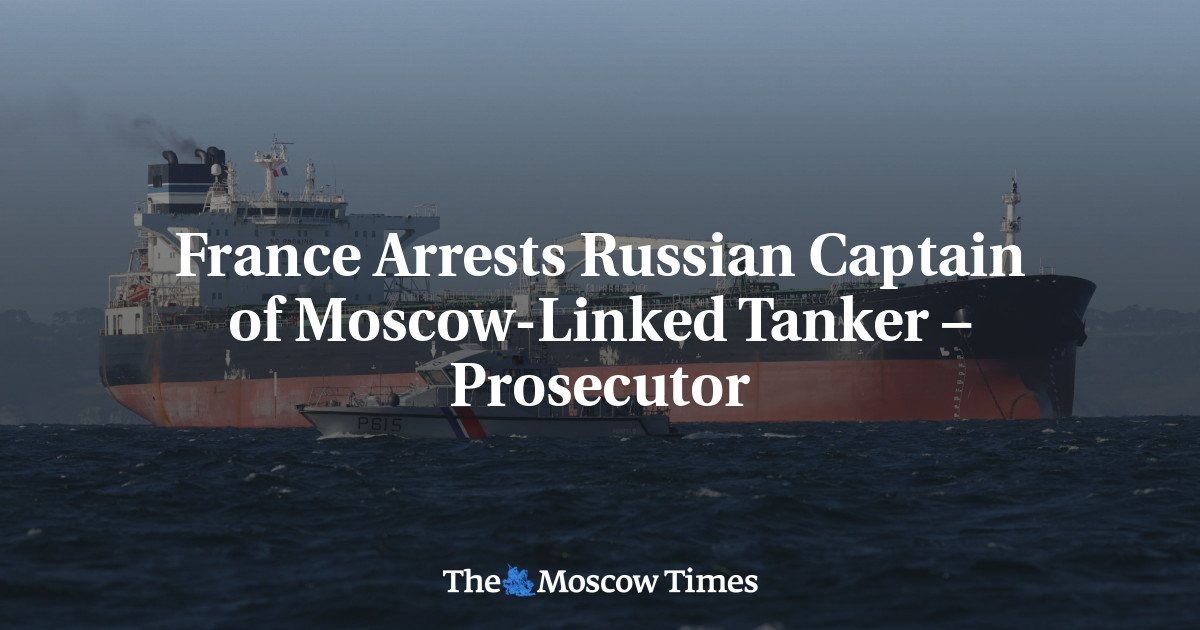
France Detains Russian Captain of Seized Shadow Fleet Oil Tanker
The High-Stakes Game of Cat and Mouse: France vs. The Russian Shadow Fleet
The recent seizure of the oil tanker Tagor by French authorities marks a significant escalation in the ongoing maritime shadow war. As Western nations tighten the net around Russia’s “shadow fleet”—a clandestine network of aging, often uninsured vessels—the global energy trade is becoming increasingly volatile.
By detaining the Russian captain and intercepting the vessel in international waters, France is sending a clear signal: the era of operating under a “false flag” to bypass international sanctions is drawing to a close. But what does this mean for the future of global shipping and energy security?
The Mechanics of the Shadow Fleet
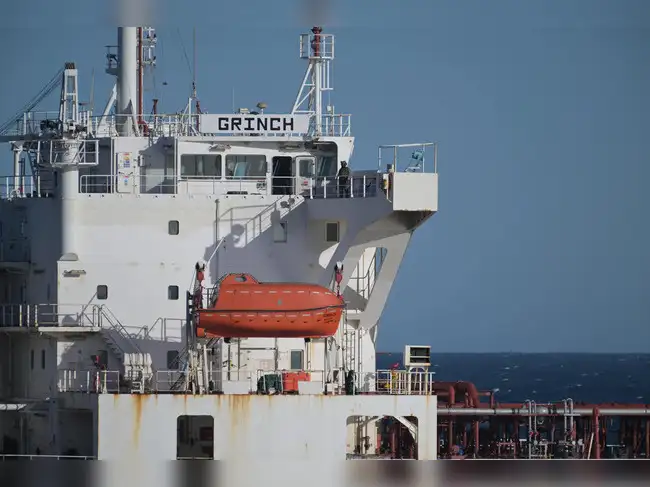
The shadow fleet operates on a simple, if dangerous, premise: aging tankers, often purchased through opaque, offshore shell companies, transport oil to bypass price caps and export restrictions. These ships frequently disable their Automatic Identification Systems (AIS) to “go dark,” making them invisible to maritime traffic monitoring.
The Tagor incident highlights a growing trend of authorities using boarding operations in international waters to enforce maritime law. For shipping companies, this creates a massive compliance headache. If a vessel is suspected of carrying sanctioned cargo, the risk of seizure, heavy fines, and imprisonment for the crew is no longer a theoretical threat—it is a reality.
Rising Risks for Maritime Operators
For those in the logistics and energy sectors, the legal landscape is shifting. We are seeing a move toward:
- Enhanced Due Diligence: Companies must now perform deep-dive background checks on vessel ownership, moving beyond simple flag verification.
- Insurance Complications: Many shadow fleet vessels operate without standard P&I (Protection and Indemnity) insurance, leaving them—and the ports they visit—vulnerable in the event of an oil spill or collision.
- Legal Liability: As seen with the Boracay case, captains and owners are being held personally and financially accountable, even when legal proceedings occur in absentia.
Future Trends: Is the Shadow Fleet Sustainable?
The Kremlin has decried these seizures as “international piracy,” yet Western authorities show no sign of backing down. As the conflict over energy exports continues, we can expect three major shifts in the coming years:
1. Increased Use of Satellite Intelligence
Governments are increasingly relying on private satellite imagery to track “dark” vessels. Expect to see more real-time enforcement actions as maritime surveillance technology becomes more affordable and precise.
2. “Flag of Convenience” Crackdowns
Countries that allow vessels to fly their flags without proper oversight are facing intense diplomatic pressure. We may see a global push to standardize ship registration, making it harder for rogue tankers to hide their origins.
3. Higher Insurance Premiums for Older Vessels
The insurance industry is tightening its grip. Vessels that cannot prove their provenance or lack proper safety certifications will find themselves locked out of major shipping lanes and primary ports, effectively forcing them into the high-risk, low-reward shadow market.
Frequently Asked Questions (FAQ)
- What is the “shadow fleet”?
- It is a collection of older, often poorly maintained tankers used by sanctioned nations to transport oil while evading international monitoring and price caps.
- Why does France have the authority to seize ships?
- France, like other EU nations, enforces sanctions within its jurisdiction and coordinates with international partners to uphold maritime regulations when vessels are suspected of illegal activity or violating safety protocols.
- What happens to the seized ships?
- Ships are usually held in port, and their captains/owners face legal proceedings. In many cases, ships are released only after paying significant fines, though the legal process can take months.
What are your thoughts on the ethics of maritime seizures? Do you believe these actions will effectively curb illegal oil exports, or will they only force the shadow fleet further underground? Join the discussion in the comments below or subscribe to our newsletter for the latest updates on global maritime security.