

France Proposes Stricter Penalties for Crimes Against Minors Following Lyhanna Case
French Prime Minister Sebastien Lecornu is proposing life sentences for serial rapists and a mandatory three-month deadline for investigations into crimes against minors. These measures follow the murder of 11-year-old Lyhanna and a government order by Justice Minister Gerald Darmanin to review 70,000 pending child-related case files by July 14.
Why is France tightening laws on crimes against minors?
The French government is reacting to intense public pressure and allegations of judicial inertia. The catalyst was the death of Lyhanna, an 11-year-old girl whose murder has sparked nationwide protests. According to government reports, the primary suspect, Jerome Barella, had been the subject of numerous previous reports and complaints, yet no legal action was taken against him prior to this crime.

Prime Minister Sebastien Lecornu held a 90-minute meeting with ministers to establish immediate protections. He proposed increasing the maximum penalty for serial rapists from 20 years to life imprisonment. To prevent future systemic delays, Lecornu established that investigations into crimes against minors must now be completed within a maximum period of three months.
What happens to the 70,000 pending case files?
Justice Minister Gerald Darmanin has ordered an immediate audit of the judicial system. By July 14, the ministry requires a full review of approximately 70,000 files involving reports of crimes against minors. This directive follows a meeting Darmanin held with general prosecutors.
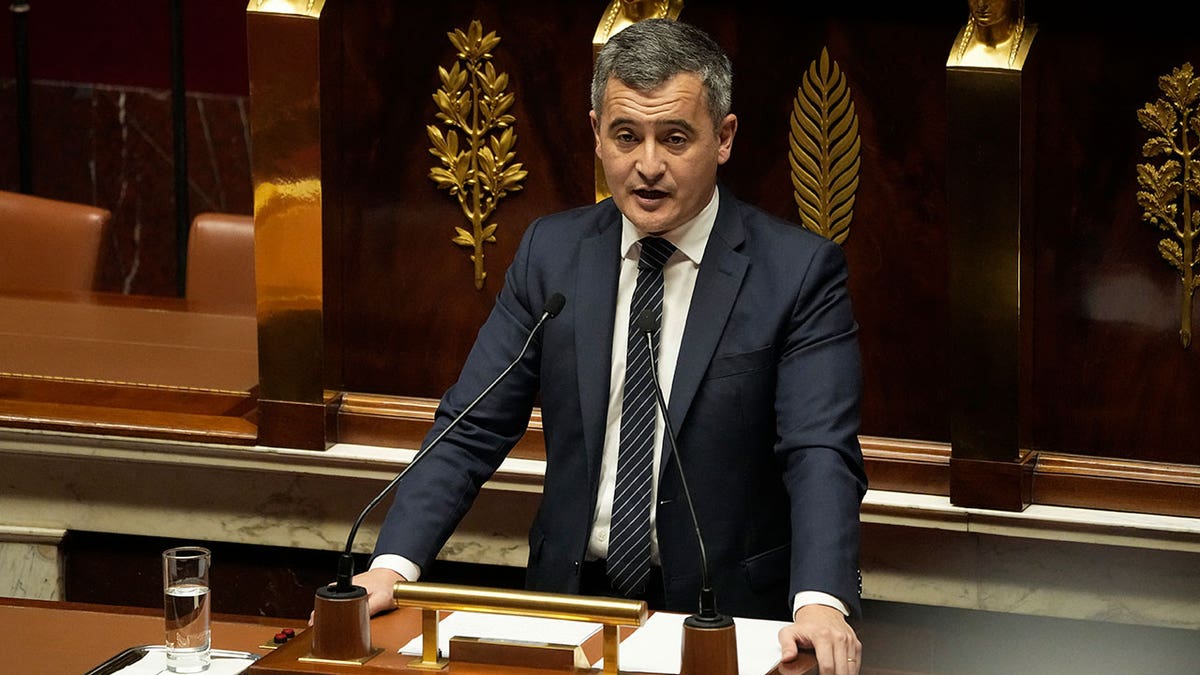
The ministry is demanding a complete inventory of all ongoing complaints where investigations have stalled or where suspects have not yet been questioned. Darmanin stated the goal is to determine if the Lyhanna case was an isolated failure or a symptom of wider structural problems within the French judiciary.
How is the French state facing legal accountability?
The government is facing direct legal challenges from victims’ families. Lawyer Pierre Debuisson told the broadcaster Rtl that the mother of another minor previously raped by Jerome Barella is suing the French state for “gross negligence.”
Debuisson explained that the legal strategy involves two parallel tracks: a civil action against the state for negligence and a criminal initiative regarding the management of the case file. The lawsuit alleges the justice system handled previous reports of Barella’s crimes with “unjustified slowness.” This legal pressure coincides with the recent arrest of Barella’s brother, who also faces rape accusations.
What are the conflicting views within the French Cabinet?
While the government is presenting a united front on the new legislation, there is a clear contrast in how officials view the failure. Justice Minister Gerald Darmanin has publicly acknowledged “serious failures” within the judicial system. Despite this admission, he stated he will not resign his position.
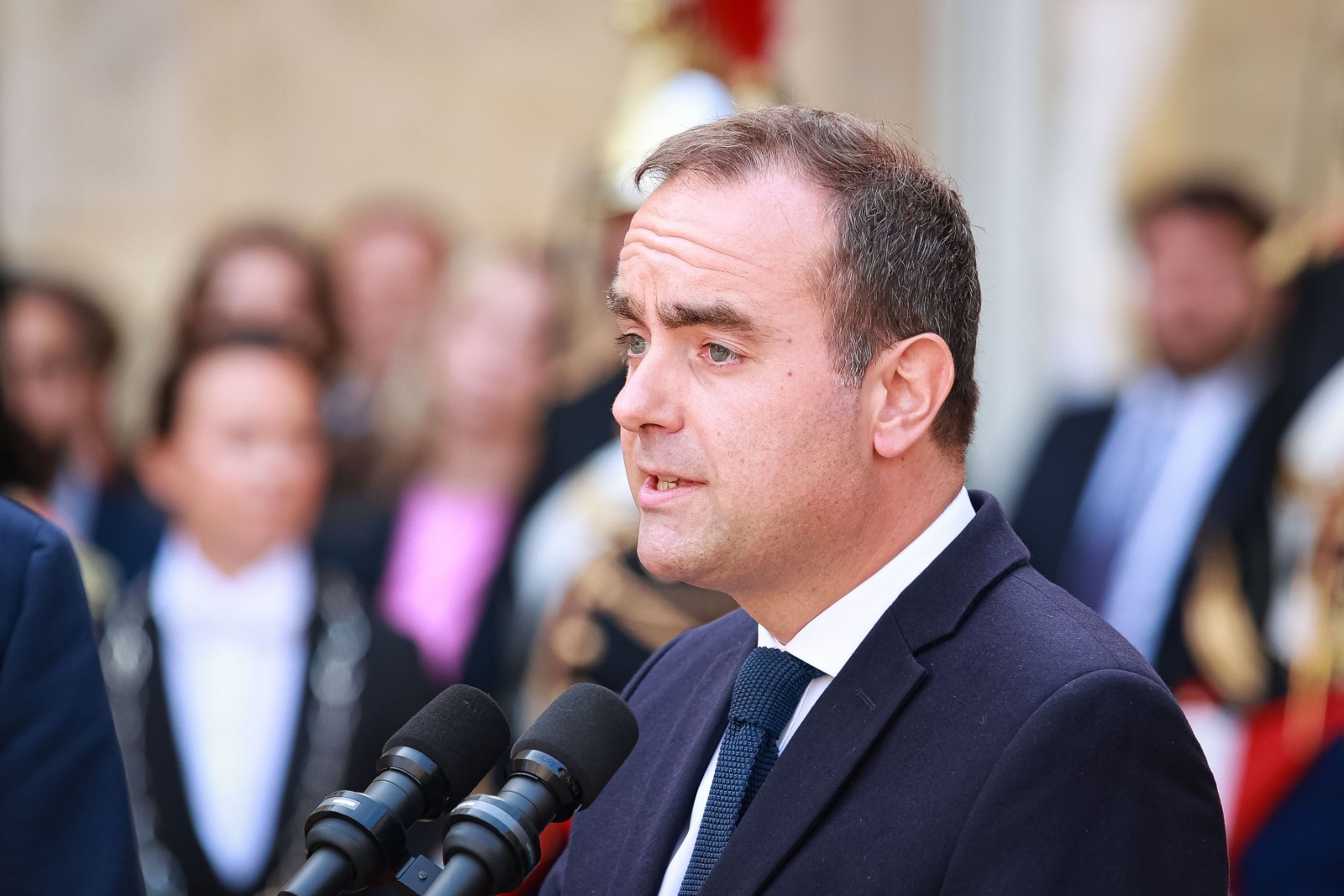
In contrast, Interior Minister Laurent Nunez has defended the operational side of the crisis. Nunez maintains that the police and gendarmerie have managed cases of sexual violence against minors correctly, shifting the focus of failure away from law enforcement and toward the courts.
Timeline of Legislative Action
- Current Phase: Review of 70,000 case files.
- July 14: Deadline for the complete inventory of stalled investigations.
- July: The French Parliament will examine a broader child protection bill, which was first presented to the Council of Ministers ten days ago.
Frequently Asked Questions
What is the new proposed penalty for serial rapists in France?
Prime Minister Sebastien Lecornu has proposed life imprisonment, replacing the current maximum of 20 years.
How many cases are being reviewed by the Justice Ministry?
Minister Gerald Darmanin ordered the review of approximately 70,000 files involving crimes against minors.
What is the new deadline for child crime investigations?
The government has established a maximum window of three months for these investigations to be conducted.
For more updates on European legal reforms and child protection laws, explore our Legal Analysis Archive or read our deep dive into EU Human Rights Standards.