
France to Make Rioters Pay for Public Property Damages
Prime Minister Sébastien Lecornu announced a bill to be presented to the Council of Ministers in July that would require individuals who commit acts of vandalism in public spaces to pay for repairs directly. The initiative follows widespread urban violence in Paris and other areas triggered by PSG’s Champions League victory for the second consecutive year, according to the Prime Minister.
Why is the French government targeting vandals’ finances?
The government aims to stop taxpayers from funding the repairs of public destruction. Sébastien Lecornu stated on X that public finances are “strongly degraded” and that every euro of public money must be used responsibly.
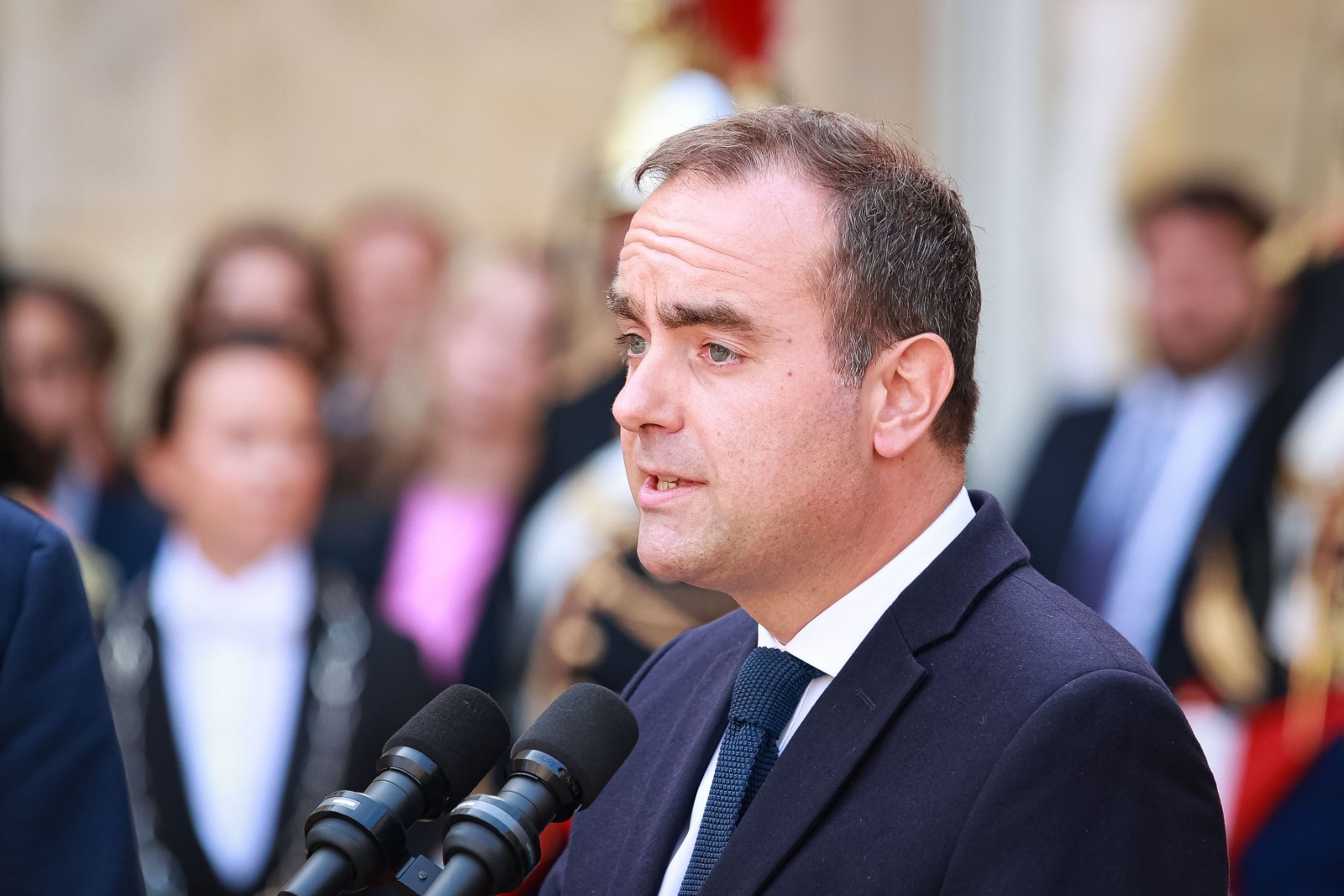
Lecornu argued it is no longer acceptable for the community to bear the costs of destruction caused by a small number of people. He asserted that taxpayers should not pay for those who destroy.
How will the new repayment system work?
The proposed law seeks to make authors “directly assume the cost of degradations committed in public space,” according to Lecornu. Under the plan, any person taking part in a violent crowd during which damage is committed could be held civilly liable for repairs.
Lecornu specified that these contributions may be adapted to an individual’s financial capacity. This could include modest payments spread over time or the solicitation of social benefits.
What happens next for the legislation?
The project is scheduled for presentation in the Council of Ministers this July. The Prime Minister stated that the remainder of the term will be dedicated to the service of French citizens.
If implemented, the repayment system could serve an educational purpose. Lecornu noted that even small monthly payments over a long period may remind individuals that every act of destruction involves responsibility and must be repaired.
Frequently Asked Questions
When will the bill be presented?
The Prime Minister announced the project will be presented in the Council of Ministers in July.
Who could be held financially responsible under the new law?
Any person taking part in a violent crowd where degradations are committed may be required to contribute civilly to the repairs.
How will the government handle people who cannot afford the repairs?
Contributions may be adapted to financial capacities through modest payments spread over time, and social benefits may also be used.
Should individuals participating in violent crowds be held financially responsible for collective damage?