
France’s School Monitor Abuse Scandal: Rape, Violence, and Systemic Failures Exposed
France’s Child Abuse Scandal: How a Systemic Crisis is Exposing the Dark Side of School Monitors
A wave of investigations into school monitors in France has revealed a disturbing pattern of abuse, neglect, and systemic failure—raising urgent questions about child protection, institutional accountability, and the future of early education. With allegations spanning rape, physical violence, and emotional trauma, this scandal is forcing a reckoning on how societies safeguard their most vulnerable. Here’s what’s at stake and where this crisis could lead.

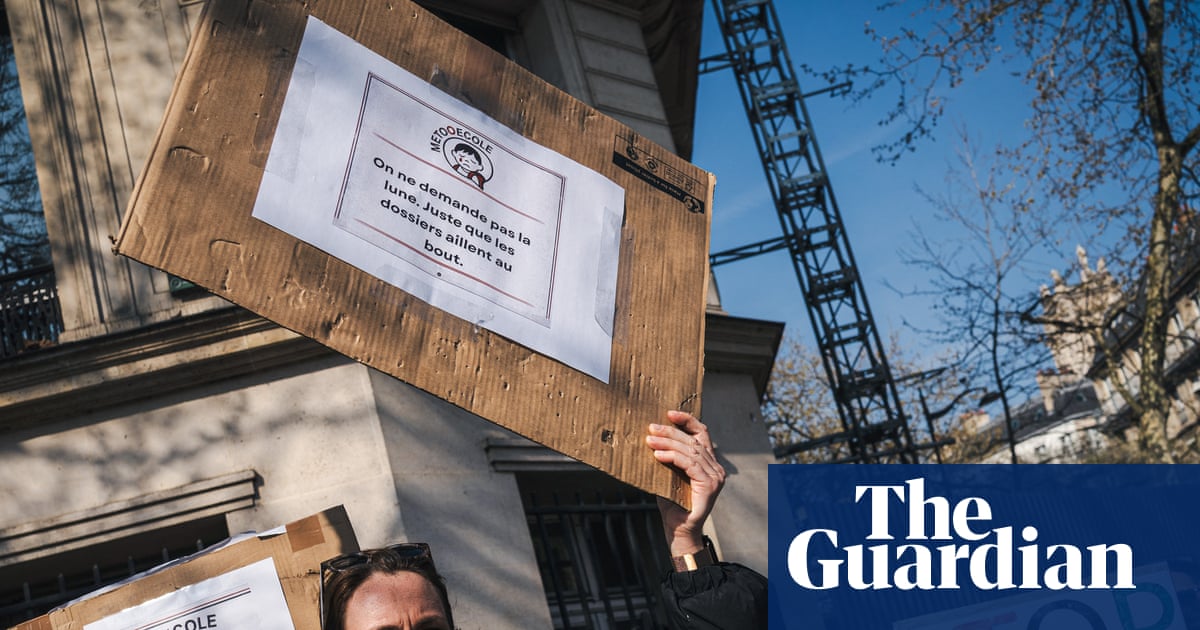
— ### The Scale of the Crisis: A Nationwide Wake-Up Call France is grappling with one of its most severe child protection scandals in decades, with over 100 schools and nurseries under investigation—including 84 preschools, 20 primary schools, and 10 daycare centers in Paris alone. Prosecutors confirm that non-teaching staff, often hired on short-term contracts without rigorous vetting, are at the center of the allegations. Key statistics reveal the depth of the problem: – 5 people have already been summoned to court, with 16 detained in recent raids. – 78 monitors were suspended in the first four months of 2026, including 31 suspected of sexual abuse. – Children as young as three and four are among the victims, with reports of rape, forced feeding, hair-pulling, and psychological torment. *”What we have is not just a few isolated incidents—it’s a systemic failure,”* says Florian Lastelle, a lawyer representing families affected by the abuse. *”The state school system, once a source of national pride, has become a place where children are not safe.”* — ### Who Are School Monitors—and Why Are They a Blind Spot? School monitors (*agents périscolaires*) are non-teaching staff responsible for supervising children during lunch breaks, naps, and after-school activities. Unlike teachers, they are not directly employed by the education ministry but are hired by local city halls or municipalities—often with minimal training, no criminal record checks, and flexible, hourly contracts. Why does this matter? – Lack of oversight: Many monitors operate with little to no supervision, spending more unstructured time with children than teachers. – Casual hiring practices: With mandatory nursery school starting at age three, France relies heavily on monitors—but no standardized vetting process exists. – A culture of silence: Parents and teachers report that complaints were dismissed for years, with allegations framed as “isolated incidents” rather than a pattern. *”It’s daily torture for parents,”* says Louis Cailliez, whose clients include a three-year-old girl allegedly raped by a monitor and a three-year-old boy who refused to enter school after witnessing violence. *”The system failed these children—and it’s failing others still.”* — ### The Human Cost: Trauma, Fear, and Broken Trust The emotional toll on victims and families is devastating. Take the case of Élodie, a mother whose five-year-old son was sexually assaulted by a monitor during nap time. She describes her child’s nightmares, bedwetting, and refusal to speak for months. *”We trusted the system,”* Élodie says. *”Now, every time I drop him off at school, I wonder: Is he safe today?”* Other real-life examples include: – A four-year-old boy who was locked in a storage room by a monitor and left for hours. – A six-year-old girl who was forcibly fed until she vomited as punishment. – A monitor accused of raping nine 10-year-old girls in a single case—now awaiting trial. *”Parents are outraged,”* says Barka Zerouali, co-founder of #MeTooEcole, a collective fighting for accountability. *”We’ve been screaming for years that something was wrong. Now, the world is listening.”* — ### Systemic Failures: How Did This Happen? Experts point to three critical failures that enabled this crisis: 1. Weak Recruitment Standards – Monitors are often hired without background checks, despite working with vulnerable children. – No mandatory training exists for handling trauma, conflict resolution, or child safety. 2. Administrative Dysfunction – Paris Mayor Emmanuel Grégoire admitted that officials treated abuse cases as isolated incidents rather than a systemic risk. – Parents report never receiving photos or names of monitors assigned to their children’s classes. 3. A Culture of Impunity – Abusers were moved between schools after complaints, rather than facing consequences. – Teachers and staff feared retaliation for reporting misconduct. *”This was a collective mistake,”* Grégoire told Le Monde. *”We failed to see the forest for the trees.”* — ### The €20 Million Reform Plan: Too Little, Too Late? In response, Paris has launched a €20 million ($21.5M) reform package, including: ✅ Stricter vetting for all monitors (background checks, psychological evaluations). ✅ Mandatory training on child protection and trauma awareness. ✅ A citizens’ assembly to redefine the role of monitors (reporting in June 2026). ✅ 24/7 hotlines for parents to report abuse. But will it be enough? Critics argue that without national legislation, Paris’s reforms may only address local issues. *”This is a national catastrophe,”* warns Cailliez. *”If it’s not fixed at the highest level, it will keep happening.”* — ### Global Ripples: Could This Happen Anywhere? France’s scandal is not an isolated case. Similar issues have emerged in: – The UK, where Ofsted reports found failures in safeguarding in early years settings. – The US, with multiple states grappling with teacher and staff abuse in schools. – Australia, where royal commissions have exposed institutional child protection failures. Did you know? – In 2022, the UN reported that 1 in 5 children worldwide experience physical or sexual violence. – A **2023 study in *The Lancet* found that childhood abuse increases the risk of mental health disorders by 50%**. *”No country is immune,”* says Dr. Sophie Lambert, a child psychologist. *”The question is: How do we prevent the next scandal?”* — ### What Can Parents Do? How to Protect Your Child If you’re a parent concerned about school safety, take these steps: ✔ Demand transparency – Ask for names, photos, and criminal records of all staff interacting with your child. ✔ Trust your instincts – If your child seems anxious, withdrawn, or makes unusual disclosures, report it immediately. ✔ Know the red flags – Excessive secrecy, favoritism toward certain children, or reluctance to let parents observe can signal trouble. ✔ Advocate for change – Join parents’ groups (like #MeTooEcole or SOS Périscolaire) to push for systemic reforms. Pro Tip: *”Keep a record of all interactions with school staff,”* advises Anne, co-founder of SOS Périscolaire. *”If something feels wrong, document it—you may need it later.”* — ### The Road Ahead: Justice, Reform, and Prevention With trials underway and more investigations pending, France stands at a crossroads. Will this be a turning point—or another forgotten scandal? Three possible futures: 1. A Model for Reform – If France overhauls vetting, training, and oversight, it could set a global standard for child protection in schools. 2. Half-Measures – If reforms are superficial or poorly enforced, abuse could continue under the radar. 3. A National Movement – If parents and activists sustain pressure, this could spark wider systemic change across Europe. *”This is our chance to fix what’s broken,”* says Grégoire. *”But we must act now—before another child is hurt.”* — ### FAQ: Your Questions Answered Q: Are school monitors common outside France? A: Yes—similar roles exist in the UK (TA teachers), the US (paraeducators), and Australia (education aides). However, France’s scandal highlights gaps in vetting worldwide. Q: What should I do if I suspect abuse at my child’s school? A: Report it immediately to: – Your school’s headteacher – Local child protection services (in France, 119 for child abuse hotlines) – Police if you suspect criminal activity Q: Will stricter laws prevent abuse? A: Partially. Laws are a first step, but cultural change—like mandatory reporting by teachers and better mental health support for children—is also critical. Q: How can I support victims of child abuse? A: Donate to organizations like: – France: [Enfance en Danger](https://www.enfanceindanger.org/) – UK: [NSPCC](https://www.nspcc.org.uk/) – US: [RAINN](https://www.rainn.org/) Q: Is my child safe in school? A: Most schools are safe, but no system is perfect. Stay informed, ask questions, and trust your instincts if something feels off. — ### Take Action: How You Can Help ✅ Share this article to raise awareness. ✅ Support parents’ groups fighting for reform. ✅ Demand better safeguarding in your own community—write to local officials today. ✅ Subscribe to our newsletter for updates on child protection reforms worldwide. Your voice matters. The next generation is counting on us to speak up, demand change, and ensure no child is left unprotected. —
🔍 Explore More: 📌 [How France’s School Abuse Scandal Compares to Global Cases](link-to-article) 📌 [5 Red Flags Parents Should Watch For in School Staff](link-to-article) 📌 [Interview: A Psychologist Explains the Long-Term Effects of Childhood Abuse](link-to-article)