
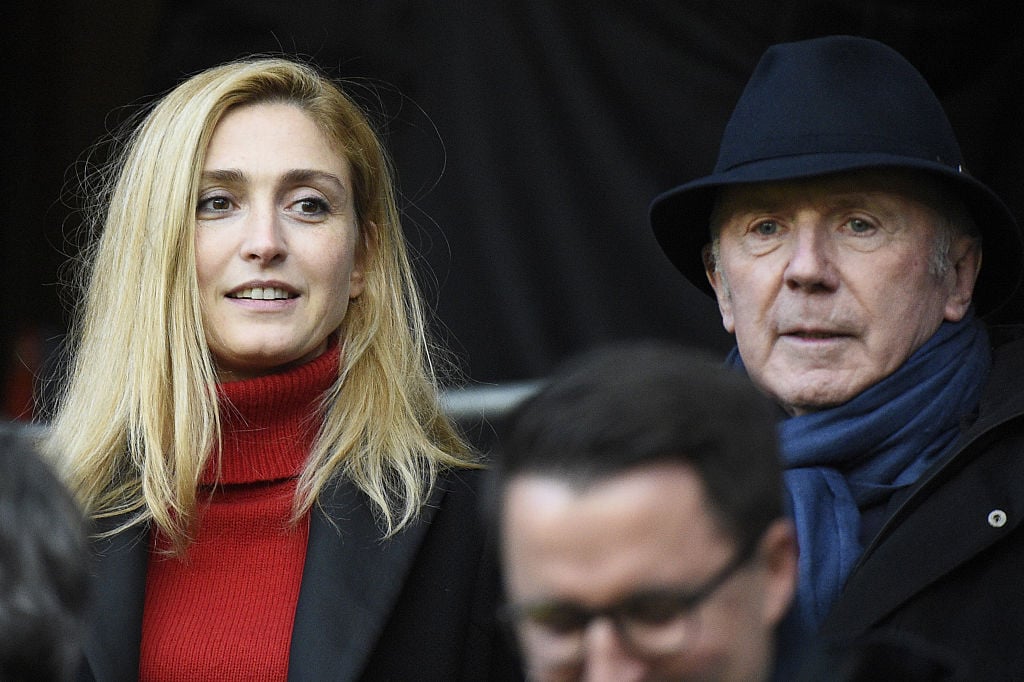
François Pinault: The Rise of a Global Luxury and Art Empire
The New Blueprint of Wealth: Beyond the Luxury Logo
For decades, the playbook for building a global empire was simple: acquire a heritage brand, scale it through aggressive marketing, and lean into the prestige of the “logo.” But as the story of François Pinault and the Kering empire demonstrates, the landscape is shifting. The era of mindless expansion is giving way to a more sophisticated game of cultural curation.
We are witnessing a transition from “luxury as a product” to “luxury as an ecosystem.” We see no longer enough to own the handbag; the modern tycoon wants to own the gallery where the art is displayed, the agency that manages the celebrity wearing the bag, and the vineyard that produces the wine served at the after-party.
Smart investors are moving away from single-sector dominance. By blending high-volatility assets (like fashion) with stable, “passion” assets (like fine art and vineyards), family offices create a psychological and financial buffer against market crashes.
The Rise of ‘Quiet Luxury’ and the Death of Logomania
The recent struggles of giants like Gucci highlight a pivotal trend: the pivot toward “Quiet Luxury.” The ultra-wealthy are increasingly eschewing loud branding in favor of stealth wealth—high-quality materials and impeccable tailoring that only those “in the know” can recognize.
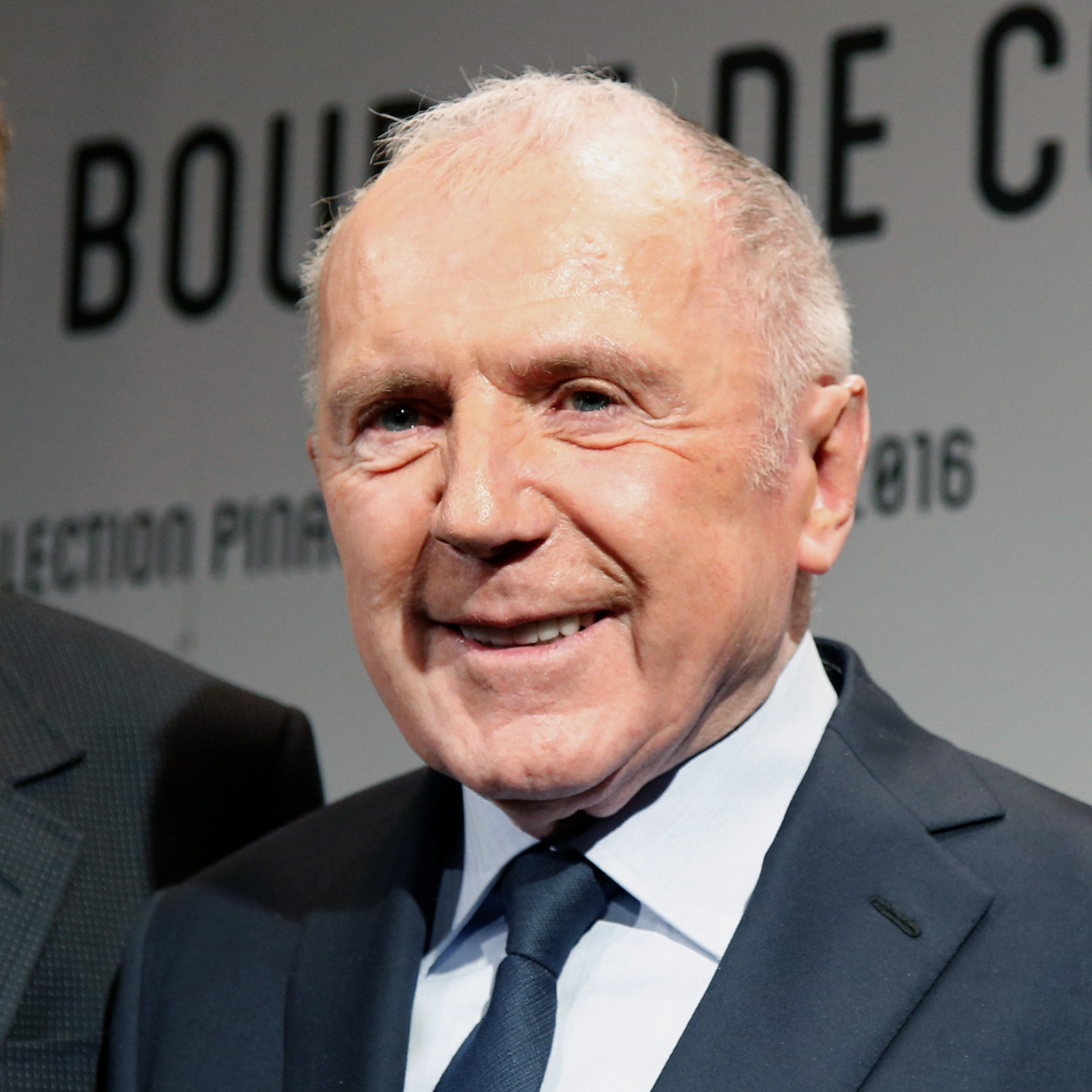
This shift isn’t just a fashion trend; it’s a socio-economic signal. In an era of heightened wealth scrutiny, the most powerful individuals are opting for discretion. For conglomerates like Kering, this means a fundamental redesign of their creative direction.
Future growth will likely depend on “hyper-exclusivity.” We can expect to see more invite-only collections and a move away from mass-market accessibility to protect brand equity.
Data Point: The Experience Economy
Recent market analysis suggests that Gen Z and Millennial high-net-worth individuals are spending more on experiences than on goods. This explains why the Pinault family’s investment in luxury cruise lines and sports teams is more than just a hobby—it’s a strategic move into the experience economy.
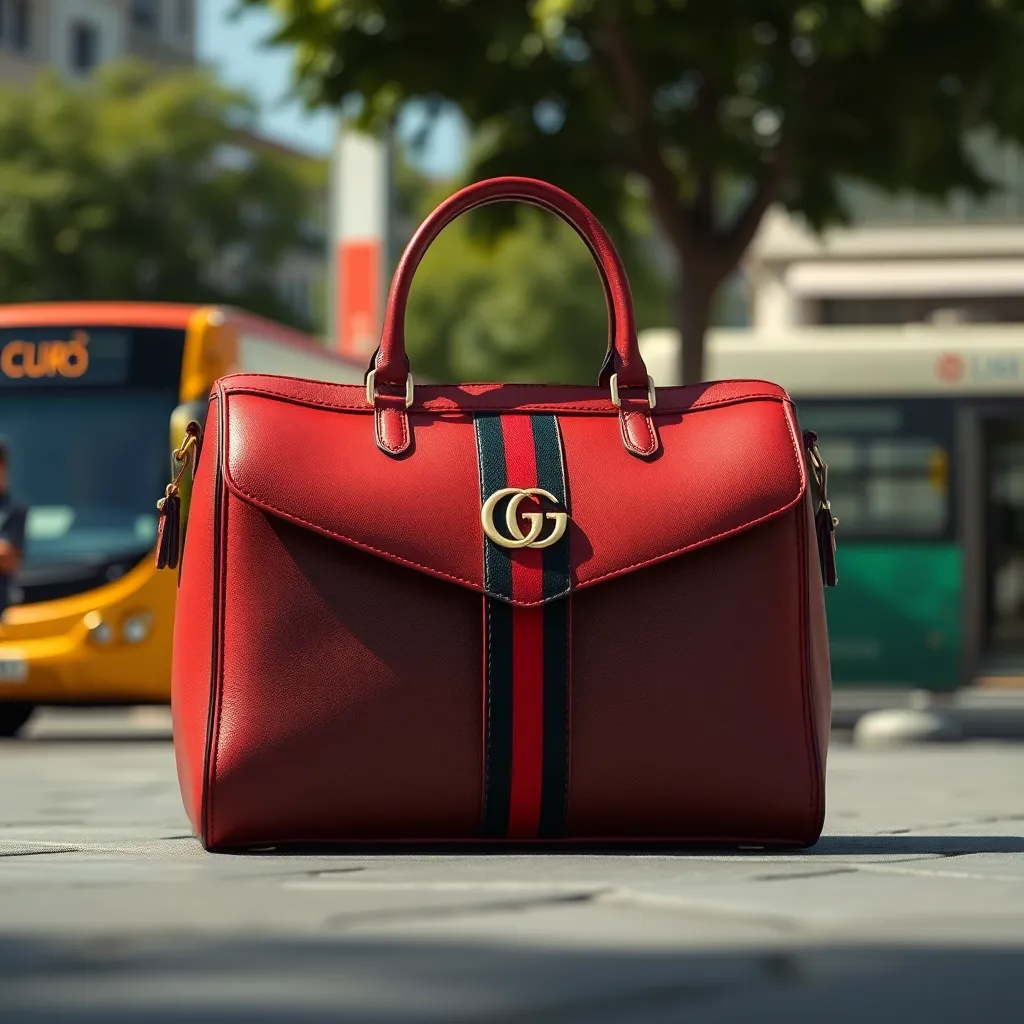
The ‘Cultural Ecosystem’ Strategy: Controlling the Narrative
The acquisition of the Creative Artists Agency (CAA) by Artémis is a masterclass in modern strategic positioning. By owning a talent agency, a family doesn’t just buy a business; they buy access to the people who shape global taste.
This creates a closed loop of influence. When a luxury brand needs a face, the family owns the agency that provides the celebrity. When that celebrity needs a gallery to showcase their art, the family owns the museum. This “vertical integration of culture” is the new frontier of power.
From Bloodline to Boardroom: The Evolution of Family Dynasties
One of the most significant trends in family-controlled businesses is the professionalization of leadership. The appointment of outside CEOs—such as the transition seen at Kering—signals a realization that the skills required to build an empire are different from those required to manage one in a digital age.
We are seeing a rise in the “Hybrid Governance” model. In this setup, the family retains controlling shares and sets the long-term vision (the “soul” of the company), while professional executives handle the operational volatility and data-driven pivots.
This approach mitigates the “third-generation curse,” where the descendants of a founder lack the drive or skill to maintain the original momentum.
Art as the Ultimate Financial and Social Hedge
The transformation of private collections into public institutions, like the Bourse de Commerce in Paris, reflects a broader trend: the institutionalization of private wealth. Art is no longer just a passion project; it is a sophisticated asset class that offers tax advantages and immense “cultural capital.”
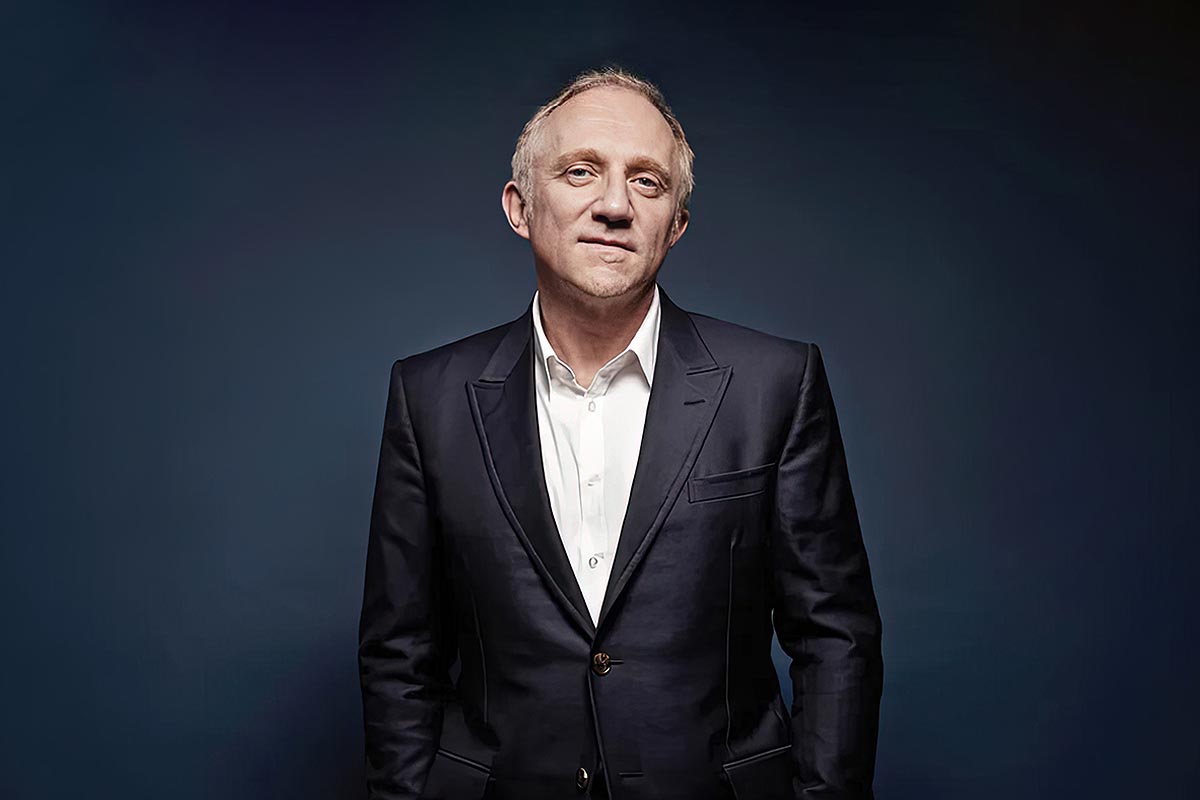
As traditional markets become more volatile, blue-chip art remains a remarkably stable store of value. By opening these collections to the public, billionaires transition from “owners” to “patrons,” securing a legacy that transcends their balance sheet.
FAQ: The Future of Luxury and Wealth Management
What is ‘Quiet Luxury’ and why does it matter?
Quiet luxury refers to high-end fashion that avoids obvious logos. It matters because it reflects a shift in consumer psychology toward discretion and quality over status-signaling.
Why are luxury groups diversifying into entertainment and sports?
To capture the ‘experience economy.’ By owning sports teams or talent agencies, they engage with customers in their daily lives, not just when they are shopping for a product.
How do family offices protect their wealth across generations?
Through diversification into ‘hard assets’ (real estate, art, vineyards) and by transitioning from family-led management to professional corporate governance.
What is the role of ‘cultural capital’ in business?
Cultural capital is the social prestige gained from knowledge of and access to the arts and high society. In luxury, this prestige is often more valuable than the physical product itself.
Join the Conversation on Global Wealth
Do you think the shift toward ‘Quiet Luxury’ is a permanent change or just a passing trend? How would you diversify a billion-dollar portfolio today?
Share your thoughts in the comments below or subscribe to our newsletter for deep dives into the world’s most influential dynasties.