

French Beef Exports Fall as South American Competition Surges in Italy
The global beef market is undergoing a seismic shift. As traditional trade routes face disruption and domestic production costs rise, European exporters—particularly France—are finding themselves squeezed out of their most reliable markets. The recent data from early 2026 confirms a trend that industry observers have feared: the dominance of South American beef in the European Union is no longer a distant threat, but a present reality.
The Changing Tide: Why France is Losing Ground in Italy
Italy has long been the primary destination for French beef, a symbiotic relationship built on proximity and culinary standards. However, the first quarter of 2026 saw a 13.1% decline in French exports to Italy, totaling roughly 11,500 tonnes. While some analysts point to a “correction” after a strong start in 2025, the underlying issue is more structural.
The fundamental challenge is a classic case of supply and price elasticity. French beef production has faced significant headwinds, leading to a tighter supply and higher price points. When European buyers, facing their own inflationary pressures, look for alternatives, they are increasingly turning to markets that offer higher volume and more competitive pricing.
In just one year, Brazil vaulted from the fifth-largest supplier of beef to Italy to the number one spot. This 83% surge in volume during the start of 2026 highlights how quickly global trade flows can pivot based on price competitiveness.
South American Dominance: The New Market Reality
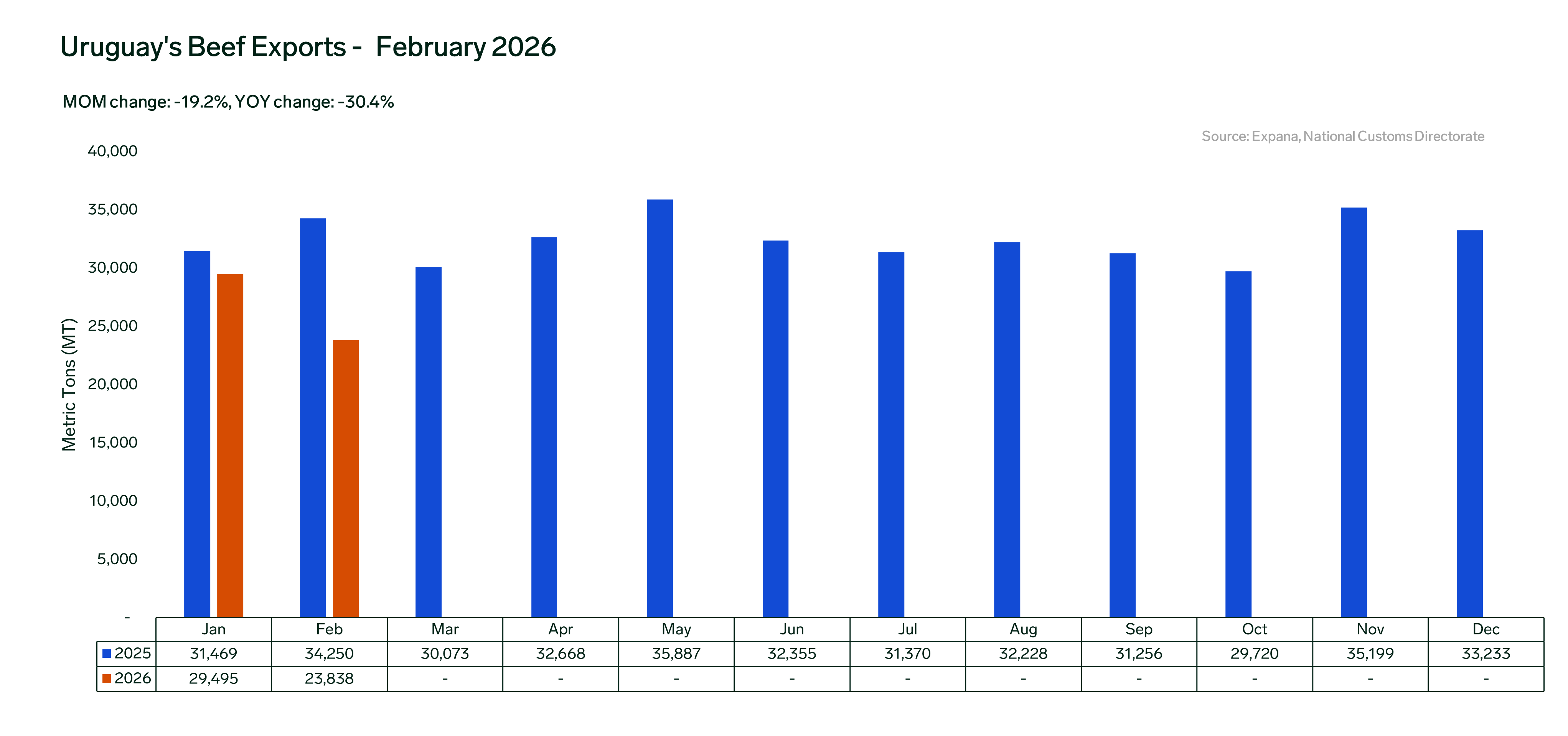
The rise of Brazil and Uruguay as leading suppliers to the EU is not merely a temporary fluctuation. It represents a broader shift in global trade dynamics. As the Food and Agriculture Organization (FAO) often highlights, emerging markets are increasingly capable of scaling production to meet international standards, even as they navigate complex export regulations.

While the EU continues to grapple with declining domestic beef consumption, the irony is that demand for imported product is rising. European processors are seeking cost-effective inputs to maintain margins, and South American producers are more than happy to fill the void left by high-cost European domestic suppliers.
Key Factors Reshaping the Trade Landscape:
- Price Sensitivity: European retail chains are under pressure to keep prices low, forcing them to source from lower-cost regions.
- Supply Scarcity: Environmental regulations and structural changes in European farming have constrained local production output.
- Trade Logistics: Improved cold-chain technology has made it easier than ever to ship quality chilled beef across oceans, neutralizing the “local” advantage.
To compete with high-volume imports, European producers must lean harder into “origin-based” marketing. Premium branding, sustainability certifications, and traceability are the only levers that justify a price premium over commodity-grade imports.
Looking Ahead: Is There a Path to Recovery?
For European exporters, the road ahead requires a pivot. Relying on volume alone is a losing battle against the scale of South American operations. Future success will likely be found in niche markets, high-welfare branding, and closer integration with local Italian artisanal butchers who prioritize quality over mass-market pricing.
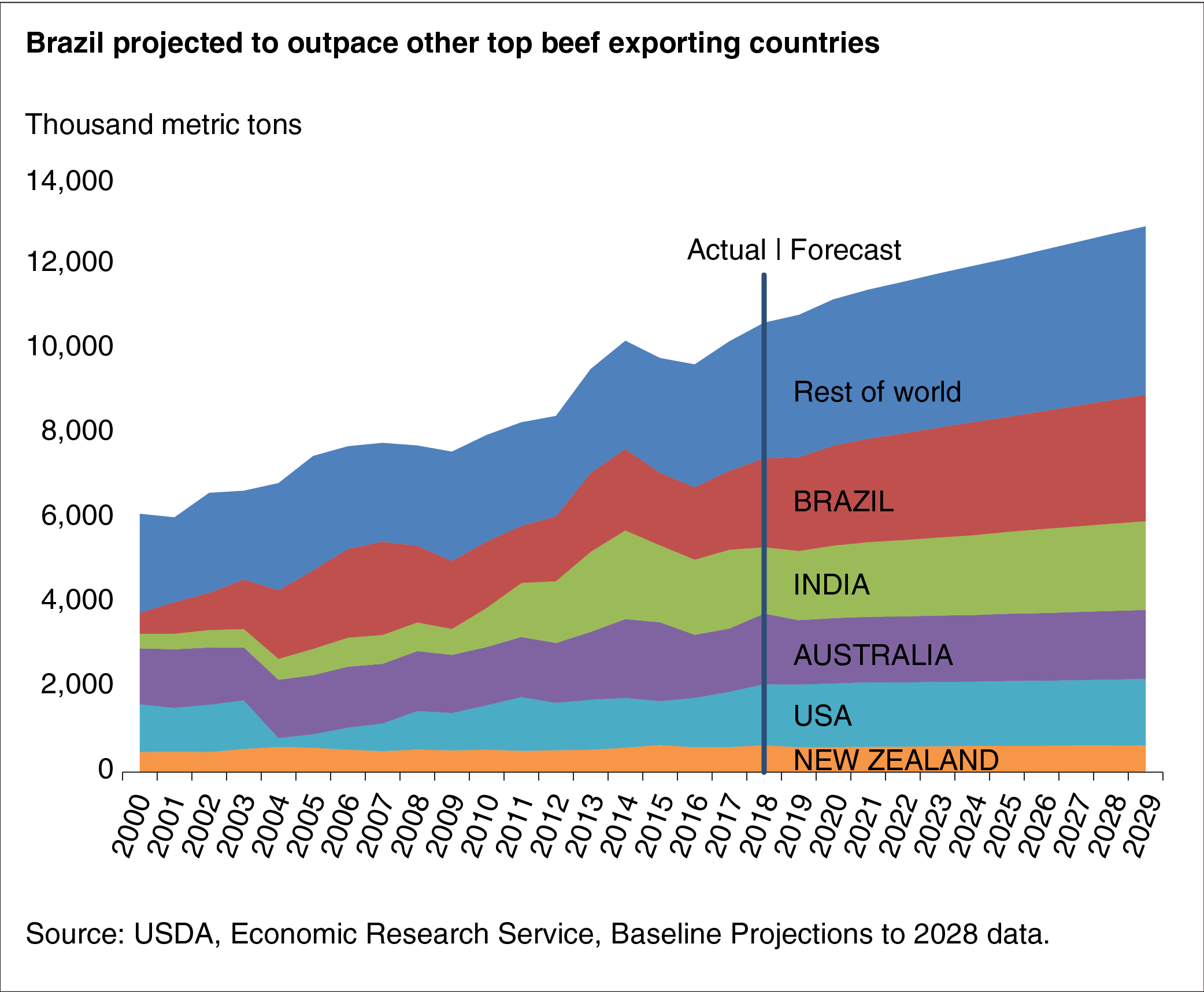
As we monitor these trends, one thing is clear: the global beef market is no longer regional. It is a hyper-competitive international arena where local producers must either innovate their value proposition or risk further erosion of their market share.
Frequently Asked Questions
- Why is French beef losing market share in Italy?
- Primarily due to higher production costs and a limited supply, which makes French beef more expensive compared to competitive imports from Brazil, and Uruguay.
- Are imports increasing in the EU despite lower consumption?
- Yes. While overall consumption is softening, the demand for imported, cost-effective beef remains high as retailers look to maintain price points for consumers.
- How can local producers compete with cheap imports?
- By focusing on premium quality, sustainability, local traceability, and building strong relationships with specialty retailers who value regional provenance.
What are your thoughts on this trade shift? Are you seeing changes in the availability or pricing of beef in your region? Share your insights in the comments below or subscribe to our industry newsletter for weekly updates on global agricultural trends.