
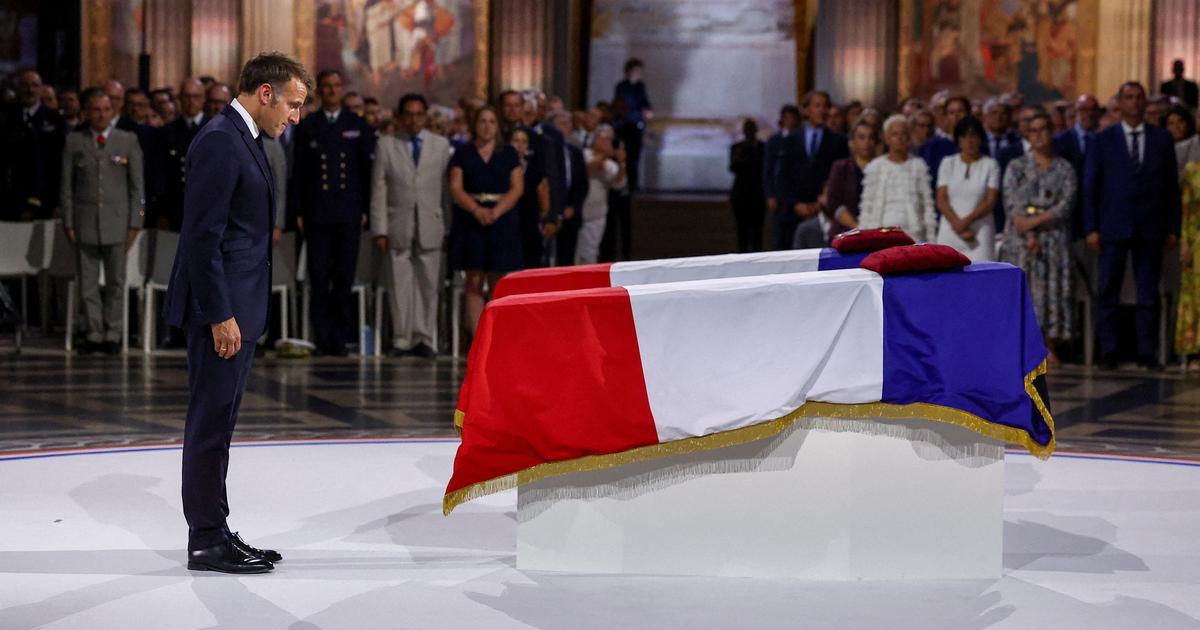
French President Warns Against Nationalist Claims of Identity
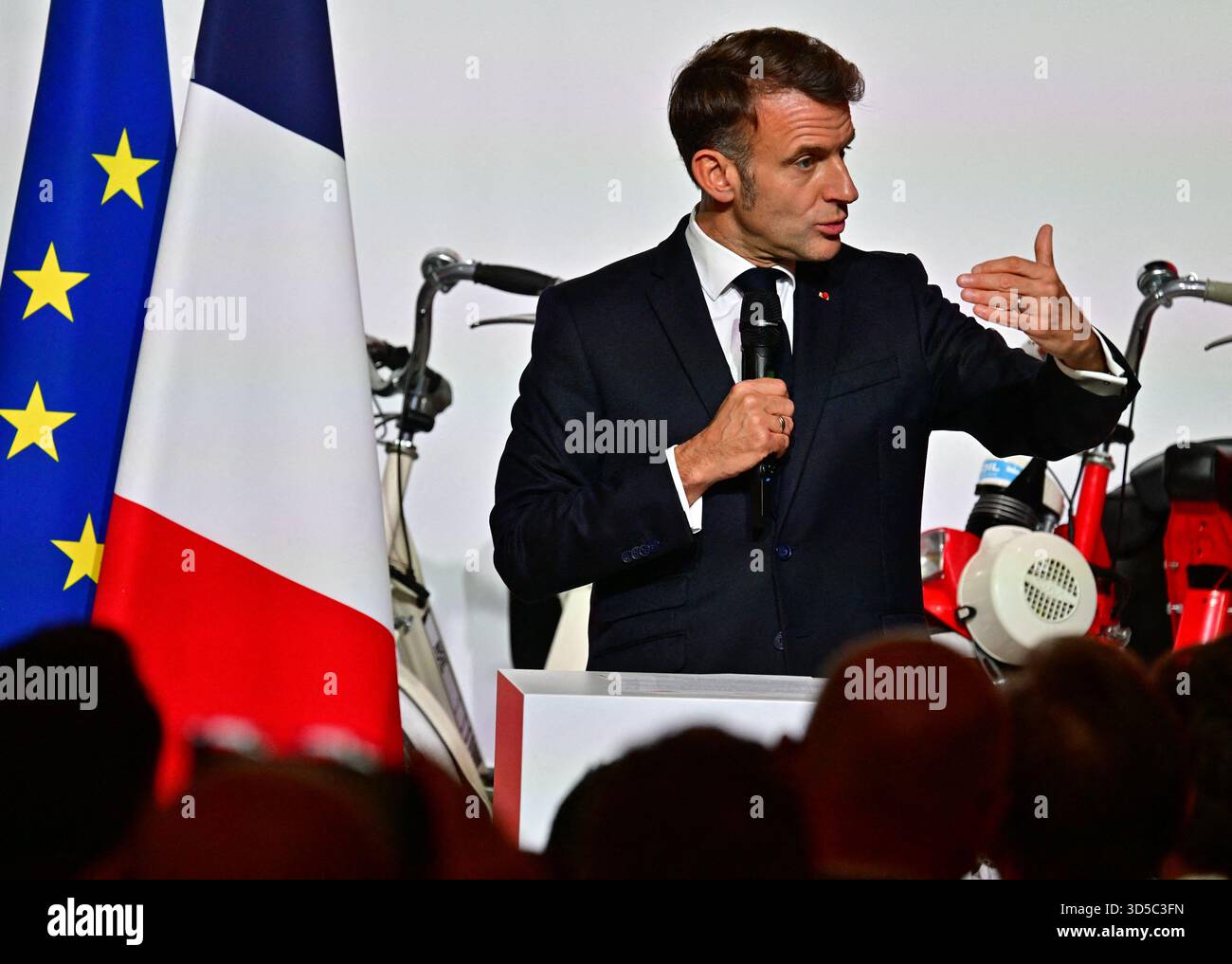
French President Emmanuel Macron warned against the rise of exclusionary nationalism during a tribute to a historian and resistance fighter, explicitly targeting political actors who claim to be “more French” than other citizens. According to the official address, Macron linked these modern identity claims to the political renunciations of the 1930s and 1940s, suggesting a recurring pattern of societal division based on perceived national purity.
Why is “identity purity” becoming a central political tool?
Political movements are increasingly using “identity purity” to marginalize opponents by framing them as outsiders or “fake” patriots. According to the rhetoric highlighted by President Macron, this tactic shifts the definition of citizenship from a legal status to a moral or cultural performance. It’s a move toward ethnic nationalism, where belonging is determined by ancestry or adherence to a specific ideological version of history rather than a passport.
This trend isn’t limited to France. Similar patterns appear in other Western democracies where “true” citizenship is weaponized against minority groups or political dissidents. By claiming a monopoly on patriotism, these groups attempt to delegitimize any critique of their policies as “anti-national.”
How do current political trends mirror the 1930s and 40s?
The parallel Macron drew focuses on the “renunciations” of the pre-WWII era, where citizens were forced to choose between state-mandated ideologies and their own conscience. Today, this manifests as a pressure to conform to specific cultural narratives to prove one’s loyalty to the nation. According to the French presidency’s framing, the danger lies in the creation of two tiers of citizenship: the “loyal” and the “suspect.”
Analysts of European politics note a shift in how history is used. Instead of a shared memory, history has become a battlefield. One side emphasizes the Republic’s universalist values, while the other emphasizes a traditionalist, exclusionary past. This contrast creates a volatile environment where political opponents aren’t just wrong—they’re viewed as alien to the national identity.
The shift from Civic to Ethnic Nationalism
Civic nationalism is based on shared political values and laws. Ethnic nationalism is based on shared heritage. The “more French than you” rhetoric signals a move away from the former. When a politician claims a superior version of nationality, they’re effectively arguing that the law isn’t enough to make someone a citizen; they must also possess the “correct” cultural markers.
What happens next for national identity in Europe?
Expect an increase in legislative battles over “memory laws.” These are laws that dictate how historical events are taught or commemorated. As seen in various EU member states, these laws often attempt to sanitize the past to fit a specific nationalistic narrative, mirroring the ideological controls of the mid-20th century.
We’ll likely see a deeper divide in how “patriotism” is defined. On one side, it’ll be framed as an inclusive love for the country’s ideals. On the other, it’ll be framed as a defense of the country against “internal enemies.” This polarization makes compromise difficult because the debate isn’t about policy—it’s about who has the right to exist within the national community.
Comparing French Identity Debates to Global Trends
The tension Macron described isn’t unique to the French Republic. A comparison shows similar trajectories in other regions:
| Region | Core Identity Conflict | Rhetorical Strategy |
|---|---|---|
| France | Universalism vs. Traditionalism | “More French than you” |
| USA | Constitutionalism vs. Culturalism | “True Americans” / “Deplorables” |
| India | Secularism vs. Hindutva | Defining “Indigenous” status |
Frequently Asked Questions
What did Macron mean by “more French than you”?
He referred to political rhetoric that suggests some citizens are more legitimate or patriotic than others based on ideology or heritage, rather than legal citizenship.
Why mention the 1930s and 40s?
This period saw the rise of fascism and the Vichy regime in France, which used similar exclusionary tactics to strip citizens of their rights based on their identity or political beliefs.
Is this a new trend in politics?
No. The conflict between inclusive (civic) and exclusive (ethnic) nationalism is a long-standing historical tension that tends to resurface during times of economic or social instability.
Do you think national identity should be based on shared values or shared heritage? Let us know in the comments below or subscribe to our newsletter for more deep dives into global political trends.