

From crisis to $900K: Twin Cities mental health clubhouses get a lifeline
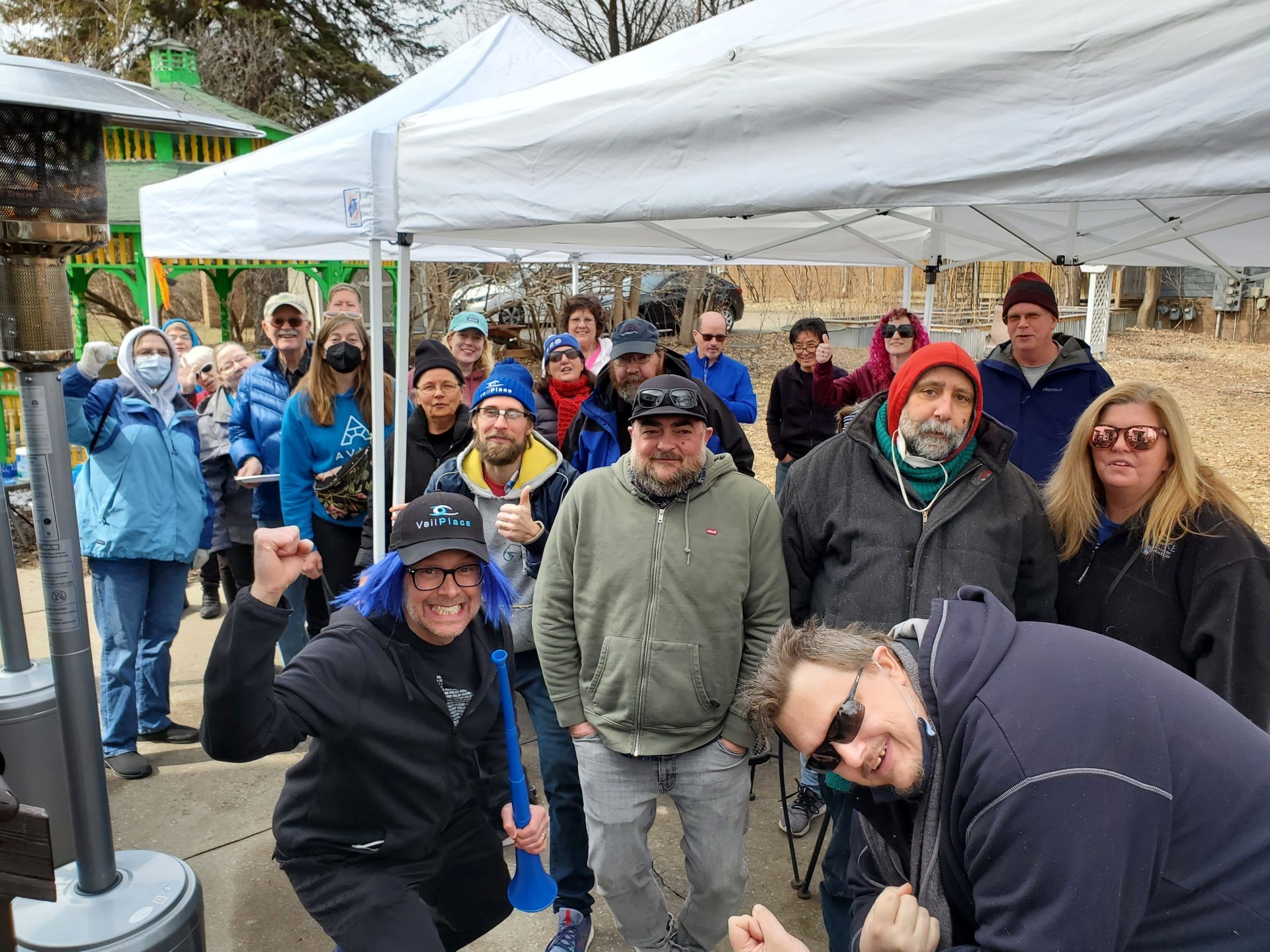
Vail Communities, an organization providing critical mental health support through its Minneapolis and St. Paul clubhouses, has secured a financial reprieve that will keep its doors open through the end of 2026. The nonprofit, which supports 500-600 active members dealing with serious and persistent mental illness, faced an existential threat in March when a letter from the Minnesota Department of Human Services (DHS) indicated that contract funding would not be extended.
The sudden reversal follows a period of intense uncertainty for both staff and members. Sara Sprenger, a member of the clubhouse, noted that staff had been preparing for potential job losses as the community faced the prospect of the facilities closing this month. “And then all of a sudden, it just got restored with a little money. A lot of money, actually,” said Sprenger.
A Combined Financial Lifeline
The stabilization of the nonprofit’s budget was achieved through two distinct sources. The DHS secured $400,000 in “bridge funding” sourced from Mental Health Block Grant funds to ensure operations continue through the end of the year. A private benefactor named Corey Sauer donated $500,000 after learning of the potential closure through news reports. Ashley Trepp, president and executive director of Vail Communities, described the donation as “really surreal and almost too good to be true.”
According to Trepp, the combined $900,000 in funding will cover the organization’s budget—including programming, meals and staff—until next summer. While the immediate crisis has been averted, Trepp emphasized that the organization is already looking toward long-term sustainability. “I wish we hadn’t had to get to the crisis point to be able to have that good news,” Trepp said. “If anything, it really rallied us around our mission and really validated the fact that our, as I said, our mission matters.”
What Happens Next
The DHS has stated that it plans to open a request for proposal (RFP) process in June for clubhouse-type programming. The agency intends for this new contract to begin on or near January 1, 2027. Vail Communities has indicated that it plans to apply for this funding once the RFP is posted.
As the organization works toward a more permanent solution, It’s also exploring other potential funding options to ensure its future. The coming months will be pivotal as the nonprofit navigates the competitive grant process to maintain the services currently relied upon by hundreds of adults in the Twin Cities area.
Frequently Asked Questions
How long will the current funding keep the clubhouses open?
The combined $900,000 in state and private funding is expected to cover the budget for the Minneapolis and St. Paul hubs until next summer.
What is the source of the state-provided bridge funding?
The $400,000 in bridge funding was provided by the Minnesota Department of Human Services through Mental Health Block Grant funding.
What is the next step for Vail Communities regarding state contracts?
The nonprofit plans to apply for a new contract through a request for proposal (RFP) process that the Minnesota Department of Human Services expects to open in June.
How do you believe community-based organizations can best balance their reliance on state contracts with the need for long-term financial stability?