
From Reserves to Markets: How China Recycles Its Trade Surplus
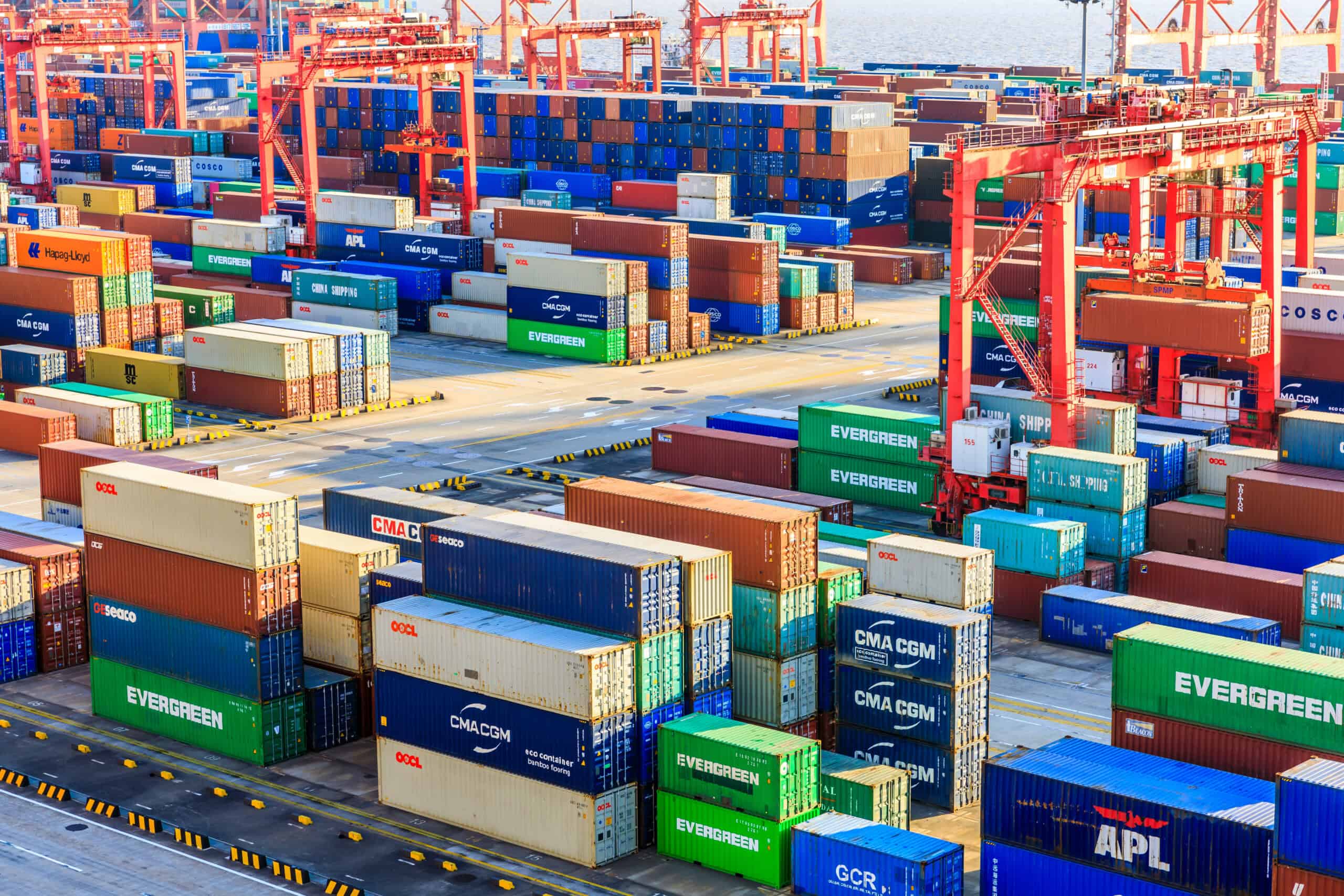
China is recycling its record $1.2 trillion merchandise-trade surplus through private portfolio investments and Hong Kong’s capital markets rather than official state reserves, according to Miao Yanliang, Senior Managing Director at China International Capital Corporation (CICC). This shift marks a transition from state-managed reserve accumulation to market-driven capital outflows.
Why is China’s trade surplus moving away from official reserves?
The People’s Bank of China (PBOC) no longer absorbs the bulk of trade surpluses to buy U.S. Treasuries as it did in previous decades. According to CICC data, the private sector now leads the recycling process. Investors aren’t acting out of fear of currency depreciation, but are instead searching for higher yields in global bonds and equities.
This change follows the 2012 end of the Compulsory Foreign Exchange Settlement and Sales System. That old system forced domestic institutions to sell all foreign exchange income to state banks. Now, Chinese firms can keep their foreign earnings, breaking the direct link between trade surpluses and the growth of official foreign-exchange reserves.
Where is China’s surplus capital going?
Portfolio investment is the primary vehicle for these outflows. Net outflows through this channel reached $426 billion in 2025, according to BoP (Balance of Payments) data. Mainland investors added roughly $208 billion to overseas equity portfolios and $153 billion to foreign debt portfolios.

Hong Kong acts as the central hub for these moves. Southbound flows through the Stock Connect scheme hit HK$1.4 trillion ($178.6 billion) last year, a 74 percent increase. This flow closely aligns with the equity outflows recorded in China’s official BoP data.
Direct investment also plays a role. Chinese companies increased direct investment abroad by $140 billion last year, resulting in net outflows of $77 billion in 2025 as firms expand their physical footprints overseas.
How does current capital recycling differ from the 2000s?
The mechanism for handling excess capital has fundamentally changed. Between 2002 and 2011, the PBOC intervened aggressively, increasing foreign-exchange reserves by nearly $300 billion annually. These funds were primarily parked in sovereign assets like U.S. Treasuries.
Today’s model is market-based. A comparison of the two eras shows a shift in control and volatility:
| Feature | 2002–2011 Era | Current Era (2025) |
|---|---|---|
| Primary Driver | PBOC Official Intervention | Private Portfolio Investment |
| Main Asset Class | U.S. Treasuries/Sovereign Debt | Global Equities & Bonds |
| Key Channel | State Bank Reserves | Stock Connect / QDII |
What happens next for offshore renminbi markets?
The continued flow of capital into Hong Kong supports China’s strategic goal of developing offshore renminbi markets. By using Hong Kong as a constructive intermediary, China is deepening cross-border financial integration.

As the manufacturing sector remains competitive and generates larger surpluses, more capital will likely seek offshore assets. This makes the financial account more volatile than the old reserve-based system. Future flows will depend on market conditions rather than administrative directives from the PBOC.
Frequently Asked Questions
What is the difference between the merchandise surplus and the current-account surplus?
The merchandise surplus ($1.2 trillion) only counts goods. The current-account surplus ($735 billion) subtracts deficits in services (like tourism) and primary income (dividends paid to foreigners).
What is Stock Connect?
It is a financial link that allows investors in mainland China and Hong Kong to buy shares listed on each other’s exchanges.
Why does this shift matter for the U.S. economy?
In the past, China’s surplus directly funded U.S. government debt via Treasury purchases. Now, that capital is more fragmented, flowing into various global equities and bonds via private investors.
Want to stay updated on global capital shifts?
Join our newsletter for deep-dive analysis on emerging market trends or share your thoughts on China’s financial opening in the comments below.