

Frozen Pizza and Ultra-Processed Foods: How to Choose a Healthier Option
An independent analysis of 979 frozen pizzas found that 58% are classified as ultra-processed foods (UPFs), averaging 41 ingredients per product. According to the World Health Organization (WHO), diets high in these industrial formulations are linked to increased risks of obesity, type 2 diabetes, and cardiovascular diseases.
Why is frozen pizza classified as ultra-processed?
The NOVA classification system, developed by Brazilian researchers and adopted by the WHO, places these products in Group 4. This category consists of industrial formulations containing refined ingredients, additives, aromas, and stabilizers not typically found in home kitchens.
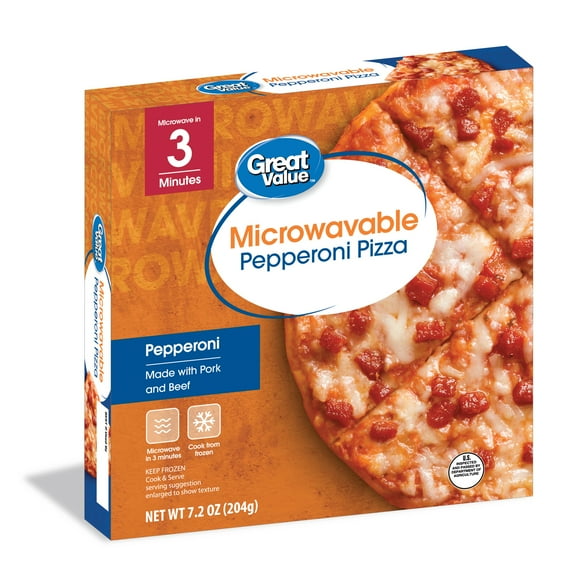
Manufacturers use these additives to ensure the pizza remains soft and “stretchy” after precooking, blast-freezing, and home reheating. According to the source, the industry employs dough improvers, modified starches in sauces, emulsifiers in “melted cheeses,” and nitrites or preservatives in cured meats.
How does frozen pizza differ from a traditional margherita?
A traditional margherita uses flour, water, yeast, salt, tomato, mozzarella, basil, and extra virgin olive oil. Frozen versions often replace these with margarine, unspecified vegetable oils, added wheat gluten, sugars, acidity regulators, and thickeners.
:quality(70)/cloudfront-us-east-1.images.arcpublishing.com/metroworldnews/EZADE4ACNZC3BIEHJ7YKPIEPSE.jpg "How does frozen pizza differ from a traditional margherita?")
The fat profiles differ significantly. While extra virgin olive oil provides monounsaturated fats and antioxidants, margarine and palm oil contain more saturated fats, which the source notes are not ideal for heart health. Additionally, cheaper seed oils may oxidize at high oven temperatures.
Toppings also vary in quality. In many frozen margherites, tomato content is approximately 10-15% and mozzarella is around 20%. These are often supplemented with “melted cheeses,” caseinates, modified starches, and citric acid to maintain texture after freezing.
What are the long-term health implications of UPFs?
The WHO associates diets rich in ultra-processed foods with higher rates of cardiovascular disease, type 2 diabetes, and obesity. International observational studies have found that individuals with high UPF consumption may face a mortality risk increase of approximately 25% compared to those who eat few UPFs.
The risk may increase when frozen pizzas are consumed alongside other UPFs, such as snacks, sweetened drinks, and ready-made meals.
How can consumers identify healthier frozen options?
Consumers can evaluate products using specific ingredient checklists. “Red flag” indicators include long ingredient lists, the presence of palm or colza oil, sugar or dextrose in the sauce, and terms like “cheese preparation” or “concentrated milk proteins.”
Conversely, “green flag” products contain few recognizable ingredients, use specified extra virgin olive oil, avoid added sugars in the sauce, and contain significant amounts of tomato and mozzarella without excessive technological aids.
Alternative strategies include using high-quality fresh bases and adding fresh toppings at home. Some consumers may also choose to par-bake homemade pizzas and freeze them to maintain control over the ingredients.
What may happen next for consumers?
As awareness of the NOVA classification grows, consumers could shift toward “clean label” frozen products with shorter ingredient lists. There may be a possible increase in the adoption of hybrid meal prep, where industrial bases are combined with fresh, whole-food toppings to reduce overall UPF intake.

Frequently Asked Questions
What is the NOVA classification?
Developed by Brazilian researchers and used by the WHO, it is a system that divides foods into four groups, with Group 4 consisting of ultra-processed industrial formulations.
Why is the fat in frozen pizza a concern?
Many frozen pizzas use margarine or palm oil, which are higher in saturated fats than the extra virgin olive oil used in traditional pizzas, potentially affecting heart health.
Does eating frozen pizza occasionally cause immediate health problems?
According to the source, eating a frozen pizza occasionally does not transform overall health; the impact depends on the frequency of consumption and the specific product chosen.
Do you check the ingredient list for additives before buying frozen meals?