
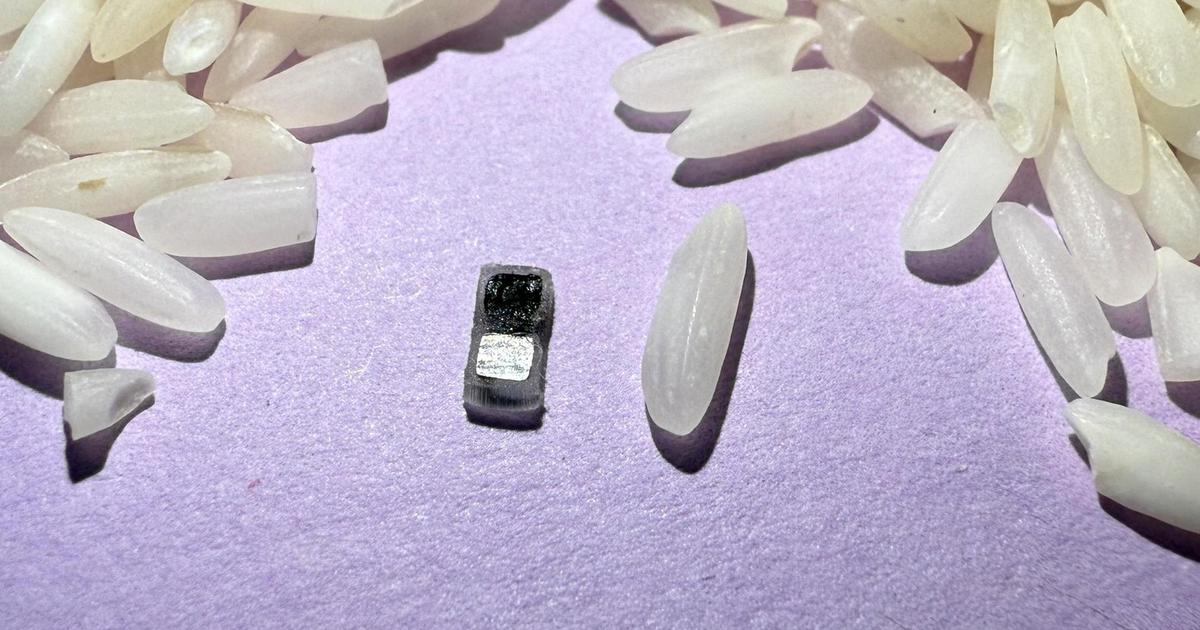
Future Pacemakers: The Evolution Towards Grain-Sized Technology
Cardiac pacemaker technology is evolving toward increasingly miniaturized devices, with future iterations potentially shrinking to the size of a grain of rice. While current medical devices are approximately the size of a capsule, researchers are working to reduce their footprint even further to improve patient safety and long-term outcomes.
The Evolution of Cardiac Stimulation
The history of the pacemaker began in 1958 with the first successful human implantation. These early devices were bulky, consisting of a large battery housing placed in the abdomen and connected to the heart via electrical leads, or probes.
Technological advancements eventually allowed for smaller devices to be positioned under the clavicle. These units continue to rely on leads to deliver the electrical impulses required to stimulate the heart muscle and regulate irregular rhythms, a function that has saved numerous lives.
Did You Know? The very first cardiac pacemaker, implanted in 1958, was so large that it required surgical placement in the patient’s abdomen rather than near the chest.
Addressing the Risks of Traditional Leads
Despite their life-saving utility, leads represent the primary vulnerability in traditional pacemaker design. These thin wires can break, become displaced, or trigger infections within the body.
Furthermore, the presence of leads can encourage the formation of blood clots, which may lead to venous thrombosis. These complications have driven cardiologists and researchers to prioritize the development of leadless systems to eliminate these specific risks.
Expert Insight: The transition toward leadless technology marks a shift in focus from mere functionality to the mitigation of mechanical failure. By removing the leads—the most frequent point of failure—the medical field is effectively attempting to eliminate the secondary risks of infection and thrombosis that have historically complicated long-term pacemaker therapy.
The Future of Leadless Technology
The first leadless pacemakers were tested in 2013, representing a significant shift in cardiological practice. These devices operate without the problematic wires of their predecessors, sitting directly within the heart.
As research continues, it is likely that developers will focus on further reducing the physical dimensions of these units. A possible next step in this field involves the creation of devices smaller than a grain of rice, which could minimize the invasiveness of the implantation procedure and reduce the impact on the cardiac environment.
Frequently Asked Questions
What was the main limitation of the first pacemakers?
The first pacemakers were large, bulky devices that had to be implanted in the abdomen and connected to the heart through long leads.
Why are researchers moving away from lead-based pacemakers?
Leads are considered the weak link in the technology because they can break, move, cause infections, or lead to the development of blood clots.
When did leadless pacemaker technology emerge?
The first leadless pacemakers were tested in 2013, marking a significant development in the field of cardiology.
How do you think the reduction in size of medical implants will change the experience for patients requiring heart rhythm management?