
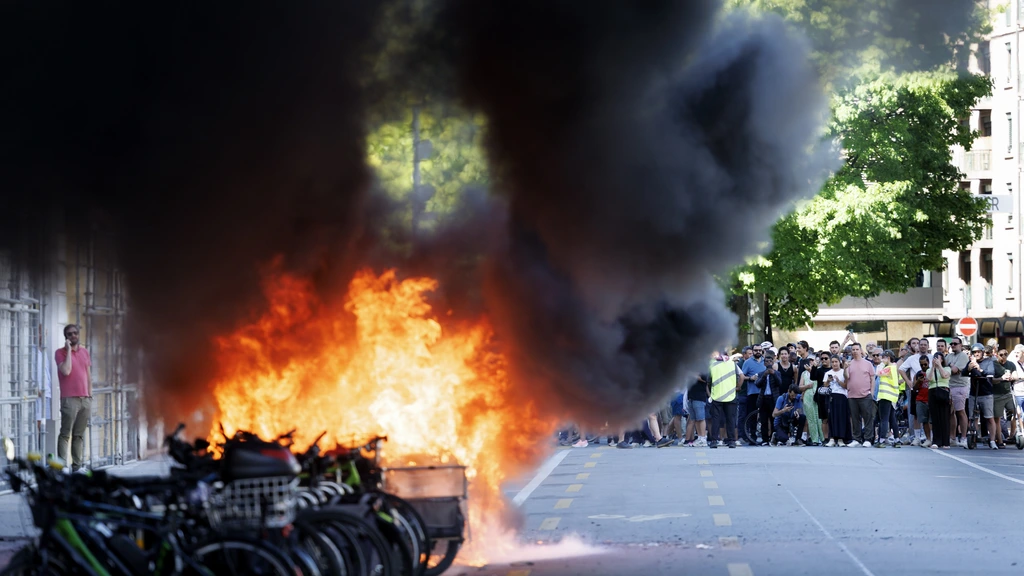
G7 Summit Protests Turn Violent in Geneva
Roughly 20,000 protesters gathered in Geneva, with the Swiss newspaper Le Temps estimating that 600 rioters caused significant damage to a Tesla vehicle, United Nations offices, and a PwC branch. The unrest occurred ahead of the G7 summit in Évian, where leaders from seven nations and the EU are discussing AI, Ukraine, and Middle East stability, according to NOS Nieuws.
Why did protests erupt in Geneva ahead of the G7 summit?
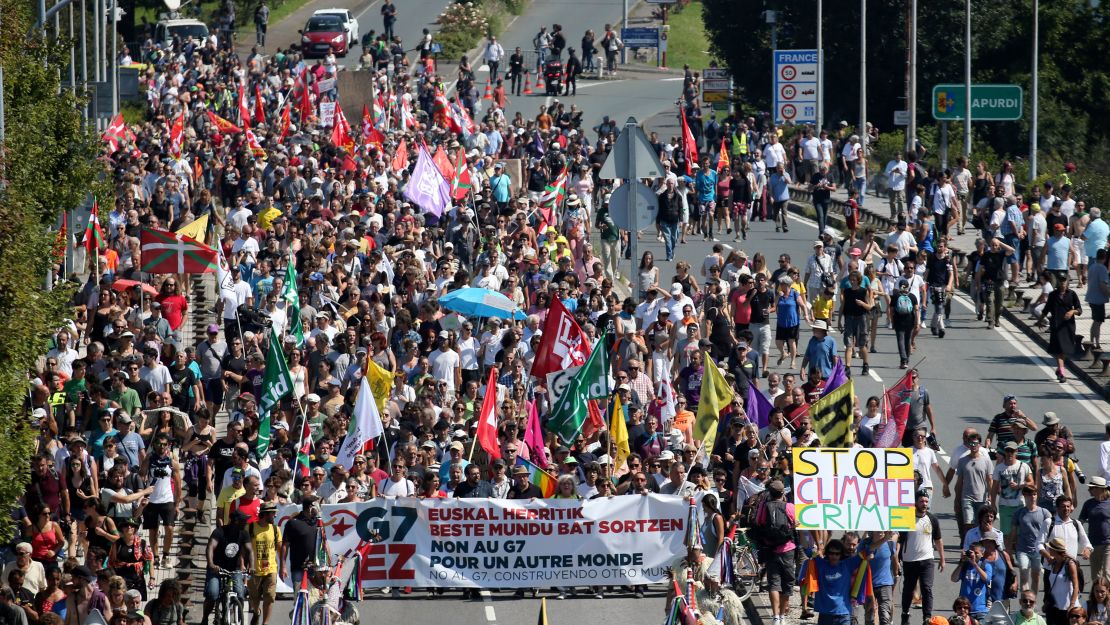
A coalition of about 60 organizations—including environmentalists, feminists, anti-capitalists, and pro-Palestinian activists—organized a march through Geneva. While the majority of the 20,000 attendees remained peaceful, a small faction turned to violence. NOS Nieuws reports that these rioters set a Tesla on fire and smashed windows at a UN building and a PwC office.
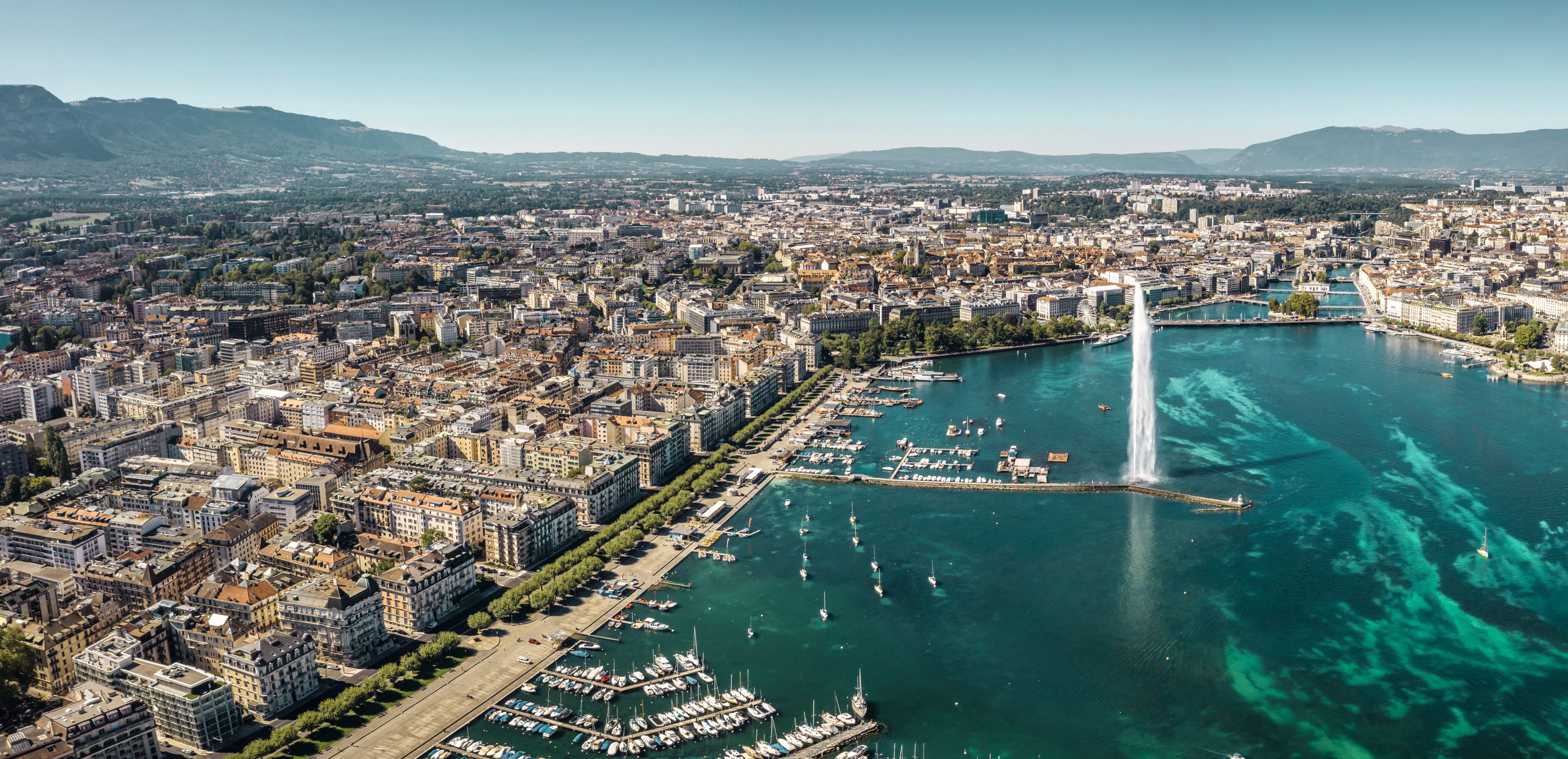
Police responded with tear gas. In return, some demonstrators threw bottles and fireworks at officers. This volatility wasn’t a surprise to local authorities. Businesses boarded up windows and riot police deployed early because of the city’s history with summit-related unrest.
How does this unrest compare to previous G7 protests?
Geneva has a documented history of violent anti-summit demonstrations. According to NOS Nieuws, protesters caused millions of euros in damage during similar events in 2003. By comparison, the current unrest involved a more fragmented coalition of 60 different ideological groups, ranging from climate activists to anti-capitalists.
The targets have also evolved. While previous protests often focused on general government buildings, the recent attack on a Tesla vehicle and a PwC office suggests a specific shift toward targeting corporate symbols of “green capitalism” and global financial auditing.
Why was the G7 summit schedule shifted?
The summit was originally scheduled to begin earlier, but member nations pushed the start date back by one day. According to NOS Nieuws, this change allowed U.S. President Donald Trump to attend a combat sports gala for the White House on his birthday before flying to France.
The adjusted schedule brings together leaders from the United States, Canada, the United Kingdom, France, Germany, Italy, and Japan, along with representatives from the European Union.
What are the primary geopolitical trends the G7 is addressing?
The leaders are focusing on four critical pillars of global stability. According to the summit agenda reported by NOS Nieuws, these include:
- Artificial Intelligence: Establishing frameworks for the future of AI governance.
- Ukraine: Coordinating ongoing support and strategic responses to the conflict.
- The Middle East: Addressing escalating tensions and humanitarian crises.
- Geopolitical Challenges: Managing the shifting balance of power between Western allies and emerging economies.
The intersection of these topics often fuels the very protests seen in Geneva. For example, the G7’s approach to AI and climate change frequently clashes with the “anti-capitalist” and “environmental” goals of the organizations marching in the streets.
FAQ: G7 Protests and Summit Details
Where is the G7 summit taking place?
The summit is held in Évian, France, not in Geneva.
Who participated in the Geneva protests?
About 20,000 people from 60 organizations, including feminists, environmentalists, and pro-Palestinian activists.
What damage was reported in Geneva?
According to NOS Nieuws and Le Temps, a Tesla was burned, and windows were broken at a UN office and a PwC branch.
Which countries are part of the G7?
The US, UK, Canada, France, Germany, Italy, and Japan, with the EU also participating.
For more analysis on global diplomatic shifts, check out our guide on Current Geopolitical Trends or visit the United Nations official site for updates on international diplomacy.
Join the Conversation
Do you think the G7’s focus on AI is enough to address future economic disruptions? Let us know in the comments below or subscribe to our newsletter for weekly geopolitical briefings.