

Garmin Launches Forerunner 70 and 170 Smartwatches for Runners
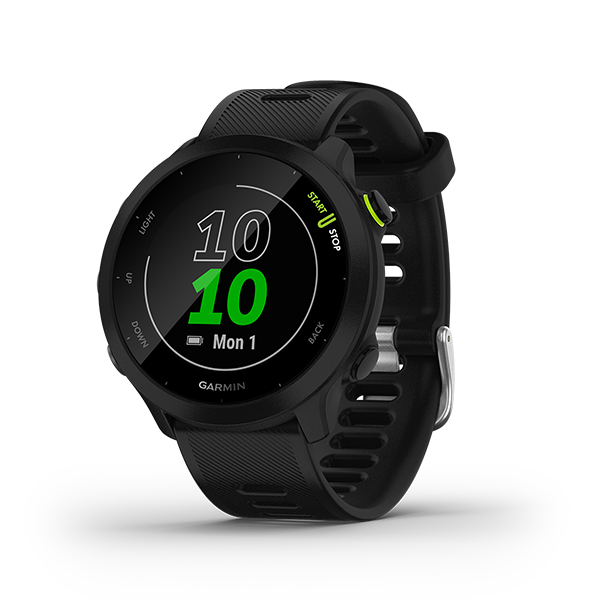
Garmin has expanded its wearable lineup with the launch of the Forerunner 70 and 170, two GPS-enabled smartwatches designed to provide entry-level and intermediate runners with advanced performance analytics. According to an announcement from Garmin Indonesia on June 20, 2026, the devices integrate professional-grade training metrics, such as wrist-based running power and training readiness, into a consumer-friendly hardware package.
How Performance Analytics Are Reshaping Entry-Level Running
Modern running technology has shifted from basic distance tracking to comprehensive physiological monitoring. Garmin’s latest models, the Forerunner 70 and 170, utilize built-in GPS and wrist-based heart rate sensors to provide precise data points that were previously reserved for high-end multisport watches. Marketing Communications Senior Manager for Garmin Indonesia, Chandrawidhi Desideriani, stated that these tools allow users to maintain consistent training cycles by linking health data directly to actionable workout suggestions.
What Data Metrics Matter for Intermediate Runners?
Intermediate runners are increasingly looking for metrics that explain the “why” behind their performance. The Forerunner 70 and 170 include training status and training readiness, which analyze historical data to determine if a user is pushing too hard or under-training. Beyond running, the devices support over 80 specific sport modes, including cycling, swimming, and strength training. This shift toward multi-discipline tracking allows athletes to maintain a holistic view of their physical health, utilizing HRV (Heart Rate Variability) and Pulse Ox sensors to gauge internal recovery levels.
Why Is Integrated Coaching Replacing Manual Planning?
Manual training logs are being replaced by adaptive software like Garmin Coach. Instead of relying on generic online plans, these smartwatches adjust recommendations based on the user’s current fitness level and specific event goals. By automating the planning process, the software reduces the cognitive load on the runner. This integration creates a closed-loop system where the watch monitors the load, calculates the recovery, and prescribes the next session without requiring manual input from the user.
Did You Know?
Modern wearables now monitor “invisible fatigue”—a state where a runner feels physically capable but shows physiological markers of stress, such as suppressed HRV or poor sleep quality, that could lead to injury if ignored.

Frequently Asked Questions
- What is the main difference between the Forerunner 70 and 170?
Both models target the entry-to-intermediate segment, with the primary distinction lying in hardware specifications tailored to different training intensities. - Do these watches require a smartphone to track runs?
No, both devices feature built-in GPS, allowing for accurate route and distance tracking without needing a phone present. - Can these watches track activities other than running?
Yes, Garmin has included support for over 80 activity profiles, including swimming, cycling, and strength training. - How does the watch determine daily workout suggestions?
The device uses data from your training load, recovery time, and sleep quality to recommend workouts that optimize your performance.
Are you looking to improve your running consistency? Explore our full guide to Garmin training metrics or subscribe to our weekly newsletter for more updates on the latest fitness technology.