

Genetic-Exposome Interactions and Aging Clocks in Dementia: Insights From the ReDLat2 Initiative
A groundbreaking study published in May 2026 reveals how the interplay between genetics and environmental exposures—collectively known as the exposome—may accelerate biological aging in individuals at risk of dementia. The ReDLat2 initiative, a large-scale collaboration, analysed aging clocks in over 10,000 participants across Latin America and Europe to uncover how lifestyle, pollution, and socioeconomic factors modify genetic risk for dementia.
How Genetic and Environmental Factors Collide in Dementia Risk
The study found that epigenetic aging clocks—biomarkers that measure cellular aging—were significantly advanced in individuals with high genetic risk for dementia, particularly when combined with adverse environmental exposures. For example, air pollution and poor nutrition were linked to faster biological aging in those carrying dementia-associated genetic variants. These findings suggest that while genetics set the stage, environmental factors may determine how quickly that risk materializes.
Why This Matters: A Shift in How We Understand Dementia
Traditionally, dementia research has focused on genetic mutations like APOE-e4. However, this study underscores that environmental exposures—such as pollution, diet, and stress—may amplify or mitigate genetic risk. The findings could redefine prevention strategies, shifting from purely genetic screening to holistic approaches that address modifiable lifestyle and environmental factors.
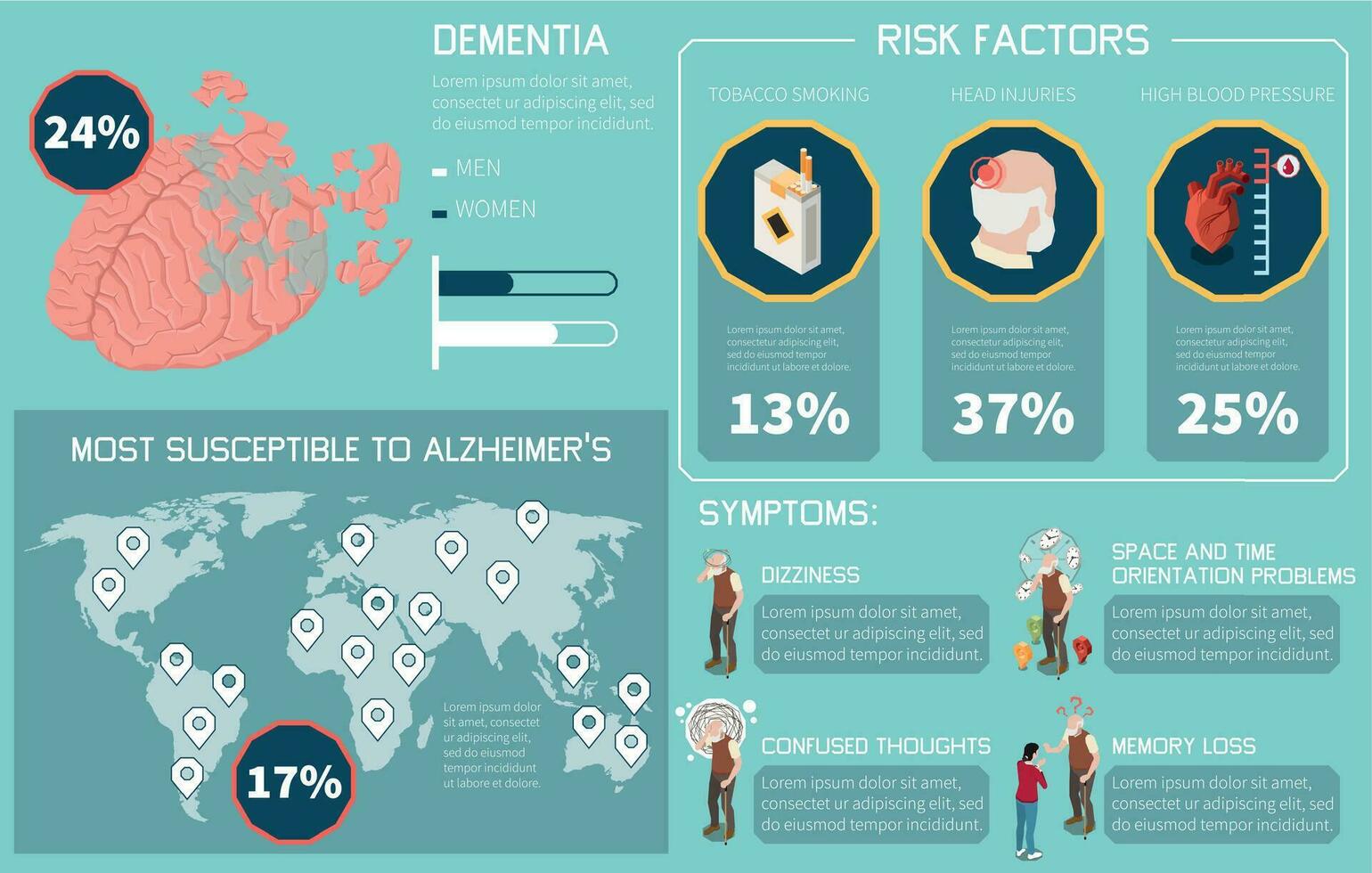
For populations with high genetic risk, targeted interventions—such as air quality improvements or nutritional programmes—could potentially delay or reduce dementia incidence. The study also highlights disparities: individuals in lower-income regions with higher exposure to pollutants may face compounded risks, even if their genetic risk is moderate.
What Comes Next: Possible Directions for Research and Policy
Researchers may now explore whether early exposome interventions—such as reducing pollution exposure or improving diet—can slow epigenetic aging in high-risk groups. Clinical trials could test whether lifestyle modifications, combined with genetic screening, can delay dementia onset. Policy-wise, governments may prioritize environmental regulations in regions with high dementia prevalence, particularly where genetic risk and pollution overlap.
Another potential avenue is the development of exposome-adjusted aging clocks, which could provide more accurate risk assessments than genetic testing alone. However, large-scale validation and public health infrastructure will be required to implement such tools.
Frequently Asked Questions
What is the exposome, and how does it relate to dementia?
The exposome refers to the cumulative impact of environmental exposures—such as pollution, diet, and socioeconomic conditions—on health. This study found that adverse exposome factors accelerate biological aging in individuals with genetic risk for dementia, suggesting that environmental interventions could modify risk.
Can lifestyle changes reverse epigenetic aging in dementia?
The study does not prove reversibility but shows that favorable environmental exposures may slow aging clocks. Future research could investigate whether targeted interventions—such as reduced pollution or improved nutrition—can mitigate epigenetic changes linked to dementia risk.
Are there immediate actions individuals can take based on this research?
While more research is needed, the findings suggest that reducing exposure to air pollution, maintaining a healthy diet, and managing stress may help lower dementia risk—especially for those with known genetic predispositions. Consulting healthcare providers for personalized risk assessments remains advisable.
How might this research influence public health strategies in your community? Share your thoughts in the comments.