
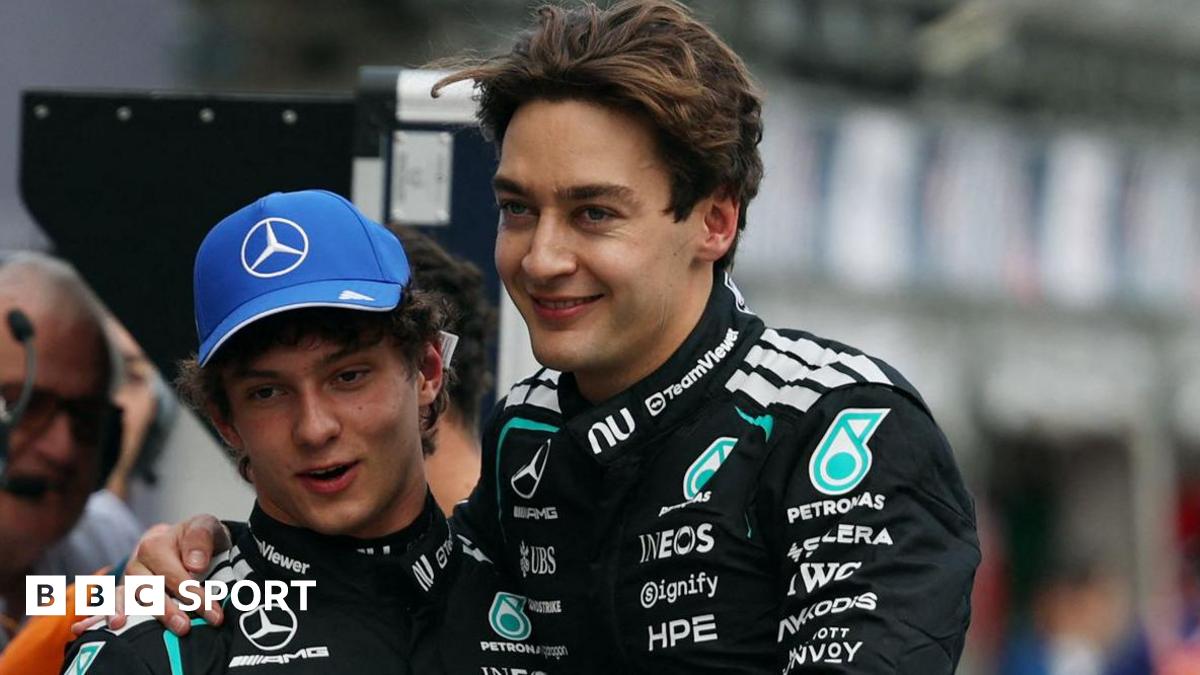
George Russell Claims Kimi Antonelli’s World Championship Is To Lose
The 2026 Formula 1 Drivers’ Championship has taken a dramatic turn after George Russell’s retirement from the Canadian Grand Prix handed his Mercedes teammate, Kimi Antonelli, a commanding 43-point lead. The British driver, who started the race from pole position and led for much of the early stages, suffered a power unit failure on lap 30, ending his season-long challenge and reshaping the title race before it could reach the final rounds.
The Turning Point in Montreal
Russell’s retirement in Montreal was the latest blow in what had been a closely contested battle between the two Mercedes drivers. Antonelli, the younger of the pair, had already secured four consecutive victories heading into the Canadian Grand Prix, establishing himself as the season’s dominant force. The retirement not only stripped Russell of the chance to extend his lead but also handed Antonelli a significant points advantage that could prove decisive in the championship.
Russell, visibly shaken after the retirement, conceded in interviews that the championship now belongs to Antonelli. His words—”this year’s world championship is Kimi Antonelli’s to lose”—reflect the stark reality of the situation. With five races remaining in the season, Antonelli’s momentum, combined with the points advantage, positions him as the overwhelming favourite to claim the title.
Why This Matters
The championship shift underscores the rapid rise of Antonelli, who has defied expectations to become the frontrunner in one of the most competitive seasons in recent memory. His consistency and ability to capitalize on Russell’s struggles have redefined the narrative of the 2026 campaign. Meanwhile, Russell’s retirement in Canada—coming after a season-opening win in Melbourne—has left him with little room to recover, even if he were to win every remaining race.

For Mercedes, the dynamic between the two drivers has become a focal point. Antonelli’s aggressive approach and recent form have overshadowed Russell’s experience, raising questions about team strategy and driver development. The gap of 43 points is not just statistical; it reflects a broader shift in the balance of power within the team and the sport.
What Comes Next?
With the championship now effectively decided, Antonelli’s focus will shift to securing the title in the remaining races. His consistency and recent dominance suggest he is well-positioned to do so, though challenges from rivals like Max Verstappen or Carlos Sainz Jr. Could still arise. For Russell, the immediate future remains uncertain. His retirement in Canada has left him without a clear path to reclaim the lead and his comments indicate a sense of acceptance—though the emotional toll of the season may yet play out in the coming weeks.
Mercedes will also face internal scrutiny, particularly regarding team strategy and driver management. The contrast between Antonelli’s relentless pace and Russell’s recent setbacks could spark debates about workload, car development, and how the team balances its two drivers. The next races will be critical in determining whether Antonelli can convert his lead into a title or if unforeseen circumstances could yet alter the outcome.
Frequently Asked Questions
How did Kimi Antonelli gain a 43-point lead over George Russell?
Antonelli secured a 43-point advantage after Russell retired from the Canadian Grand Prix due to a power unit failure while leading the race. This result followed Antonelli’s four consecutive victories, while Russell’s season momentum stalled after his initial win in Melbourne.
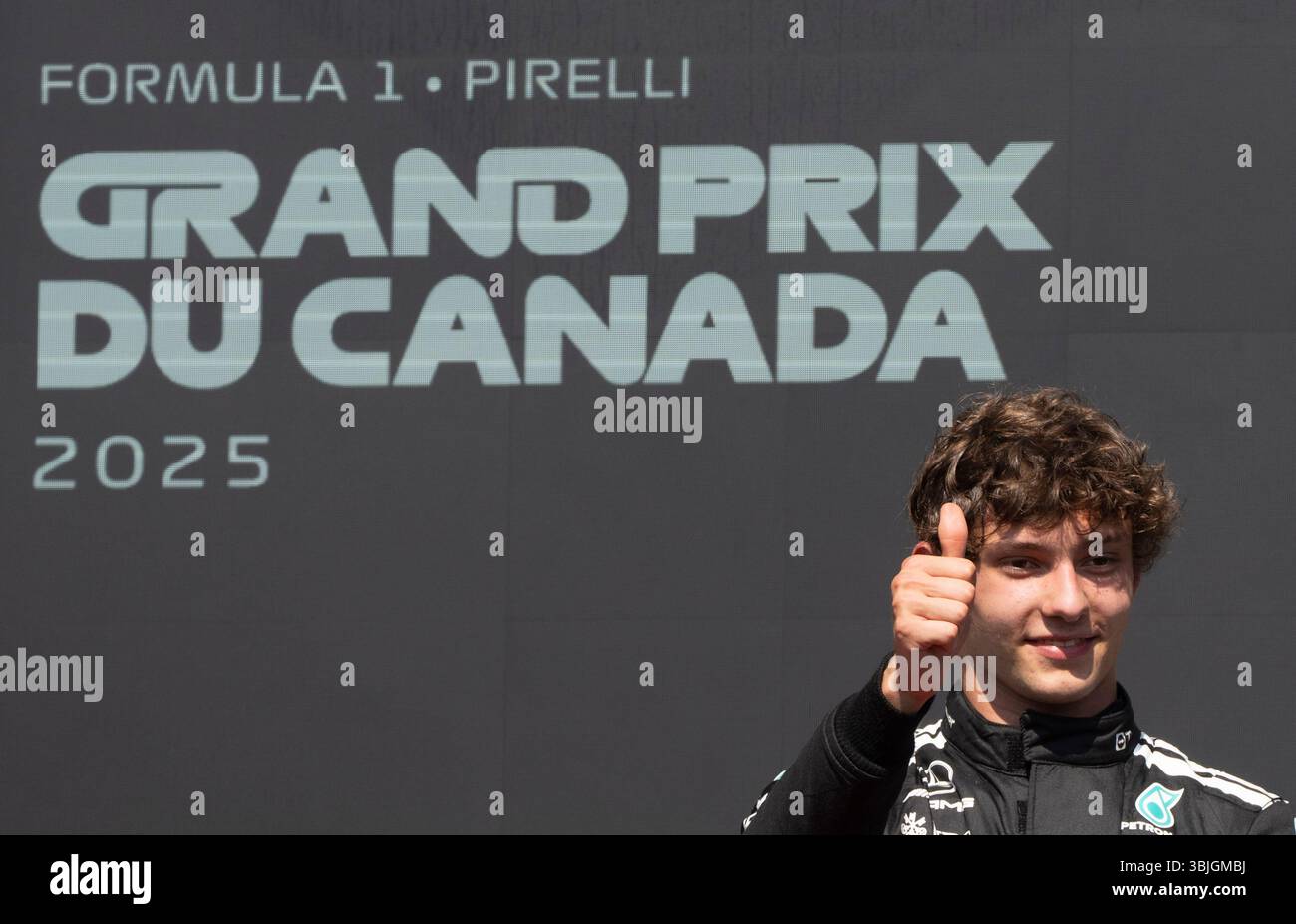
What does Russell mean when he says the championship is Antonelli’s “to lose”?
Russell’s statement reflects the significant points gap and Antonelli’s recent form. With five races remaining, Antonelli’s lead is substantial enough that even if Russell were to win every remaining race, the gap would likely be insurmountable, making the title effectively his to claim.
Could Russell still win the championship?
Based on the current points gap, We see highly unlikely. Even if Russell were to win all remaining races, the 43-point deficit would reduce to a level that still favors Antonelli, given the mathematical distribution of points in Formula 1.
As the season unfolds, the question isn’t just who will win the championship—but how the sport and its fans will remember this pivotal moment when everything changed in Montreal.