
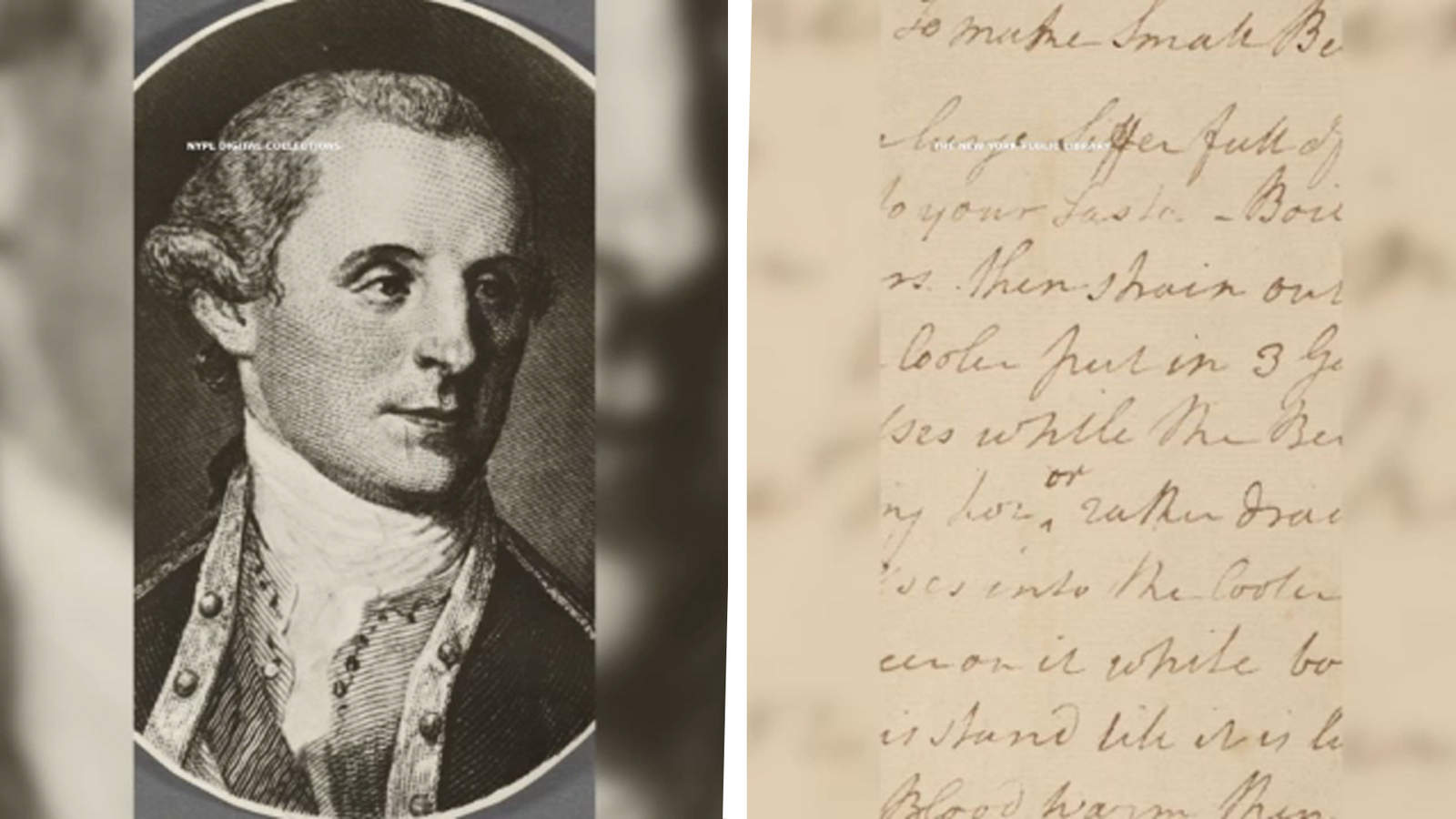
George Washington’s Original Beer Recipe Returns for America’s 250th Anniversary
Drinking History: How Archival Recipes are Transforming Modern Craft Brewing
What did the Founding Fathers actually drink? As the United States approaches the 250th anniversary of the Declaration of Independence, institutions like the New York Public Library are looking beyond books to answer this question. By digitizing and reviving 18th-century “small beer” recipes, they are bridging the gap between dusty archives and modern taprooms.
This trend of “archival brewing” is more than a marketing gimmick; This proves an emerging movement where cultural heritage meets craft fermentation. By collaborating with local breweries like TALEA Beer Co. To create limited-edition runs—such as the “Liberty Lager”—cultural institutions are finding new ways to make history tangible for a younger, experience-driven audience.
George Washington recorded his personal beer recipe in a military journal in 1757. The recipe, which included basic ingredients like water, hops, and molasses, reflects the practical brewing methods of the colonial era.
The Rise of “History-First” Marketing in Craft Beverages
Craft breweries are increasingly turning to historical archives to differentiate their brands in a saturated market. When a brewery pairs a pint with a narrative, they aren’t just selling alcohol; they are selling a story. This strategy, often called “experiential history,” allows consumers to “taste” the past, creating a deeper emotional connection to the product.
Why Consumers Are Craving Authentic Narratives
Modern drinkers are shifting away from mass-produced labels toward products with provenance. Whether it’s resurrecting a 250-year-old recipe or using heirloom grains, the appeal lies in the authenticity of the process. As we look toward future trends, expect to see more partnerships between museums, historical societies, and craft beverage producers.
If you want to try your hand at history, many major libraries have begun digitizing their culinary and beverage collections. Check the New York Public Library’s digital collections for original handwritten recipes that you can recreate in your own kitchen.
Future Trends: The Intersection of Archives and Agritourism
The success of the Liberty Lager project suggests a broader future for “culinary archaeology.” We are likely to see an increase in:

- Hyper-Local Historical Revivals: Breweries partnering with local historical sites to recreate regional beverages specific to their town’s founding era.
- Interactive Digital Archives: QR codes on packaging that lead directly to the scanned, original manuscripts of the recipes used.
- Educational Tasting Events: Pairing beer flights with curator-led discussions on 18th-century life and logistics.
Frequently Asked Questions
- What is “small beer”?
- Small beer was a low-alcohol beverage common in the 18th century, often consumed by soldiers and civilians alike because it was safer to drink than local water sources.
- Can I see the original Washington recipe?
- Yes, the New York Public Library has made the original handwritten instructions available online, complete with a transcript for easier reading.
- Are these historical beers mass-produced?
- Typically, these projects are limited-edition collaborations designed to celebrate specific anniversaries or cultural events, rather than being part of a brewery’s permanent, year-round lineup.
Have you ever tried a beverage based on a historical recipe? What era of history would you like to “taste” next? Share your thoughts in the comments below, or sign up for our newsletter for more deep dives into the intersection of history and modern culture.