

Geriatric Butterfly Species Outlives Relatives 3x
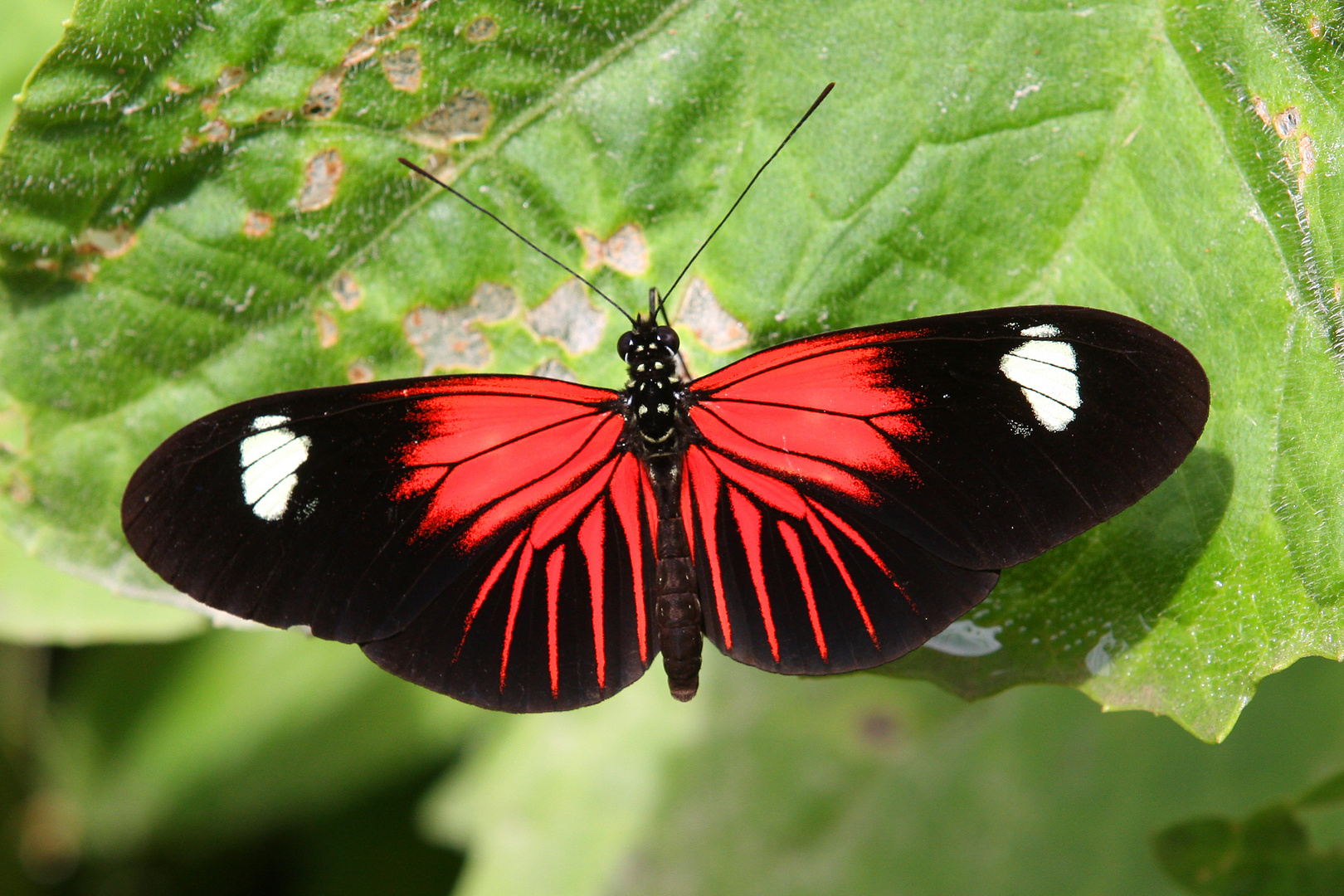
Heliconius butterflies in South and Central America have evolved a strategy to delay aging, with some species living up to 348 days—roughly 25 times longer than close relatives—according to a University of Bristol study in Nature Communications. This longevity is linked to both evolved genetic factors and a rare ability to feed on pollen.
Why do Heliconius butterflies live longer than other species?
Most butterfly species survive for only a few weeks. However, members of the Heliconiini tribe live an average of three times longer than their closest relatives. The disparity is most evident when comparing Heliconius hewitsoni, which reaches a maximum lifespan of 348 days, to Dione juno, which lives for just 14 days.
Researchers from the University of Bristol and the Smithsonian Tropical Research Institute found that these butterflies exhibit lower baseline mortality and slower aging rates. This allows them to survive far beyond the typical window for their insect peers.
How does the “ageless” nature of Heliconius hecale work?
Some species don’t just live longer; they don’t seem to age in the traditional sense. The study found that Heliconius hecale shows little to no physiological decline as it grows older. Researchers used a grip-strength test to measure physical performance and found no apparent deterioration in older individuals of this species.
This stands in stark contrast to Dryas iulia, a closely related but shorter-lived butterfly. D. iulia showed clear age-related decline in the same tests. According to the University of Bristol team, this suggests Heliconius butterflies may largely escape the physical decay seen in most animals.
Does pollen-feeding cause butterfly longevity?
Most butterflies rely on flower nectar, but Heliconius butterflies can feed on pollen. Researchers tested whether this nutrient-rich diet was the primary cause of their long lives by comparing H. hecale with the non-pollen-feeding D. iulia.

The data showed that H. hecale maintained its muscle function and body mass longer. However, the longevity advantage remained even when H. hecale was deprived of dietary pollen. This indicates that while nutrition helps, the ability to live longer is an evolved genetic trait.
What does this mean for the future of aging research?
The discovery provides a “natural evolutionary experiment” for scientists. By comparing long-lived Heliconius butterflies with short-lived relatives that diverged recently in evolutionary time, researchers can isolate the specific mechanisms that extend life.
Dr. Jessica Foley, the study’s lead author, stated that identifying these mechanisms could reveal how lifespan is extended in the natural world. This research moves the focus from simply living longer to “healthy aging,” where physical function is maintained throughout the organism’s life.
For more on biological breakthroughs, see our coverage of evolutionary genetics or visit the Nature Communications archive.
Frequently Asked Questions
Which butterfly species has the longest lifespan?
According to the University of Bristol study, Heliconius hewitsoni reached a maximum recorded lifespan of 348 days.
How was the aging process measured in butterflies?
Researchers used grip-strength tests to measure physical performance and deterioration over time, alongside data from butterfly houses and recapture studies.
Is pollen the only reason these butterflies live longer?
No. While pollen-feeding contributes to their health, Heliconius hecale retained a longevity advantage even without pollen, suggesting evolved genetic factors are also responsible.
What do you think about the possibility of using insect models to understand human aging? Let us know in the comments below or subscribe to our newsletter for more science updates.