
Germany Vows Future UN Security Council Bid After Shock Election Defeat
Germany, the world’s third-largest economy and the de facto leader of the European Union, is currently navigating the fallout of a significant diplomatic setback. In a recent United Nations Security Council election held in New York, the nation failed to secure a non-permanent seat, marking a rare and stinging defeat for a country that has successfully served six previous terms.
The election required candidates to secure a two-thirds majority—127 votes—from the 193 UN member states. While Portugal and Austria successfully cleared the threshold with 134 and 131 votes respectively, Germany garnered only 104. This result has prompted intense scrutiny of the government’s campaign strategy and its reliance on its global standing rather than proactive diplomatic outreach.
A Pivot to 2035
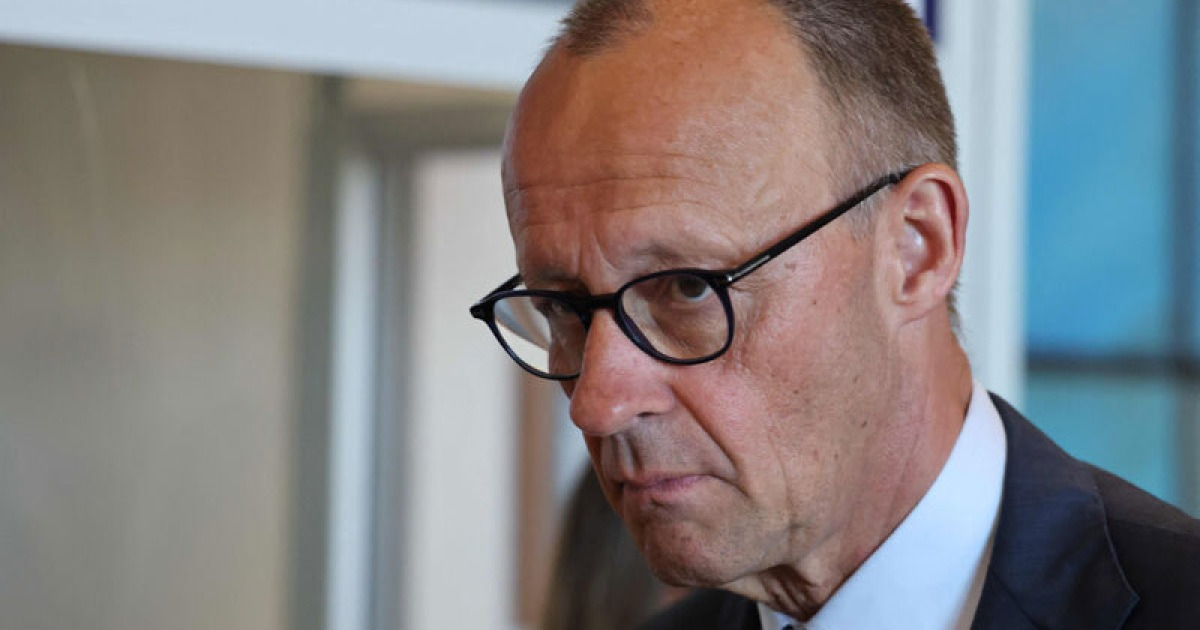
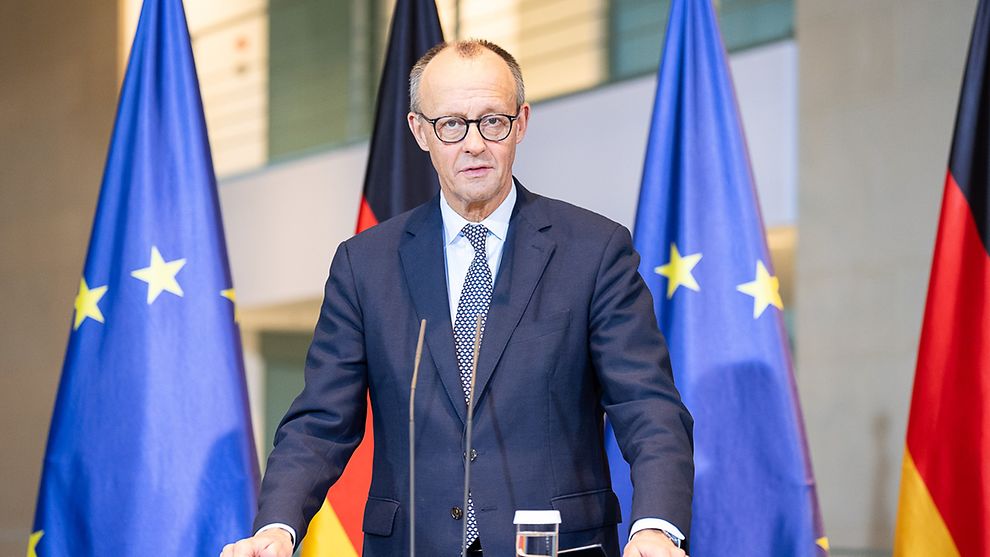
Chancellor Friedrich Merz, who had hoped a successful bid would serve as a hallmark of his administration’s diplomatic efficacy, has signaled a strategic pivot. During a visit to Montenegro for the EU-Western Balkans summit, Merz announced his intention to bid for a seat again for the 2035–2036 term. He acknowledged that the country’s entry into the current race was delayed and that efforts to persuade member states were insufficient compared to the competition.
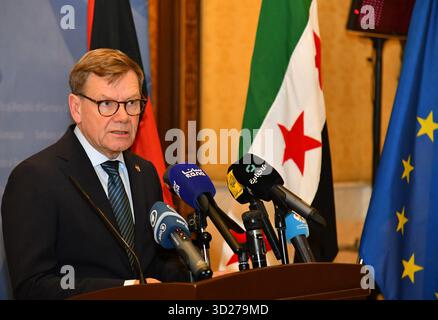
The failure has placed pressure on Foreign Minister Johann Wadephul, with opposition parties labeling the outcome a “diplomatic disaster.” Despite calls for his resignation, Chancellor Merz has reaffirmed his confidence in the minister, citing his commitment to the nation over the past year. Minister Wadephul has since ordered a thorough internal analysis of the defeat, admitting that Portugal and Austria were far ahead in their preparations from the outset.
Implications and Future Outlook
The diplomatic misstep is likely to lead to a more rigorous, long-term approach to future international campaigns. By publicly acknowledging that they relied too heavily on their existing influence as a major economic power, the German government appears to be signaling a shift toward more traditional, labor-intensive coalition building in the UN sphere.
In the near term, analysts expect the German Foreign Ministry to finalize its post-mortem report on the election, which may influence how the country approaches other multilateral forums. While the current administration remains intact, the political opposition will likely continue to monitor the Foreign Ministry’s performance closely to capitalize on the recent loss.
Frequently Asked Questions
Why did Germany fail to win the UN Security Council seat?
Germany failed to secure the required 127 votes, receiving only 104. The government admitted that its candidacy was declared late and that its efforts to lobby other UN member states were insufficient compared to competitors like Portugal and Austria.
What is the significance of the UN Security Council?
The Security Council is the only UN body capable of making binding decisions. It consists of five permanent members with veto power and ten non-permanent members. Holding a seat allows a country to participate in key meetings and hold the rotating presidency.
Will there be a change in the German cabinet following this event?
Despite calls from the opposition for Foreign Minister Johann Wadephul to step down, Chancellor Merz has publicly reconfirmed his support for the minister, citing his dedication to the country.
How do you believe major global powers should adjust their diplomatic strategies to remain competitive in international voting forums?