
Germany’s €100 Billion Fund to Tackle Municipal Infrastructure and Climate Needs
The German federal government has allocated €100 billion through a special fund for infrastructure and climate protection to be distributed via 16 states to local municipalities. While the Tübingen district is set to receive approximately €47 million, Landkreistagspräsident Achim Brötel warned that record deficits could leave cities and districts unable to function.
Brötel told ARD that the current financial deficits are the highest seen since the founding of the Federal Republic of Germany. He stated there is currently no prospect of the situation improving.
How will the Tübingen district use the €47 million?
Tübingen’s finance officer, Christian Herrmann, reported that the district faces an investment backlog exceeding €100 million. The €47 million allocation serves as a necessary injection to address infrastructure needs that might otherwise remain unrealized or be significantly delayed.
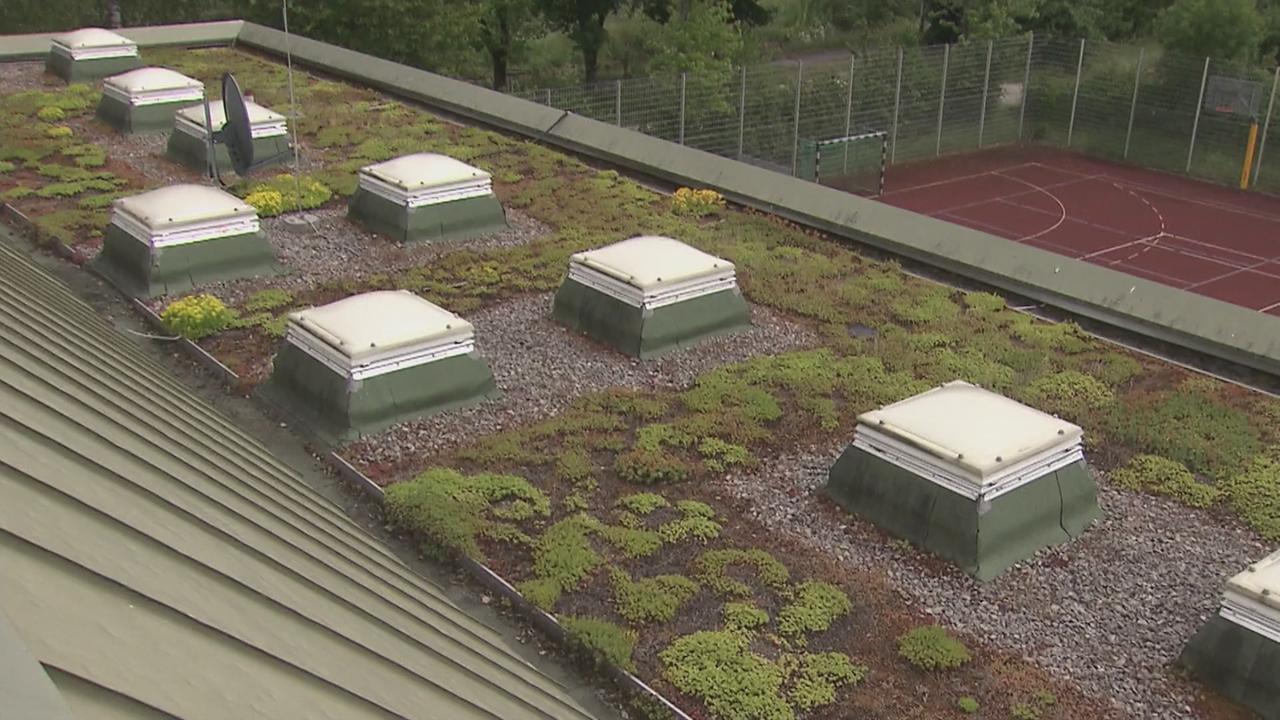
The district will allocate €5 million specifically for photovoltaic systems. This includes a €400,000 project to install a solar array on the roof of the Tübingen district sports hall to produce electricity for the facility.
Additional funds are earmarked for the construction of new schools and the renovation of bridges. Herrmann stated the goal is to quickly bring the district’s infrastructure back up to standard.
What are the obstacles to expanding social housing?
The Kreisbau Gesellschaft in Tübingen, which manages 2,400 affordable apartments, is receiving €5 million to increase construction. Managing Director Matthias Sacher aims to increase the annual production of rental units from 30-40 to between 50 and 70, depending on demand.
Sacher noted that funding alone does not build housing. He identified several “bottlenecks,” including regulatory hurdles, the building permit process, administrative delays, and a lack of available building plots.
Why is the federal government proposing a “Bonus-Malus” system?
Federal Finance Minister Lars Klingbeil proposed a “Bonus-Malus” system after an expert council reported that funds are not being drawn quickly enough. In 2025, only €24 million was accessed out of a planned €37.2 million.

Klingbeil stated that those who invest funds quickly and effectively should receive a bonus, while those who are too slow or invest inefficiently could face budget cuts. He has instructed his ministry to develop this system to increase the speed of planning and implementation.
Christian Herrmann criticized this approach, arguing it could spark a race for speed that compromises the quality of investments. Herrmann also suggested the system could create friction between various municipalities and districts.
How do citizens perceive the funding process?
Public sentiment reflects a lack of transparency regarding the €100 billion fund. Resident Benedikt Wössner questioned where the money is going and why it is not reaching specific local needs.
Another resident, Andreas Sickelmann, described the distribution process as confusing and lacking clarity. These reactions suggest that local governments may need to improve communication to ensure citizens understand how the funds are being utilized.
Frequently Asked Questions
How much total funding is available for infrastructure and climate protection?
The federal government has established a special fund of €100 billion for the 16 federal states to distribute to municipalities and districts.
What is the current investment gap in the Tübingen district?
According to Finance Officer Christian Herrmann, the district has an investment backlog of more than €100 million.
What is the goal for new social housing in Tübingen?
Matthias Sacher of the Kreisbau Gesellschaft aims to nearly double the current construction rate, moving from 30-40 units per year to approximately 50-70 units.
Do you believe financial incentives like a “Bonus-Malus” system encourage efficiency or risk the quality of public infrastructure?