
Girl Scouts Event Brings Space Science to the Next Generation
The New Frontier of STEM: How Experiential Learning is Redefining Space Education
For decades, science education was confined to the four walls of a classroom, defined by heavy textbooks and theoretical equations. However, a seismic shift is occurring. We are moving toward a model of “experiential learning”—where the world (and the solar system) becomes the laboratory.
The recent collaboration between NASA’s Heliophysics teams and organizations like the Girl Scouts signals a broader trend: the democratization of space science. By moving education from the lecture hall to the campfire, we are seeing a surge in engagement among demographics historically underrepresented in STEM fields.
The Rise of “Near-Peer” Mentorship
One of the most potent trends in modern education is the “near-peer” mentoring model. This is the practice of having students who are only a few years older than their peers lead the instructional process. When a high school senior explains the mechanics of a solar flare to a middle schooler, the information is delivered in a language that is accessible, and relatable.
This approach does more than just help the learner; it solidifies the knowledge of the mentor. By teaching complex concepts—such as the PUNCH (Polarimeter to Unify the Corona and Heliosphere) mission—older students develop leadership skills and a deeper mastery of the subject matter.
Industry experts suggest that this model will become the gold standard for technical training, moving away from top-down instruction toward collaborative, community-based learning ecosystems.
Interdisciplinary Space Science: Beyond the Lab Coat
There is a growing realization within agencies like NASA that space exploration is not solely the domain of physicists and engineers. The future of the “Space Economy” requires a diverse toolkit of skills.
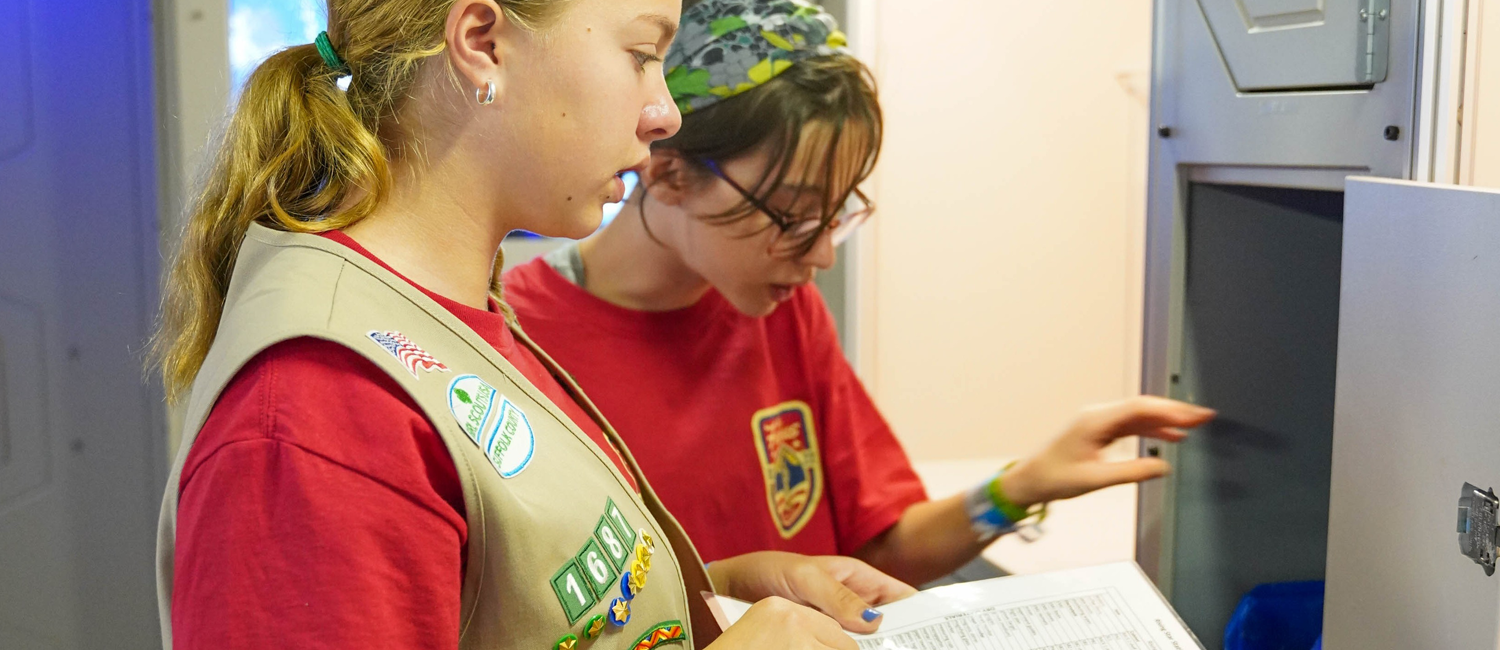
We are seeing a trend toward “Whole-Brain STEM,” which integrates the arts, communications, and humanities into scientific missions. A successful mission to Mars or a study of the Sun’s corona requires:
- Technical Writers: To translate complex data into public knowledge.
- Financial Analysts: To manage the astronomical budgets of deep-space probes.
- Artists and Designers: To visualize data and design ergonomic habitats.
- Communications Specialists: To bridge the gap between the laboratory and the living room.
By highlighting these diverse roles, we expand the “entry points” for students who might be intimidated by calculus but possess a passion for storytelling or organization.
Heliophysics and the Future of Space Weather Awareness
As our society becomes increasingly dependent on satellite technology, GPS, and global power grids, the study of Heliophysics—the physics of the Sun and its interaction with the solar system—is moving from a niche academic interest to a critical security priority.
Future trends indicate a push toward “Citizen Science,” where the general public helps monitor space weather. Using tools like Sunspotter telescopes and polarized lenses, students are becoming the first line of observation.
This shift transforms the student from a passive consumer of information into an active contributor to scientific discovery. When a young learner identifies a solar event, they are no longer just studying science; they are doing science.
For more on how these technologies are evolving, explore our guide on the future of amateur astronomy.
The “Gamification” of Space Badges and Certification
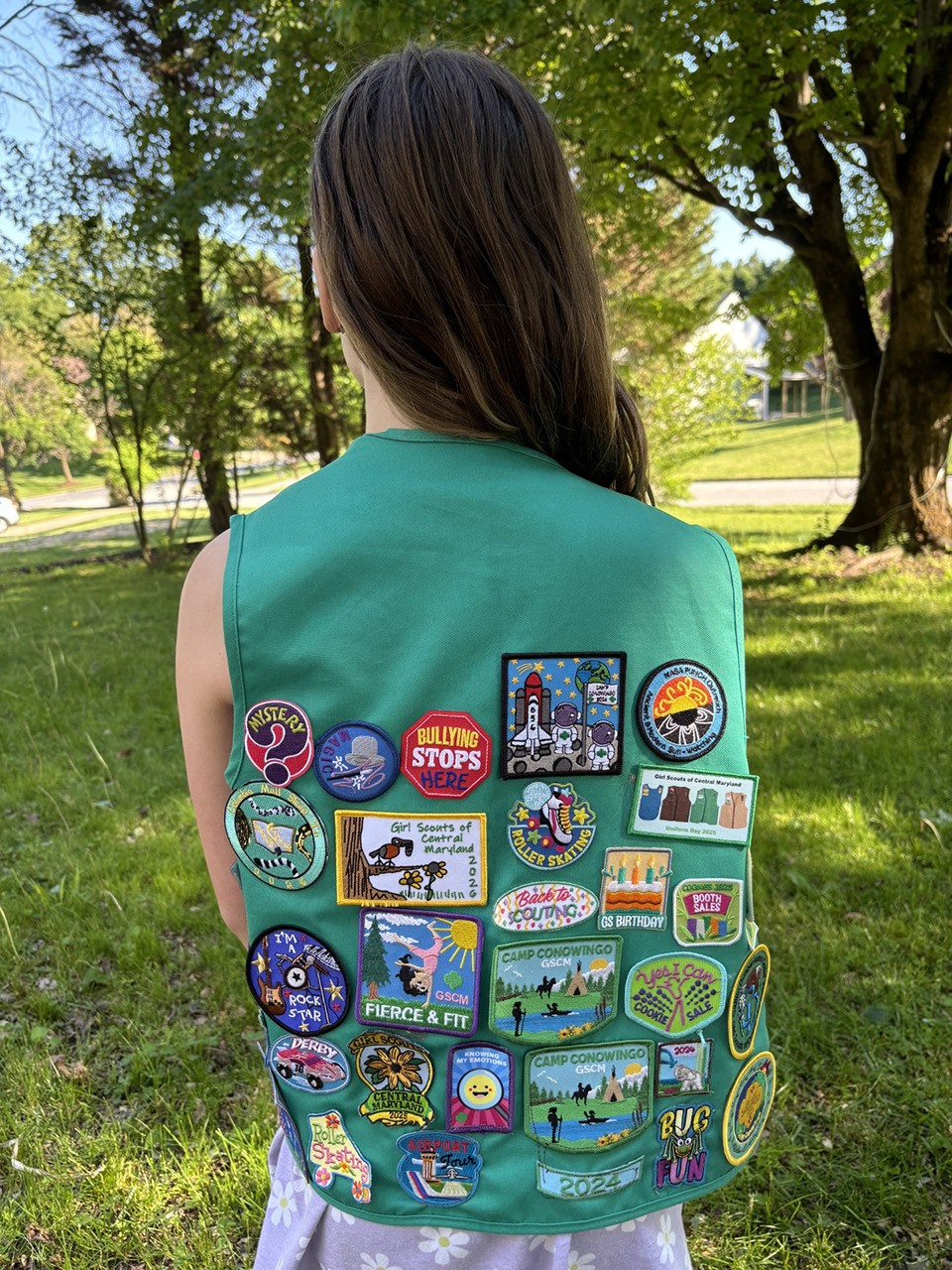
The use of badges and patches—long a staple of scouting—is mirroring the digital trend of “micro-credentialing.” In the professional world, we see this through digital badges on LinkedIn; in education, we see it through themed achievement markers.
This psychological trigger creates a “collection” mentality that encourages students to pursue a series of related milestones. Instead of one daunting “Science Degree,” the path is broken down into achievable wins: a badge for Moon phases, a patch for Sun-watching, and a certificate for planetary scale.
Frequently Asked Questions
What is Heliophysics?
Heliophysics is the study of the Sun and how it affects the rest of the solar system, including the “space weather” that can impact our satellites and power grids on Earth.
Why is experiential learning better than traditional classroom learning?
Experiential learning increases retention rates by engaging multiple senses and applying theoretical knowledge to real-world scenarios, making the information more memorable and relevant.
How can I get my children involved in NASA-related activities?
Look for local STEM chapters, participate in Girl Scouts programs, or check NASA’s official outreach portals for citizen science projects and educational resources.
Join the Conversation
Do you believe that “soft skills” like art and writing are undervalued in science education? Or perhaps you have a tip for inspiring the next generation of explorers?
Share your thoughts in the comments below or subscribe to our newsletter for more insights into the future of science!