
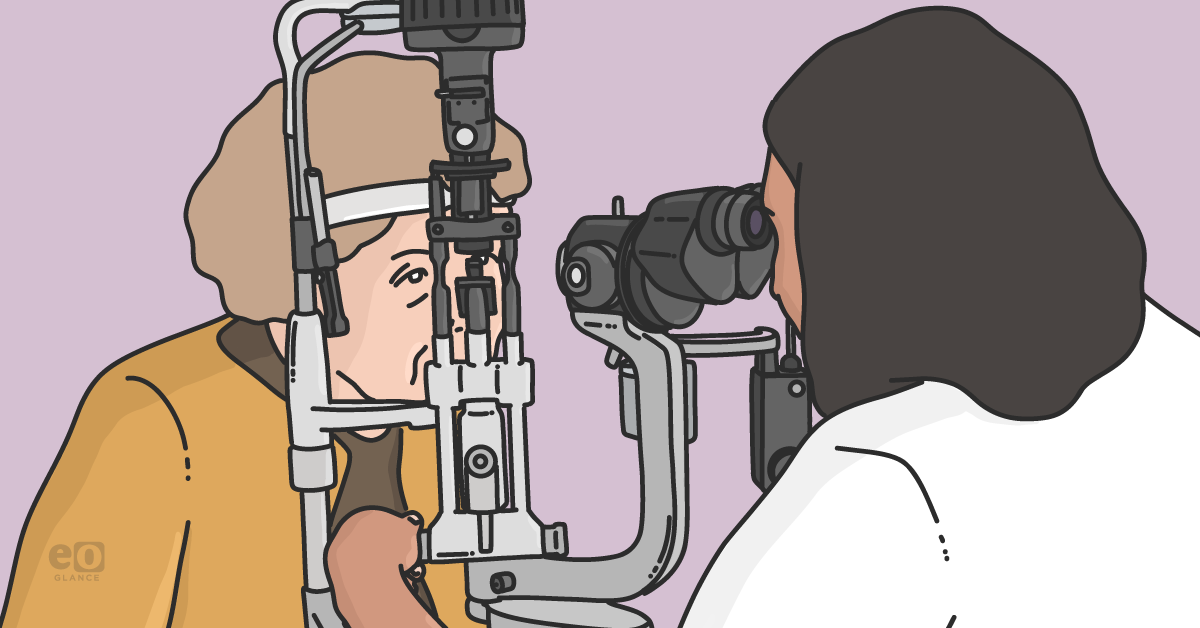
Glaucoma risk higher among women with postmenopausal HRT
A study published in Acta Ophthalmologica found that postmenopausal hormone replacement therapy (HRT) is associated with an increased risk of glaucoma. Using Finnish health registry data, researchers determined that estrogen-only, progesterone-only, and combined therapies all correlate with higher risk, contradicting earlier theories that estrogen might protect the optic nerve.
The researchers analyzed prescription records and clinical outcomes from national health registries in Finland. They started with nearly 400,000 women aged 50 and older, eventually narrowing the cohort to 6,576 women after excluding those with prior glaucoma diagnoses.
Of these women, 1,096 developed glaucoma. To ensure accuracy, investigators matched each case with five controls of the same age, totaling 5,480 controls, and adjusted for variables including statin use, diabetes, and socioeconomic factors.
How does hormone therapy affect glaucoma risk?
All forms of hormone therapy were linked to a higher risk of glaucoma, according to the Acta Ophthalmologica study. The risk was most pronounced in estrogen-only therapy with an odds ratio (OR) of 1.33, followed by progesterone-only therapy at 1.25 and combined therapy at 1.19.

Subgroup analysis showed that estrogen-only therapy remained significantly associated with an increased risk of primary open-angle glaucoma. The data also indicated that longer exposure to estrogen correlated with higher risk, suggesting that the duration of use is a critical factor.
Why do these results contradict earlier research?
Previous research suggested estrogen might protect the optic nerve by aiding retinal ganglion cell (RGC) survival and regulating intraocular pressure (IOP). This Finnish study shifts that conversation, indicating an association with increased risk instead.

The authors of the study noted that hormone therapy “may increase the glaucoma risk,” though they emphasized that more research is required to confirm this association. Experts currently view these results as a signal rather than a practice-changing conclusion.
What are the limitations of this study?
The study is observational, meaning it identifies an association but cannot prove that HRT causes glaucoma. Additionally, the findings are specific to the population of Finland, which may limit how the results apply to different healthcare systems or diverse populations.
The researchers also relied on registry data and treatment eligibility to identify glaucoma cases. They did not use standardized clinical tests, such as optical coherence tomography (OCT) or visual field tests, which introduces variability in how cases were defined.
How will this impact clinical decisions?
Medical professionals are not recommending that patients avoid hormone therapy entirely. Instead, the findings suggest that HRT should be one of several factors considered when evaluating a patient’s risk profile.
Patients with a family history of glaucoma, vascular disease, or advanced age may benefit from closer monitoring while on long-term HRT. The study reinforces the need for routine eye examinations for postmenopausal women, especially those using hormone therapy over extended periods.
Frequently Asked Questions
Which type of hormone therapy showed the highest association with glaucoma?
According to the study, estrogen-only therapy had the highest association, with an odds ratio of 1.33.
Does the length of time a woman takes HRT matter?
Yes. The research found that longer exposure to estrogen was associated with a higher risk of developing glaucoma.
Should women on HRT stop taking their medication?
The study does not suggest avoiding hormone therapy altogether but emphasizes the importance of routine eye exams and closer monitoring for those at higher risk.
Do you prioritize routine eye exams as part of your long-term health screenings?