

Global Blood Supplies Show Sustained Progress, but Persistent Inequalities Remain
Global blood collections rose nearly 19% between 2013 and 2023, according to new World Health Organization (WHO) data, but persistent disparities in access and governance challenges remain critical concerns. Voluntary unpaid donors accounted for 85% of the 120 million donations recorded in 2023, yet low-income nations continue to face severe shortages, with 24 countries reporting fewer than five donations per 1,000 people annually.
Why It Matters
Access to safe blood remains uneven, with high-income countries—representing 15% of the global population—collecting 36% of all donations. Meanwhile, lower-income nations struggle with limited financing, weak infrastructure, and insufficient donor recruitment. The WHO emphasizes that blood shortages disproportionately affect vulnerable groups, including women during childbirth, children with anemia, and patients with chronic illnesses.
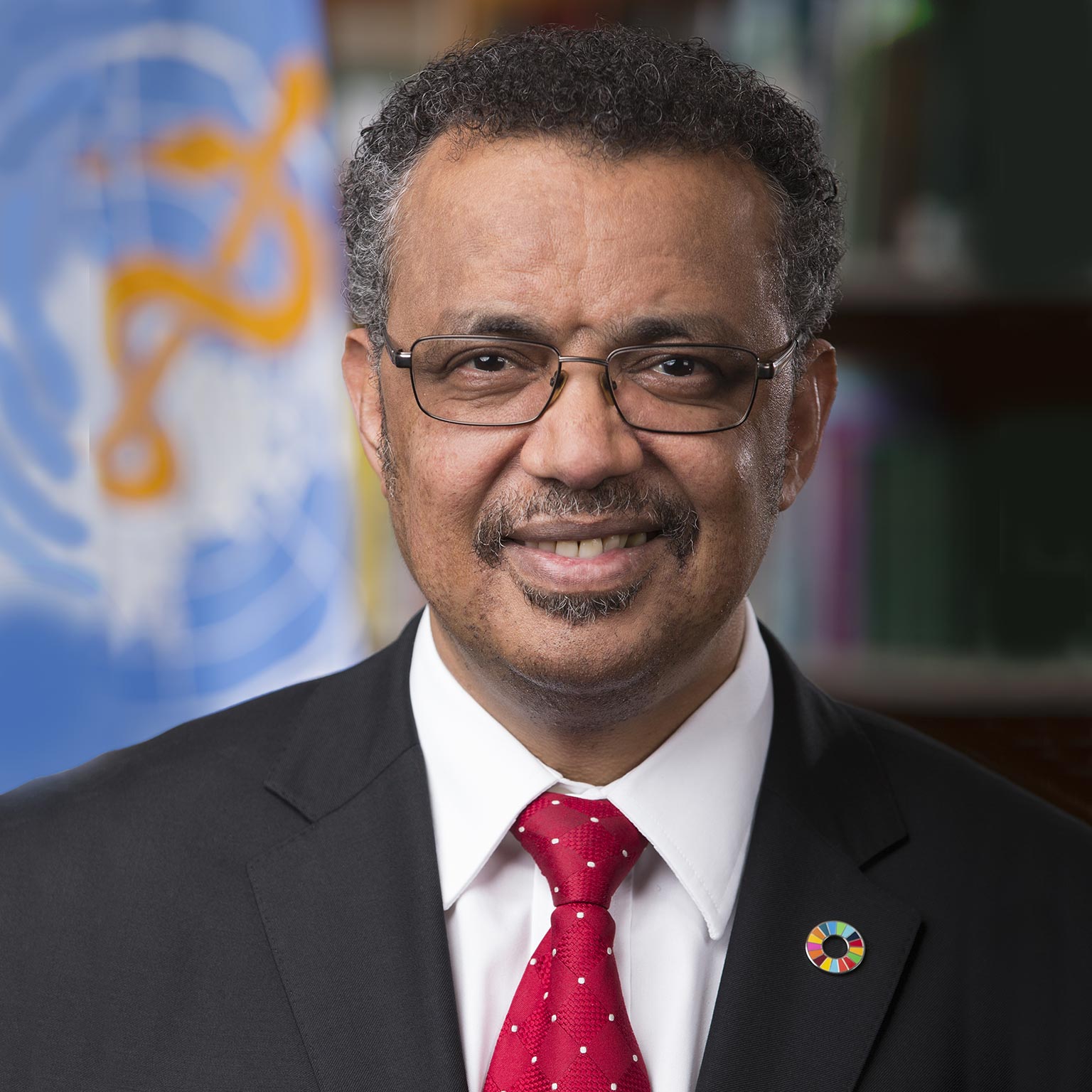
Dr. Tedros Adhanom Ghebreyesus, WHO Director-General, stated, “No one should die because safe blood is unavailable when it is needed.” The report highlights that 63.4% of blood in low-income countries comes from unpaid donors, compared to 98.4% in high-income nations, underscoring systemic gaps in sustaining reliable supplies.
What May Happen Next
WHO officials suggest that without strengthened governance and financing, disparities could persist. Nearly one-third of countries lack specific legislation to ensure blood safety, and 14% of nations report no dedicated funding for blood services. Analysts note that improved data systems and expanded quality assurance programs could mitigate these challenges, though progress depends on sustained political will.
As World Blood Donor Day approaches, campaigns emphasizing “One Drop of Humanity. Give Blood. Save Lives” aim to boost donor participation. However, experts caution that systemic reforms are necessary to address underlying inequities in blood availability and regulation.
Frequently Asked Questions
What is the global blood donation rate range? Blood donation rates vary from 0.4 to 53 donations per 1,000 people across countries.
How many countries lack blood safety legislation? Nearly one-third of countries do not have specific laws to ensure the safety and quality of blood and blood products.
What percentage of blood donations come from unpaid donors globally? Voluntary, unpaid donors accounted for 85% of the 120 million donations recorded in 2023.
How can communities address blood supply gaps in low-income regions?