
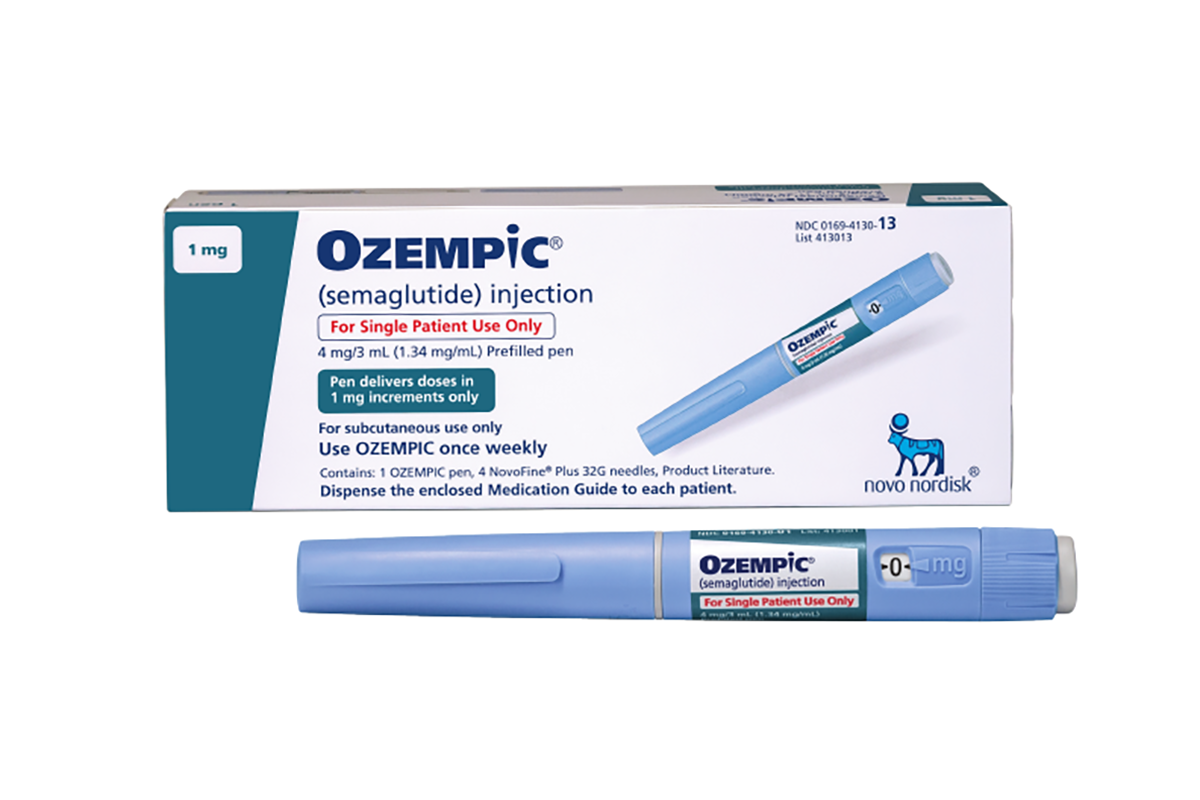
GLP-1 results, police remove researchers
Pharmaceutical companies including Eli Lilly, Novo Nordisk, and Pfizer announced new GLP-1 clinical data at the American Diabetes Association (ADA) national conference this week. The results highlighted significant weight loss and improvements in obesity-related comorbidities, while the event was marked by police escorting out researchers protesting science policy funding cuts.
Police and security staff removed several experts from the conference after they distributed copies of an editorial from the ADA’s journal, Diabetes Care. The editorial criticized the Trump administration’s science policies and detailed how funding cuts affected diabetes research.
Aaron Kelly, a professor of pediatrics at the University of Minnesota, told The New York Times that security staff asked researchers to step outside and attempted to seize the papers. Justin Ryder, another researcher, told The New York Times that police warned them they would be arrested for trespassing if they returned to the premises.
Conference organizers subsequently informed five of the researchers, including some scheduled to present, that they were no longer permitted to participate in the event.
How did retatrutide perform in Phase 3 trials?
Eli Lilly reported that its triple agonist, retatrutide, achieved 28.3% body weight loss over 80 weeks on the highest dose. The drug also reduced moderate-to-severe obstructive sleep apnea severity by 60.6% and knee osteoarthritis pain by up to 73.1%.
Lead investigator Ania Jastreboff stated these findings demonstrate the potential to treat obesity and its related complications to impact overall health. For patients with type 2 diabetes, retatrutide reduced A1C by up to 2%, with 90% of participants reaching the ADA’s general target of below 7%.
Lilly noted the drug reduced systolic blood pressure by 12.3 mmHg, non-HDL cholesterol by 24.2%, and triglycerides by up to 41%. Most common adverse effects included vomiting, constipation, diarrhea, and nausea. Approximately 14.2% of those on the highest dose experienced upper respiratory tract infections, and some reported dysesthesia.
What are the results for CagriSema and Zepbound?
Novo Nordisk announced that CagriSema, a combination of a GLP-1 receptor agonist and an amylin analog, achieved significant reductions in body weight and HbA1c. In a 68-week trial, the highest dose of CagriSema resulted in a 14.2% weight reduction, compared to 10.2% for semaglutide (Ozempic).
Martin Holst Lange, Novo Nordisk’s chief scientific officer, stated in a press release that CagriSema could be the first combination therapy of this type to address blood glucose control and weight reduction in type 2 diabetes patients.
However, a separate Phase 3 trial found CagriSema was inferior to Eli Lilly’s Zepbound (tirzepatide), with weight loss of 23% compared to 25.5% after 84 weeks. Lange told investors that Zepbound performed “unusually well on efficacy” relative to typical trials of a similar nature.
Which oral and monthly GLP-1 options are in development?
AstraZeneca presented data for elecoglipron, an oral GLP-1 that achieved 11.8% weight reduction at 36 weeks. The drug lowered HbA1c by 1.9% at 26 weeks. AstraZeneca will advance the drug to Phase 3 trials to evaluate kidney and cardiovascular outcomes.
Pfizer’s berobenatide, a once-monthly GLP-1 receptor agonist, showed 15.9% weight loss at 32 weeks and a 2.2% reduction in HbA1c at 18 weeks. Jim List, Pfizer’s chief internal medicine officer, said this supports a Phase 3 program consisting of 10 studies for obesity-related comorbidities and weight management.
Additionally, Ascletis reported that its oral drug ASC30 showed weight loss of up to 7.7% at week 13 during Phase 2 trials. The company noted ASC30 had about half the vomiting rate of orforglipron when titrated weekly.
What happens next for these treatments?
Several of these drugs may move into expanded clinical phases. AstraZeneca is likely to evaluate elecoglipron’s impact on the heart and kidneys in upcoming Phase 3 trials.
Pfizer is currently enrolling participants for the VESPER-6 Phase 3 study for monthly maintenance dosing of berobenatide. The company is also investigating the combination of berobenatide with an ultra-long-acting amylin analog (PF’3945) in the SOLIS-1 Phase 2b study.
Frequently Asked Questions
What was the maximum weight loss seen with retatrutide?
Retatrutide showed 28.3% body weight loss over 80 weeks on the highest dose, according to Eli Lilly.
How does CagriSema compare to Ozempic?
In a 68-week trial, the highest dose of CagriSema achieved a 14.2% reduction in body weight, while the same dose of semaglutide (Ozempic) showed a 10.2% reduction, Novo Nordisk announced.
Is there a monthly option for GLP-1 treatment?
Pfizer is developing berobenatide, a once-monthly GLP-1 receptor agonist that achieved 15.9% weight loss at 32 weeks.
How do you feel about the transition from weekly injections to monthly or oral weight loss medications?