
Glute Bridge Hold Test: How Strong Are Your Glutes After 60?
For adults over 60, holding a glute bridge for more than 90 seconds represents top-tier strength, hip control, and muscular endurance, according to USAW National Coach and personal trainer Jarrod Nobbe. This exercise serves as a fundamental movement to improve stability in daily tasks such as climbing stairs, standing from a chair, or walking, by ensuring the glutes—rather than the lower back or hamstrings—power the hips.
Why Glute Strength Matters After 60
Strong glutes are essential for maintaining independence and mobility as one ages. According to Nobbe, the glute bridge is a primary tool for teaching proper hip extension, a movement pattern required for almost every lower-body action. By strengthening the glutes, individuals can distribute force more evenly through the legs, which protects the knees and lower back from excessive stress.

The exercise also emphasizes pelvic control. When the glutes are engaged alongside a braced core, the pelvis remains level and the ribs stay connected to the hips. This alignment is critical for posture, balance, and overall physical resilience in everyday life.
The glute bridge is frequently used by coaches as a diagnostic tool. By observing a client during a bridge hold, a coach can determine if the individual is properly utilizing their glutes or incorrectly shifting the workload into their hamstrings or lower back.
How to Perform a Proper Bridge Hold
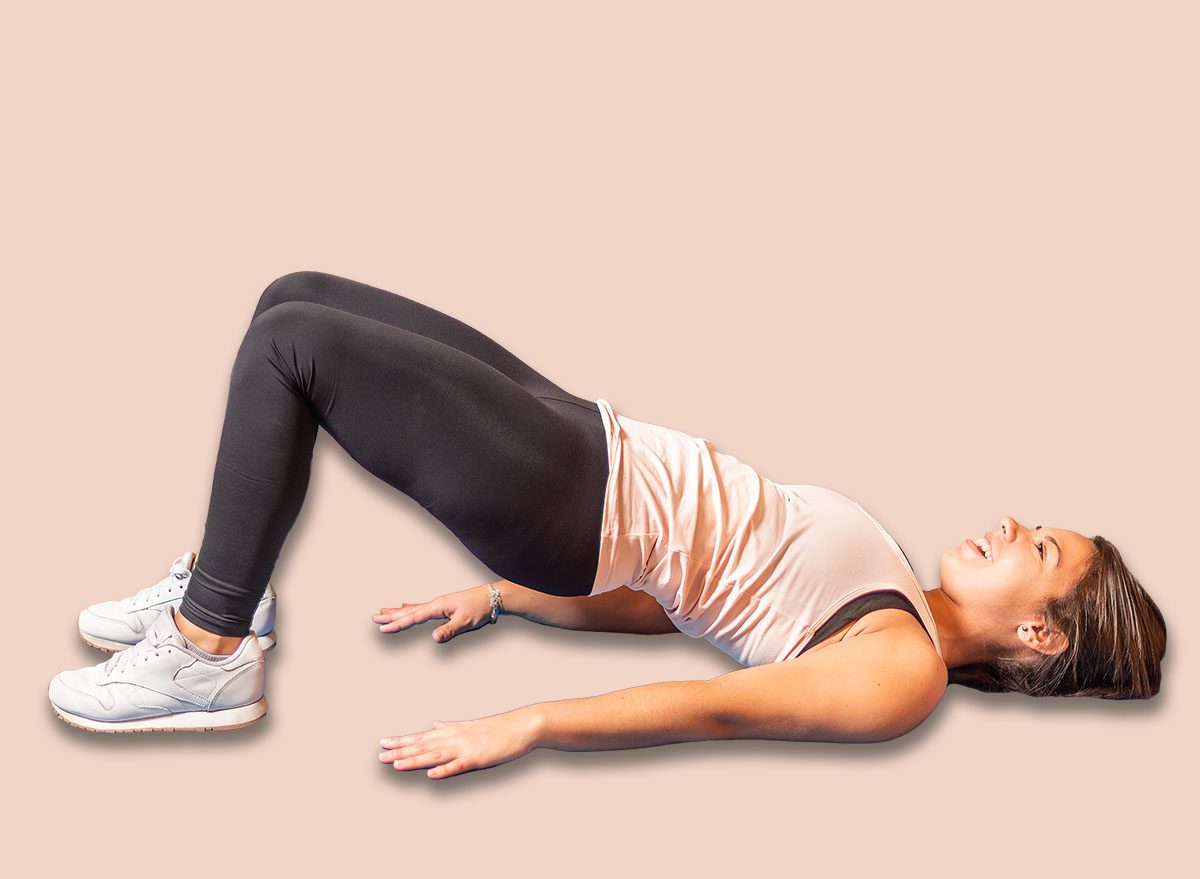
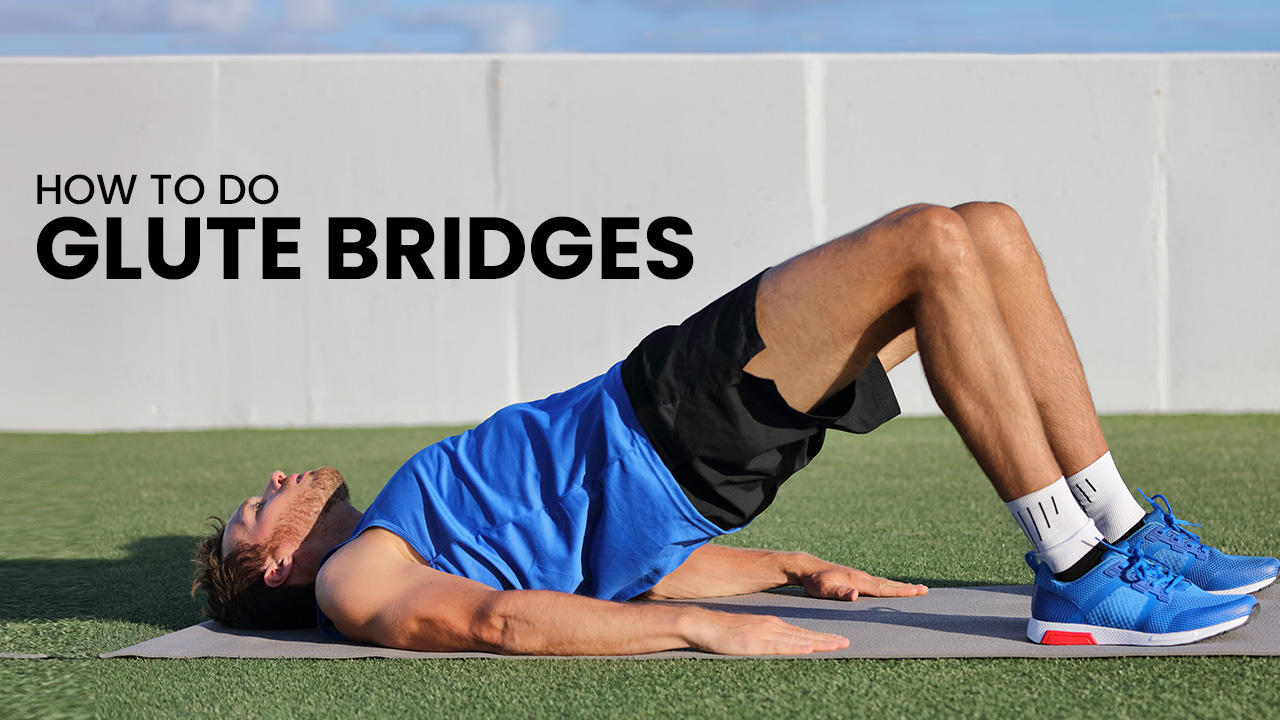
To execute a bridge correctly, begin by lying on your back with knees bent and feet flat on the floor, spaced at hip-width. According to Nobbe, form is paramount: the hold only counts while the body maintains a straight line from the shoulders to the knees. If the hips drop or the form breaks, the set is complete.

Step-by-step technique:
- Brace the core by tightening the midsection before initiating movement.
- Press firmly through the heels to lift the hips.
- Squeeze the glutes at the top of the movement while keeping the ribs down and the pelvis level.
- Maintain steady breathing while holding the position.
The transition from simple repetitions to static holds represents a shift from basic movement to functional endurance. While repetitions build initial strength, the sustained hold tests an individual’s ability to maintain structural integrity under fatigue, which is a more accurate indicator of how the body will perform during prolonged daily activity.
Evaluating Your Hold Time
Nobbe categorizes glute strength based on the duration a person can maintain a clean, level-hip bridge position. These benchmarks help track progress and identify areas for improvement:
- Under 30 seconds: Indicates the foundation-building phase. Focus on isolating the glutes and maintaining a level pelvis.
- 30 to 60 seconds: Represents a solid base of control and endurance.
- 60 to 90 seconds: Indicates strong performance, where the body maintains tension as effort increases.
- 90+ seconds: Represents a top-tier level of glute strength and hip stability.
What May Happen Next
For those currently in the foundation phase, consistent practice is likely to yield improvements in both hold times and daily movement quality. By incorporating two to three sessions per week and gradually adding variations—such as single-leg bridges, marching bridges, or banded holds—individuals may see increased muscular adaptation. As glute strength improves, it is expected that the body will handle daily physical demands with greater control, potentially reducing the reliance on the lower back for support.
Frequently Asked Questions
What is the most important part of the bridge setup?
According to Nobbe, the most critical elements are bracing the core, planting the feet, and creating tension through the hips before the pelvis leaves the floor to ensure the glutes do the majority of the work.
Can I improve my glute strength if I currently hold for less than 30 seconds?
Yes. Nobbe recommends focusing on shorter, controlled sets of 20 to 40 seconds to build the foundation, gradually increasing the duration as form stabilizes.
Why does the coach prefer bridges over other exercises for warm-ups?
Bridges are used to “wake up” the hips and provide immediate feedback, allowing the coach to see if the glutes are firing correctly before moving into more complex movements like squats or deadlifts.
How often do you incorporate static holds into your current physical activity routine?