Google and UCSD Turn Old Pixel Phones Into Mini Data Centers
Researchers at the University of California San Diego (UCSD), in partnership with Google, are repurposing discarded Pixel smartphones into functional, low-cost data center clusters. By removing non-essential hardware like batteries and screens, the team creates Linux-based server nodes managed via Kubernetes, offering schools and universities a sustainable alternative to expensive cloud infrastructure while curbing electronic waste.
How Old Smartphones Become Servers
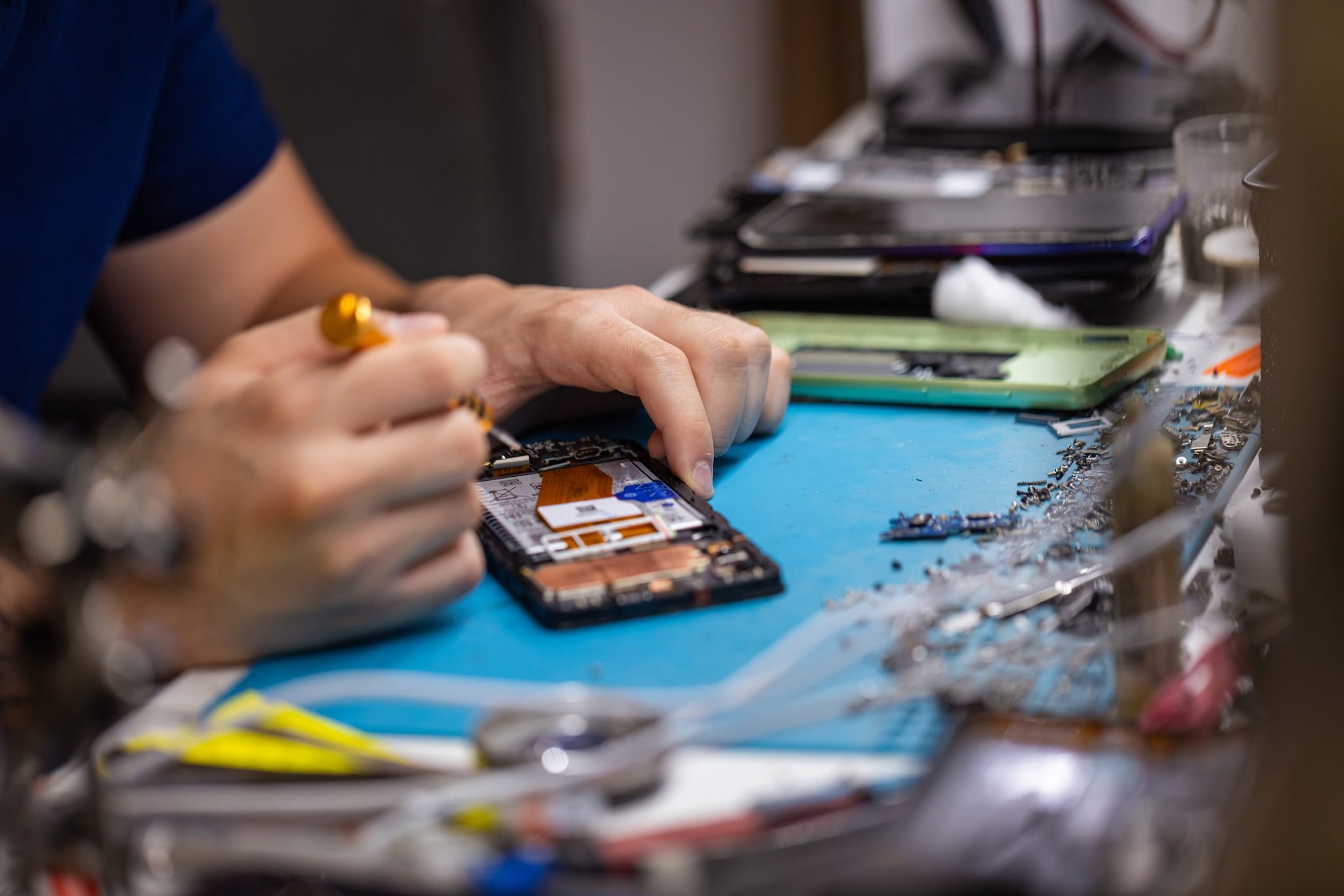
The transformation process relies on the fact that even three-year-old smartphones contain powerful processors and efficient hardware accelerators, according to technical documentation released by Google. UCSD researchers strip the devices down to their motherboards, effectively discarding the “peripherals” that make a phone a phone—such as cameras, batteries, and outer casings. These bare-board units are then loaded with a Linux distribution optimized for server tasks.
To turn individual phones into a cohesive system, the team uses Kubernetes. This open-source platform orchestrates the cluster, allowing dozens of phones to act as a single, unified computing entity. According to the UCSD project findings, a cluster of 20 devices is sufficient to support a university classroom of 75 students, providing automated grading and other educational services with latency comparable to traditional cloud providers.
A study presented by researchers at Bocconi University in 2025 found that one in three Italians replaces their smartphone every few years, despite the device remaining in perfect working condition. This behavior is a primary driver of the global electronic waste (RAEE) crisis.
Can Repurposed Phones Replace Enterprise Data Centers?
While this project offers a sustainable path forward for academic environments, it is not currently a replacement for massive commercial cloud operations. Industry experts note a significant contrast: enterprise data centers prioritize extreme standardization and 24/7 reliability, while smartphone clusters face hurdles regarding long-term thermal management and hardware heterogeneity.
According to the UCSD research team, the next phase involves scaling the infrastructure to 2,000 Pixel devices. This scale tests the limits of managing thousands of diverse components compared to the uniform rack-mount servers typically found in professional data centers. While large-scale cloud providers may not adopt this model, it provides a viable, low-cost computing solution for research centers and educational institutions with limited budgets.
The Environmental Impact of Reusing Hardware
Repurposing smartphones directly addresses the environmental footprint associated with manufacturing. Every new device requires the extraction of raw materials, energy-intensive assembly, and global transportation. By extending the lifecycle of a motherboard by three to five years, this initiative reduces the volume of electronic waste sent to landfills.
Data from the UCSD study suggests that shifting toward “upcycled” computing infrastructure could lower the barrier to entry for digital research. For universities, the ability to build a private cluster from hardware that would otherwise be discarded represents a significant shift in how educational institutions approach both IT costs and environmental sustainability targets.
Frequently Asked Questions
- Do these smartphone servers use batteries? No. As part of the repurposing process, researchers remove batteries to prevent swelling and safety risks, powering the boards directly instead.
- What operating system runs on these phones? The original Android software is replaced with a Linux distribution designed for server-side processing and container orchestration.
- How many phones are needed for a functional cluster? According to the UCSD experiments, a minimum of 25 to 50 smartphones is required to establish a useful level of computing power for academic tasks.
- Is this technology available for home use? While the project is currently focused on academic and research environments, the use of Kubernetes and Linux means the architecture is technically replicable by those with advanced hardware knowledge.
Have you ever repurposed an old device to keep it out of a landfill? Share your experience in the comments below or subscribe to our newsletter for more updates on sustainable technology trends.