
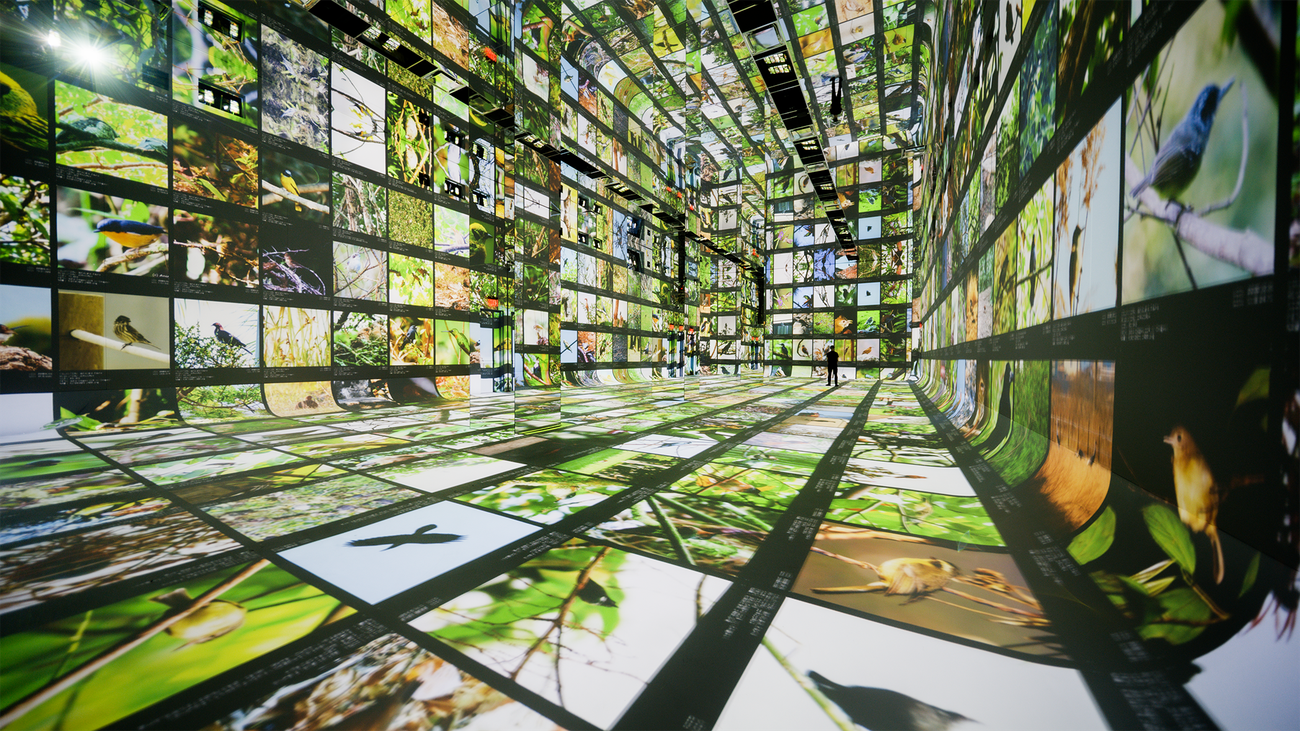
Google Arts & Culture Supports Dataland AI Artist Residency for Digital Creators
Google Arts & Culture is funding the Dataland AI Artist Residency, a six-month incubator providing four artists with $25,000 grants and mentorship from Refik Anadol Studio. The program grants creators direct access to Google Cloud machine learning models to develop digital works for the Dataland global stage and the Google Arts & Culture website.
How are AI artist residencies changing digital creation?
Institutional support is shifting from traditional studio space to providing high-compute infrastructure. The Dataland AI Artist Residency model moves beyond simple software access by pairing financial grants with expert mentorship from Refik Anadol Studio, according to program details.
This structure addresses a primary barrier in AI art: the “compute gap.” While many creators use consumer-grade AI, the ability to train custom models on massive datasets requires industrial-scale hardware. By providing Google Cloud tools, the residency allows artists to move from prompting existing models to shaping the underlying machine learning processes.
Why does cloud-based machine learning matter for the next generation of artists?
Access to Google Cloud tools removes the need for artists to own expensive GPU clusters. According to the Google Cloud customer case study on Refik Anadol Studio, the integration of cloud computing allows for the processing of immense datasets that would crash standard workstations.
This trend suggests a future where the “studio” is a virtual environment. Artists no longer need physical galleries to experiment with scale; they can build immersive environments that exist as code and are projected onto global stages. This democratization allows creators from diverse geographic backgrounds to compete with established studios.
The shift from tools to collaborators
The residency emphasizes that creators should “actively shape” these tools. This marks a transition in the industry. Artists are moving away from using AI as a digital paintbrush and toward treating the algorithm as a collaborator that can uncover patterns invisible to the human eye.
What is the link between AI art and environmental awareness?
Dataland identifies a connection between machine intelligence, human artistry, and “environmental awareness.” This aligns with a growing trend of “Data Art” used to visualize climate change and ecological shifts.
By using machine learning to analyze environmental data, artists can create visceral, emotional representations of scientific facts. For example, turning ocean temperature data into a visual wave creates a sensory connection to climate change that a spreadsheet cannot provide. This approach transforms abstract data into a tool for public connection and advocacy.
Comparison: Traditional Residencies vs. AI Incubators
| Feature | Traditional Artist Residency | AI Incubator (e.g., Dataland) |
|---|---|---|
| Primary Resource | Physical studio/Housing | Cloud compute/ML models |
| Support System | Curatorial guidance | Technical mentorship/Engineering |
| Output | Physical exhibition | Digital installations/Global web platforms |
Frequently Asked Questions
How much funding do Dataland AI artists receive?
Each of the four selected artists receives a $25,000 grant to support their work during the six-month residency.

Who provides the technical mentorship for the program?
Mentorship is provided by Refik Anadol Studio, a leader in the field of data-driven AI art.
Where will the residency work be displayed?
The finished projects will be featured on the Dataland global stage and the Google Arts & Culture website.
What tools are provided to the artists?
Artists get direct access to advanced Google Cloud tools and machine learning models to facilitate their creative process.
What do you think about the role of corporate funding in AI art? Does access to Google Cloud tools democratize art or concentrate power? Let us know in the comments below or subscribe to our newsletter for more updates on the intersection of tech and creativity.