

Google Cloud cuts its own cyber threat hunters as Mandiant layoffs hit security division
The AI Pivot: Why Tech Layoffs Are Just the Beginning of a Massive Workforce Shift
For years, the narrative around Big Tech was one of infinite growth and “perks-heavy” corporate cultures. But the tide has turned. Recent workforce reductions at Google Cloud—specifically hitting elite units like the Threat Intelligence Group and Mandiant—signal something deeper than mere cost-cutting. We are witnessing a fundamental reallocation of capital.
Companies are no longer just trimming fat. they are swapping human headcount for compute power. This “AI Pivot” is reshaping not only who gets hired but how the global economy functions during a period of intense volatility.
The Great Reallocation: From Payroll to GPU
When Google, Meta, or Cloudflare cite “AI investment” as the reason for layoffs, they aren’t just using a buzzword to appease shareholders. They are shifting their balance sheets. The cost of training a frontier Large Language Model (LLM) and maintaining the necessary H100 GPU clusters is astronomical.
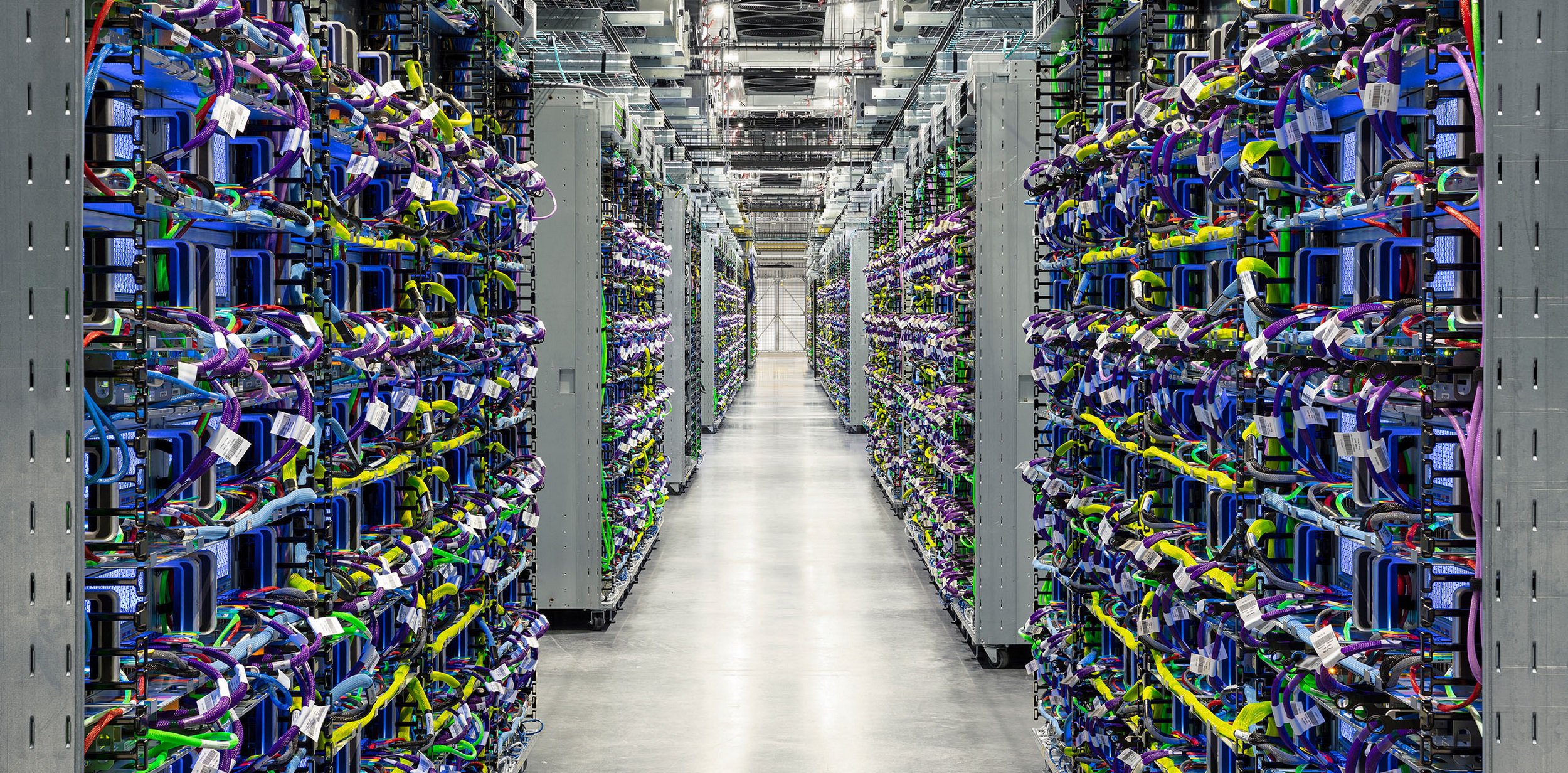
In the past, scaling a product meant hiring more engineers, project managers, and UX designers. Today, the goal is “efficiency through automation.” The trend is moving toward smaller, more elite teams that can orchestrate AI agents rather than managing large armies of manual contributors.
The Security Paradox: Risking the Guardrails
One of the most concerning trends is the reduction of specialized security teams. Google’s Threat Intelligence Group is world-renowned for tracking state-sponsored hackers. Cutting these roles while simultaneously integrating AI into every product creates a dangerous paradox.
AI expands the “attack surface” for hackers. From prompt injection to AI-driven phishing, the threats are evolving faster than ever. When companies reduce their human intelligence capabilities to fund AI development, they may be building a faster car but removing the brakes.
Future trends suggest we will see a surge in “AI Security” (AISec) as a standalone discipline. While generalist roles are disappearing, specialists who can secure AI pipelines will become the most sought-after professionals in the market.
Macroeconomic Echoes: The US and UK Connection
The tech sector doesn’t exist in a vacuum. The rise in US unemployment claims and the surge in UK redundancy notices are symptoms of a broader economic fragility. In the UK, energy price shocks and geopolitical instability in the Middle East have created a “perfect storm” for businesses.
We are seeing a correlation between high interest rates and the urgency of AI adoption. When borrowing money is expensive, companies must find internal efficiencies to maintain margins. AI is the most attractive lever they have.
For a deeper dive into how this affects global markets, check out our analysis on global economic headwinds.
The Shift Toward “Fractional” Expertise
As full-time corporate roles vanish, we expect a rise in the “Fractional Executive” and high-end consultancy model. Companies are realising they don’t need a full-time VP of a specific function when they can hire a world-class expert for 10 hours a month to guide their AI implementation.
This shift mirrors the “gig economy” but at the white-collar, executive level. It offers more freedom for the worker but removes the safety net of traditional employment.
Navigating the New labour Landscape
If you are in tech, the goal is no longer “stability”—because stability is a myth in the age of generative AI. The goal is “adaptability.” The workers who survive this transition are those who treat their skill set like a software product: constantly updating, patching, and pivoting based on market demand.
Relevant skills to prioritize include:
- AI Governance: Understanding the legal and ethical frameworks of AI.
- Hybrid Cloud Security: Protecting data as it moves between on-prem and AI clouds.
- Strategic Prompting: Moving beyond basic queries to complex, multi-step AI workflows.
For more insights on staying relevant, read our guide on upskilling for the AI era.
Frequently Asked Questions
Is AI actually replacing jobs, or is it just an excuse for layoffs?
It is both. While AI is replacing specific tasks (like basic coding or UX drafting), companies are using the AI transition as a strategic window to reduce headcount and lower operational costs.

Which tech roles are safest from AI-driven layoffs?
Roles that require high-stakes emotional intelligence, complex physical intervention, or deep strategic accountability (where a human must “sign off” on a risk) remain the most secure.
Why are security teams being cut during a cyber-threat surge?
Many companies are betting that AI-driven security tools can replace human analysts. However, this is a gamble, as AI often struggles with the “intuition” required to spot novel, state-sponsored attacks.
Join the Conversation
Do you believe AI is a genuine replacement for human expertise, or is it simply a tool for corporate restructuring? Share your thoughts in the comments below or subscribe to our newsletter for weekly insights on the future of work.