
Google Plans to Release 32 Million Mosquitoes to Combat Disease Using AI
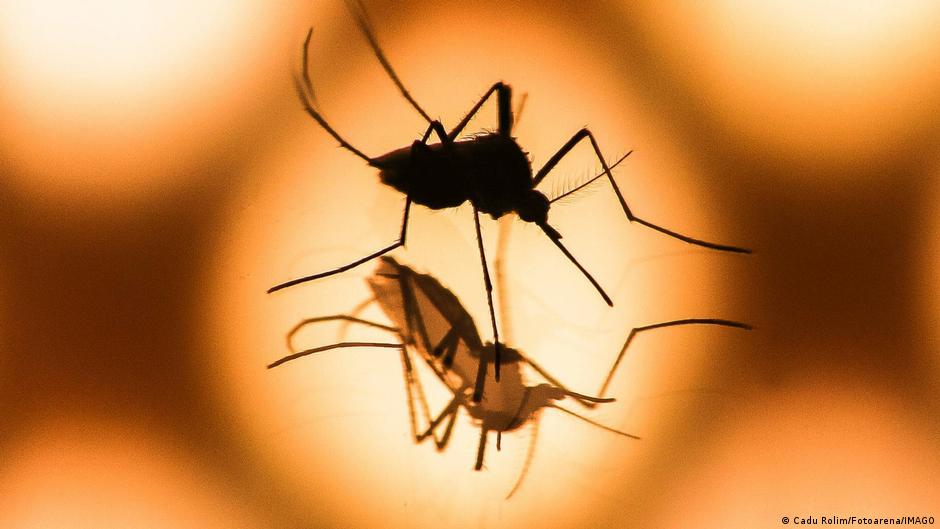
Google has officially requested authorization from U.S. Authorities to release up to 32 million mosquitoes across California and Florida over the next two years. This initiative, known as the “Debug” project, is designed to curb the populations of mosquito species responsible for transmitting serious illnesses, including dengue, Zika, chikungunya, and West Nile virus.
The Mechanics of Biological Control
The project leverages artificial intelligence to facilitate the mass production of mosquitoes, a process that has historically been a significant technical challenge. Specifically, the technology automates the breeding process using assembly-line style machines, while AI-driven systems are employed to precisely sort male mosquitoes from females.
The core strategy relies on the release of male mosquitoes only, which do not bite. These males are treated with Wolbachia, a naturally occurring bacteria found within the cells of many insects. When these males mate with wild female mosquitoes, the resulting offspring are unable to survive, leading to a gradual decline in the overall population of the targeted species.
Strategic Targeting and Past Success
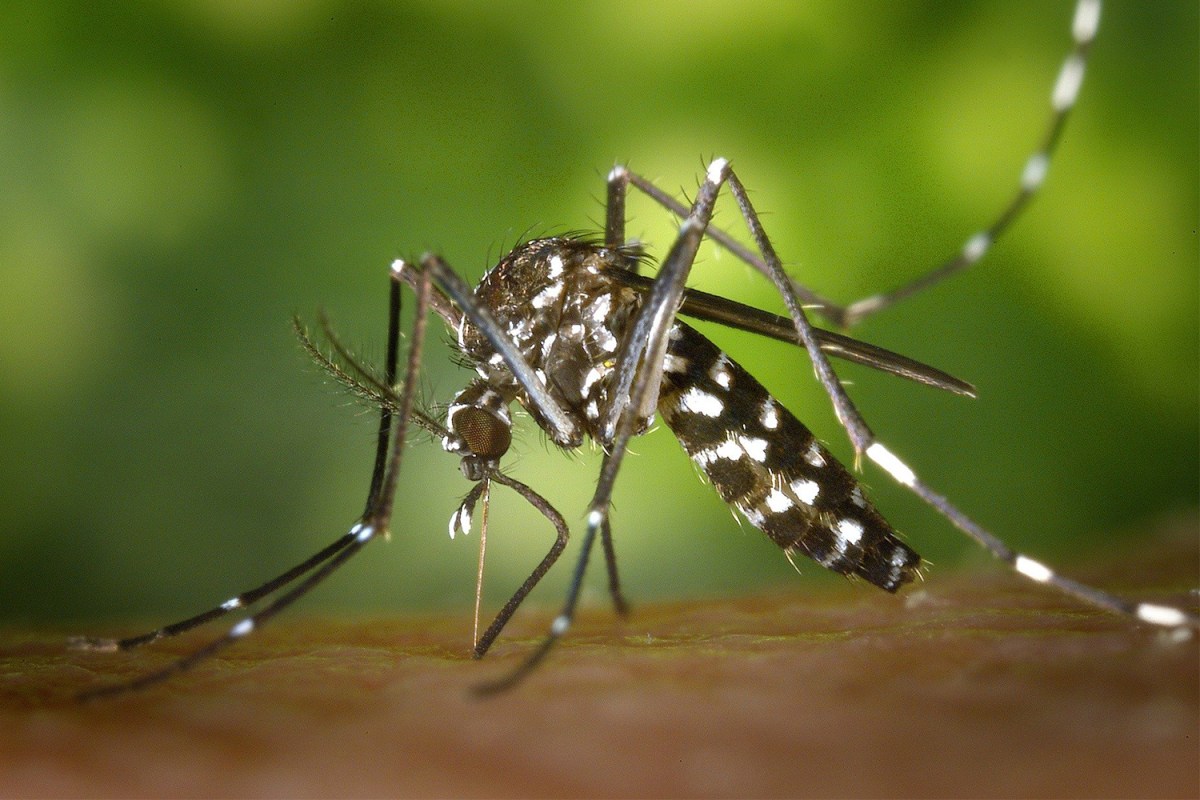
Google’s efforts have previously focused on the Aedes aegypti mosquito, an invasive species originally from Africa that feeds exclusively on human blood. In Singapore, the company reported that the release of millions of Wolbachia-carrying male mosquitoes resulted in an 80 to 90 percent reduction in the Aedes aegypti population within six to twelve months. This decline was accompanied by a reported decrease in dengue fever cases of more than 70 percent.
The current proposal for the U.S. Expansion aims to address a different species, Culex quinquefasciatus, which is known for its ability to transmit the West Nile virus. By applying the same methodology used in previous trials, the project seeks to mitigate the public health risks associated with these vectors.
Future Implications
If the request is granted, the implementation could lead to a localized reduction in the populations of disease-carrying mosquitoes in the designated regions. Analysts expect that if the results mirror the successes observed in Singapore, the project could provide a scalable model for managing viral outbreaks. However, the effectiveness of the intervention remains contingent on the successful deployment of the Wolbachia-carrying males and the subsequent impact on the reproductive cycles of local wild populations.
Frequently Asked Questions
What is the primary goal of the Debug project?
The project aims to reduce the populations of mosquito species that transmit diseases such as dengue, Zika, chikungunya, and West Nile virus.
Why are only male mosquitoes released?
Male mosquitoes do not bite humans. When they carry Wolbachia bacteria and mate with wild females, the resulting offspring are unable to survive, which causes the target mosquito population to decrease over time.
How is artificial intelligence involved in this process?
Google uses AI to manage the mass production of mosquitoes by automating breeding machines and accurately sorting male mosquitoes from females.
What are your thoughts on using large-scale biological interventions to manage public health risks in your community?