
Google to Release Millions of Sterile Mosquitoes to Combat Dengue
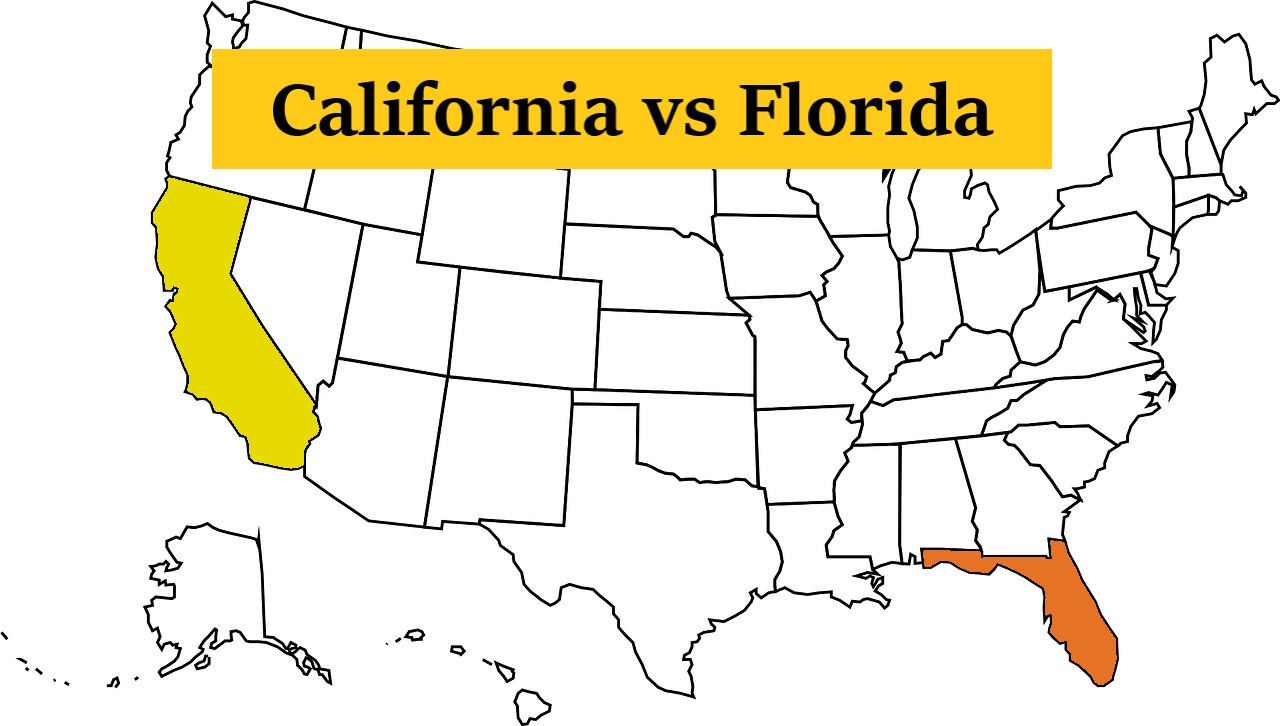
Google is seeking U.S. Environmental Protection Agency (EPA) approval to release up to 64 million sterile male mosquitoes in California and Florida over two years. According to the Los Angeles Times, the project uses Wolbachia bacteria to prevent eggs from hatching, aiming to curb populations of mosquitoes that transmit diseases like dengue fever.
A Federal Register notice indicates California could receive 32 million mosquitoes, split into 16 million releases during the first year and 16 million in the second. The initiative targets specific invasive mosquito species without using chemical pesticides.
How does the Wolbachia mosquito project work?
The technique relies on releasing male mosquitoes that do not bite humans. These insects carry a natural bacteria called “Wolbachia,” which prevents eggs from hatching when the males mate with wild females. This biological approach uses the insect’s own biology to reduce the overall population over time.
The Centers for Disease Control and Prevention (CDC) confirms that Wolbachia does not make humans or animals sick. Because the method targets a specific species, it may reduce the need for broad-spectrum chemical spraying that often affects other insects and wildlife.
Why is this project being launched in California and Florida?
Changing weather patterns and rising temperatures are expanding mosquito habitats into previously unaffected areas. The California Department of Public Health reports that mosquito species capable of carrying dengue are already present in parts of the state.
Public health officials view these developments as a climate-linked health warning rather than a seasonal nuisance. The project seeks to address these risks before mosquito-borne illnesses become more widespread in these regions.
What are the potential ecological and social risks?
Producing, sorting, and transporting millions of insects requires dedicated factories and constant energy. Experts suggest the technology’s success depends on continuous repetition rather than a single campaign.
Some specialists argue that removing invasive urban mosquitoes rarely threatens the ecosystem since they aren’t essential to the food chain. However, there’s a risk that other species could fill the resulting ecological void, which may require long-term monitoring.
Social concerns center on transparency. Local communities may require detailed information on release locations and clear accountability for unexpected outcomes before trusting the introduction of living organisms into the environment.
What evidence exists for this technology’s success?
International data provides a precedent for the project. Singapore’s National Environment Agency reported a significant drop in Aedes aegypti mosquitoes in areas where Wolbachia was used.
Additionally, the World Mosquito Program reported that a trial in Indonesia reduced dengue infections by 77%. However, results may vary by city, as local humidity, temperature, and environment could influence the outcome.
What happens next?
If the EPA grants approval, the project could begin the phased release of millions of mosquitoes across the two targeted states. Success would likely depend on the ability to maintain production scales and the consistency of the releases over the two-year window.
Future steps may include expanding the program to other states if the California and Florida trials show a measurable decline in disease-carrying populations. Monitoring will likely focus on whether the population reduction leads to a corresponding drop in local dengue cases.
Frequently Asked Questions
What is Wolbachia?
It is a natural bacteria used to sterilize male mosquitoes, ensuring that eggs produced after mating with wild females do not hatch.
Will these mosquitoes bite people?
No. The project involves the release of male mosquitoes, which do not bite humans.
How many mosquitoes will be released in California?
According to the Federal Register, California may receive up to 32 million mosquitoes over two years, at a rate of 16 million per year.
Do you believe biological interventions are a better alternative to chemical pesticides for controlling pests?