
Gott, Matuška a Pilarová: Jak rozčílili sovětskou delegaci
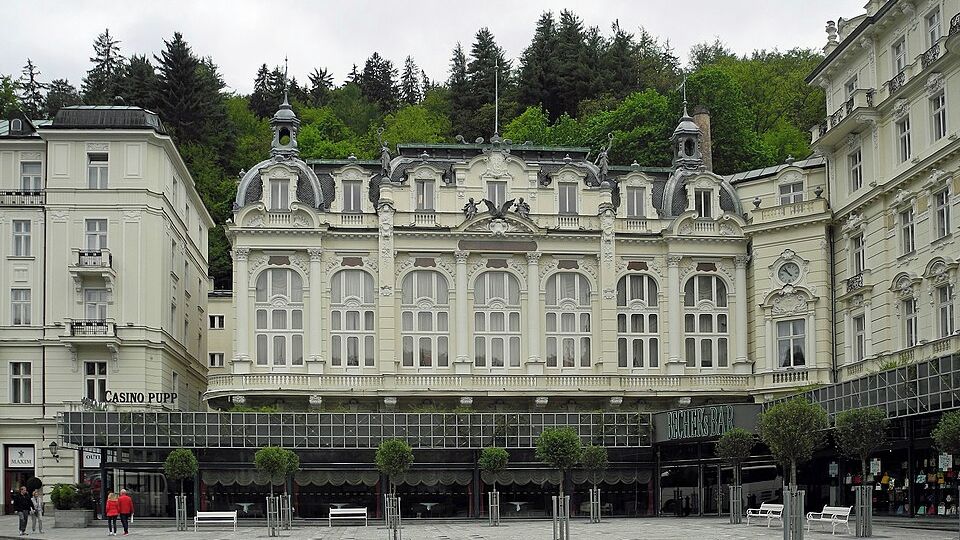
A persistent urban legend alleging that singers Waldemar Matuška, Eva Pilarová, and Karel Gott urinated from a Grandhotel Pupp balcony onto a foreign delegation during the 1960s filming of Kdyby tisíc klarinetů is entirely unfounded. Despite decades of rumors, there is no evidence the incident occurred, and the story has been widely characterized as a fabrication used to damage the reputations of the popular artists.
Origin and Evolution of the Rumor
The story first emerged in the 1960s, suggesting that the three artists, fueled by alcohol at the Karlovy Vary hotel, relieved themselves onto a passing Soviet, Ukrainian, or Romanian delegation. Over time, the narrative gained elaborate details, with claims that Karel Gott sang his hit “Tam, kde šumí proud” while Waldemar Matuška shouted rhythmic insults. According to accounts of the period, the story was so pervasive that it spread “from Šumava to the Tatras,” causing significant distress to the artists’ families.
Did You Know?
In 2008, presenter Aleš Cibulka and singer Yvonne Přenosilová visited the Grandhotel Pupp to secure an official certificate confirming that Eva Pilarová never performed such an act from the hotel balcony.
The Role of Disinformation
Historical analysis suggests the rumor may have been a deliberate campaign by the State Security (STB) to dehonestate public figures. Similar tactics were employed against other artists, such as Marta Kubišová, who was targeted with fabricated pornographic images. By framing the trio as vulgar, intoxicated individuals, the authorities sought to undermine their popularity. The lack of factual consistency—with the story being attributed to various locations including Karlovy Vary, Františkovy Lázně, and Mariánské Lázně—further indicates the tale was a fictional construct rather than a recorded event.
Expert Insight:
The persistence of this rumor highlights the vulnerability of high-profile celebrities to state-sponsored disinformation during the 1960s. By leveraging public envy of the artists’ success and access to luxury, such narratives effectively weaponized moral outrage to erode the public standing of cultural icons.
Consequences and Future Outlook
While the story has been debunked, it remains a case study in how disinformation campaigns can haunt public figures for decades. It is likely that the legend will continue to be cited in cultural retrospectives as an example of propaganda techniques from the era. Analysts expect that as more archival material regarding STB tactics becomes available, the origin of such cultural myths will become clearer to the public, potentially stripping the remaining mystery from these long-standing rumors.

Frequently Asked Questions
Did Karel Gott ever admit to the incident?
No. The story is considered a fabrication with no basis in reality, and there is no evidence or admission from any of the involved artists confirming the event took place.
Why were the locations of the incident inconsistent?
The story was reported to have occurred in different spa towns, including Karlovy Vary, Františkovy Lázně, and Mariánské Lázně, which experts point to as evidence that the tale was a baseless rumor rather than a factual account.
What was the motivation behind the rumor?
According to historical context, the rumor was likely a tool used by the STB to dehonestate popular personalities by portraying them as vulgar, intoxicated individuals in the eyes of the public.
How do modern digital verification methods change the way we perceive historical celebrity rumors?