
Govt decides to end fuel subsidy after price cut
The Pakistani federal government has discontinued its fuel subsidy program following a sharp drop in international petroleum prices, according to a decision approved by Prime Minister Shehbaz Sharif. The National Steering Committee on fuel subsidy determined that the benefits of declining global prices have already reached consumers.
Why did the government end the fuel subsidy?
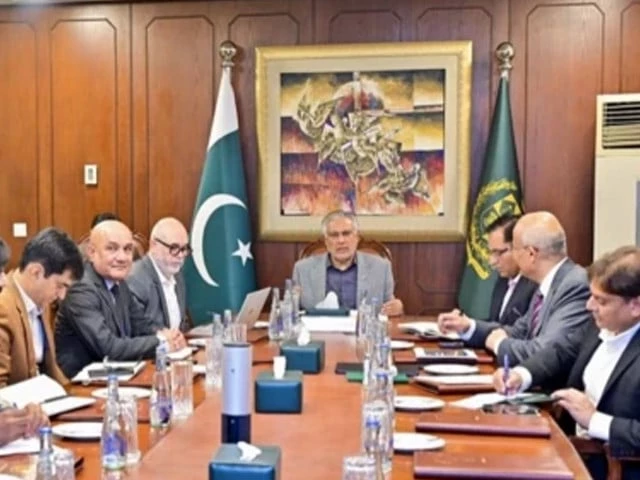
Deputy Prime Minister and Foreign Minister Senator Ishaq Dar chaired the seventh meeting of the National Steering Committee to review the program’s rollout. The committee noted that global fuel prices declined significantly, making the subsidy scheme unnecessary. Consequently, the group agreed to end the initiative with the Prime Minister’s approval.

Senator Ishaq Dar directed that the entire exercise be documented. He also instructed officials to address gaps in data and service delivery to potentially strengthen future policy measures and improve public service mechanisms.
Who received support under the fuel subsidy scheme?
The relief package targeted motorcyclists, small farmers, and the transport sector across all provinces, Gilgit-Baltistan, and Azad Jammu and Kashmir. According to the government, motorcyclists received a subsidy of Rs100 per litre, while small farmers were provided Rs1,500 per acre in assistance.
The program also provided one month of support for freight and public transport vehicles. The specific monthly subsidies were:
- Public transport buses: Rs100,000
- Large trucks: Rs80,000
- Small trucks: Rs70,000
What caused the initial price surge?
The government originally launched the subsidy package to shield the public from rising costs triggered by tensions in the Gulf region and the US-Iran conflict. While the government initially decided to absorb the burden of the price surge, it eventually increased petroleum product prices as costs rose.
The decision to end the program involved a wide range of officials. Attendees at the steering committee meeting included SAPM Tariq Bajwa, the governor of the State Bank of Pakistan, federal secretaries of IT and petroleum, and senior representatives from AJK, G-B, and all provinces.
What happens next?
The government may use the documented gaps in service delivery to refine how it distributes aid. Future relief measures could be more data-driven if the instructions from Senator Ishaq Dar are implemented. Depending on international market trends, the government may adjust petroleum pricing further as global costs fluctuate.

Frequently Asked Questions
Who approved the decision to stop the fuel subsidy?
The decision was taken with the approval of Prime Minister Shehbaz Sharif.
How much assistance did small farmers receive?
Small farmers were provided Rs1,500 per acre in assistance.
Which transport vehicles received the highest monthly subsidy?
Public transport buses received the highest monthly subsidy at Rs100,000.
Do you think targeted subsidies for farmers and transport workers are the most effective way to handle global fuel price volatility?