

Greece Pet Regulations: Beaches, Transport, and Fines
Greek legislation imposes fines up to €300 for pet owners who violate leash laws or hygiene regulations. According to Greek authorities, pets are allowed on free beaches and public transport provided they have a microchip and veterinary passport, though access to “Blue Flag” beaches is frequently restricted.
Why are Greek beach rules changing for pet owners?
Greek law distinguishes between free and organized beaches. According to the legislation, dogs can visit free beaches and enter the sea, but they must remain on a leash and under constant owner control when on land. Organized beaches only allow pets if explicitly permitted, and many locations with “Blue Flag” certification prohibit dogs entirely.

This divide suggests a trend toward stricter environmental zoning. As more Mediterranean coasts seek “Blue Flag” status to attract high-end tourism, pet owners will likely find fewer accessible organized spaces. The conflict between eco-certification and pet-friendly travel creates a landscape where “free” areas become the primary refuge for travelers with animals.
How do ferry and bus regulations affect large dogs?
Transport rules in Greece vary by animal size. Greek authorities state that large dogs on ferries must stay in designated cages or open-air spaces. They are banned from enclosed common passenger areas and must be leashed while moving across decks.

Small pets have more flexibility. They can enter both enclosed and open areas of a ferry if they are in a transport carrier and the captain grants permission. On intercity buses, small dogs and cats must remain in carriers held by the owner. Large dogs require both a leash and a muzzle, with carriers holding the right to set additional terms.
The current reliance on “captain’s permission” and “carrier discretion” points toward a future need for standardized pet-transit protocols. As pet travel increases, the industry may move away from discretionary approval toward guaranteed pet-cabin bookings to reduce onboard conflicts.
What documentation is mandatory for pets entering Greece?
Greek authorities require all pets to have a veterinary passport or health book. This documentation must prove the animal has a microchip and is up to date on all mandatory vaccinations.
The strict enforcement of these documents serves as a barrier against zoonotic diseases. Future trends indicate a shift toward digital health certificates. Moving from paper passports to EU-wide digital IDs would allow Greek authorities to verify vaccination status instantly via QR codes, reducing boarding delays at ports and borders.
What are the financial risks of non-compliance?
Failure to follow pet laws in Greece results in immediate financial penalties. According to the legislation, the fine for failing to clean up after a dog is €100. A more severe penalty of up to €300 is applied if a dog is found without a leash or outside the owner’s control.
The price gap between these two fines shows that Greek authorities prioritize public safety and control over simple hygiene. This tiered penalty system is designed to discourage aggressive or roaming animals in high-traffic tourist zones during the summer peak.
Comparison of Greek Pet Penalties
| Violation | Maximum Fine |
|---|---|
| Failure to clean up waste | €100 |
| Lack of leash/control | €300 |
Frequently Asked Questions
Can my dog go in the water at Greek beaches?
Yes, on free beaches, dogs are permitted to enter the sea. However, they must be leashed the moment they leave the water.
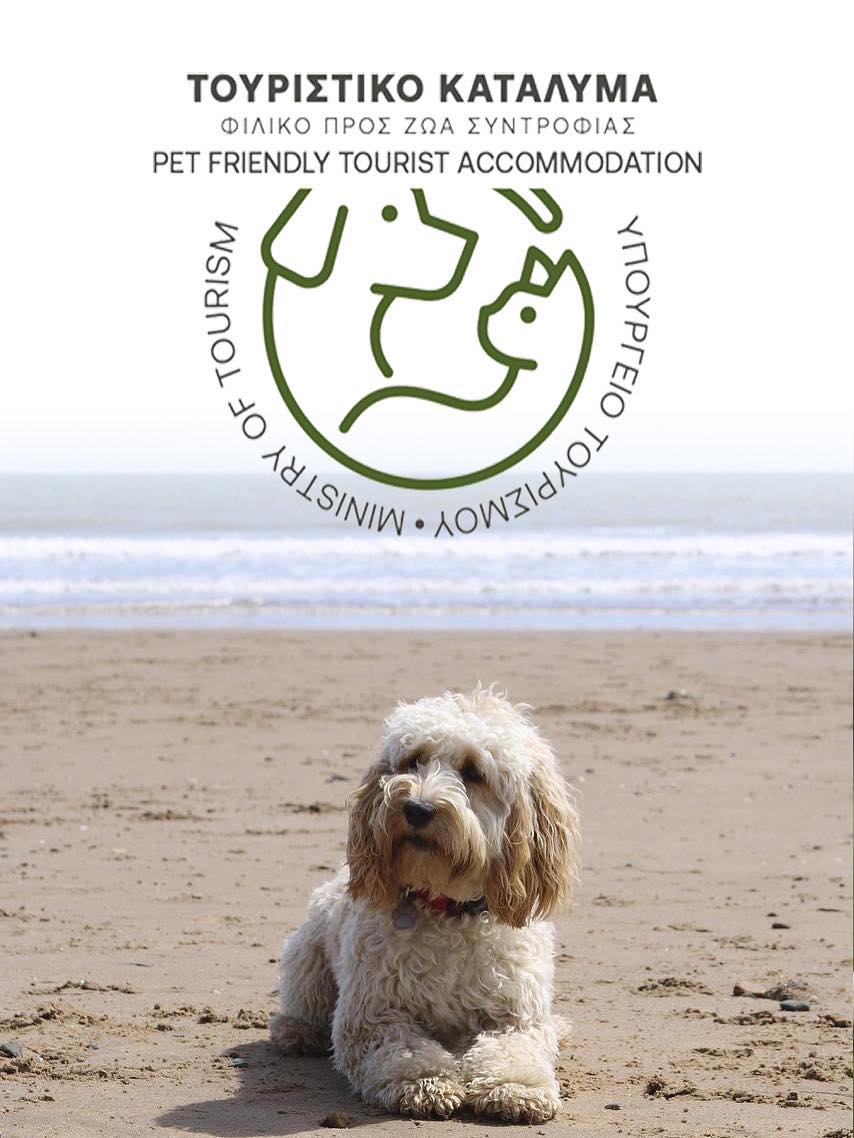
Are all Greek beaches pet-friendly?
No. While free beaches generally are, organized beaches require explicit permission, and many “Blue Flag” certified beaches ban dogs.
What happens if my dog is too big for a carrier on a bus?
Large dogs must use a leash and a muzzle. The transport company may also impose specific additional conditions for their travel.
Is a microchip required for entry?
Yes. Greek authorities require a microchip and a veterinary passport verifying vaccinations.