
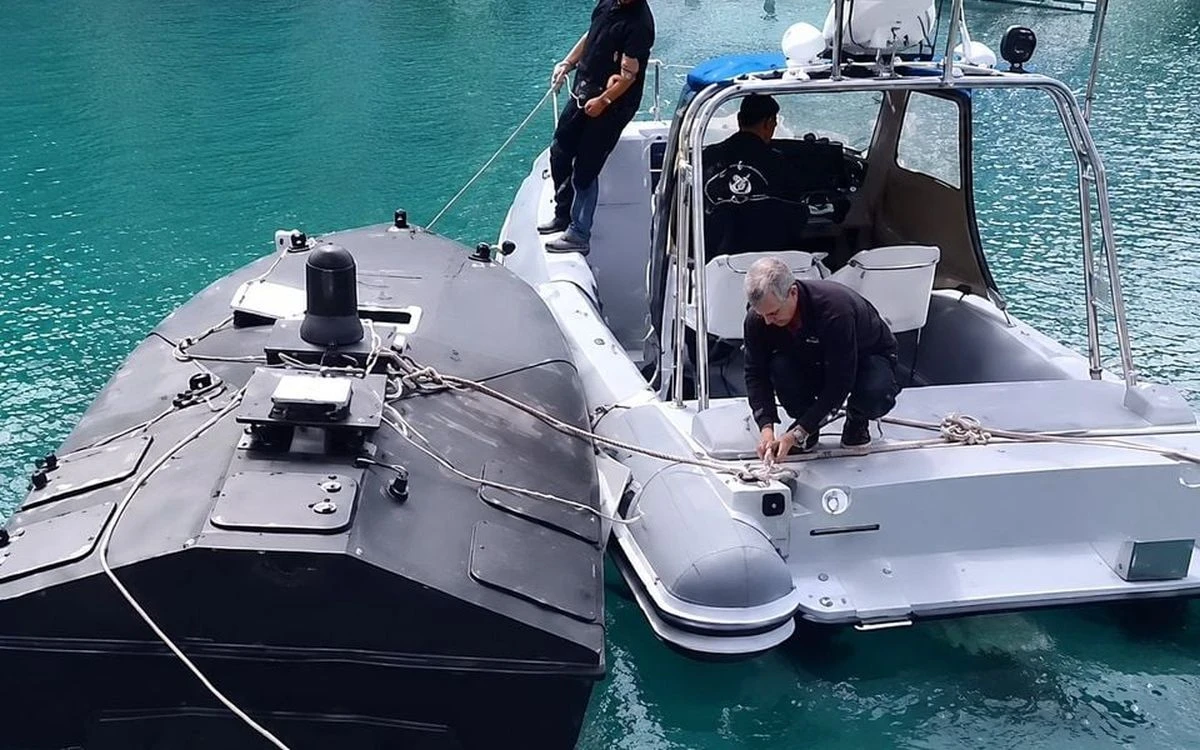
Greece to File Diplomatic Complaint Against Ukraine Over Explosive Sea Drone
The New Frontier of Naval Warfare: Beyond the Black Sea
For months, the world has watched the Black Sea become a testing ground for Unmanned Surface Vehicles (USVs). These “kamikaze” sea drones have effectively neutralized traditional naval superiority, allowing a smaller force to challenge a massive fleet. However, the recent discovery of a weaponized drone near the coast of Lefkada suggests a dangerous shift: the theatre of asymmetric naval warfare is expanding.
When maritime drones begin appearing in the Mediterranean, it signals that the conflict is no longer geographically contained. We are entering an era where the “invisible” war for energy and sanctions enforcement is moving into some of the world’s busiest shipping lanes.
The Shadow Fleet: A Floating Target for Asymmetric Strikes
To understand why a drone would end up in Greek waters, one must look at the “Shadow Fleet.” These are aging tankers, often with opaque ownership and substandard insurance, used by Russia to bypass G7 oil price caps. These vessels are the lifeblood of sanctioned energy exports, but they are also floating liabilities.
As these tankers traverse the Mediterranean, they become high-value targets for those looking to disrupt the flow of illicit oil. However, targeting these ships is a high-stakes gamble. Because many shadow fleet vessels are poorly maintained, a single drone strike can lead to a catastrophic oil spill, turning a tactical military victory into an ecological disaster.
The Case of the Arctic Metagaz
The incident involving the Arctic Metagaz serves as a cautionary tale. When a tanker is hit in a crowded waterway, the risk isn’t just to the crew or the cargo—it’s to the entire maritime ecosystem. A leak in the Mediterranean could devastate tourism and fishing industries across Southern Europe, creating a geopolitical nightmare for NATO allies.
For more on how energy sanctions are reshaping global trade, check out our analysis on global energy security trends.
How Maritime Drones are Redefining Global Trade Security
The proliferation of low-cost, high-impact USVs is forcing a total rethink of naval defence. Traditional destroyers and frigates are designed to fight other ships or aircraft; they are surprisingly vulnerable to a swarm of small, fast-moving drones that skim the surface of the water.
We are likely to see several key trends emerge in the coming years:
- Autonomous Escorts: Commercial shipping may eventually require “drone shepherds”—defensive USVs that scout ahead of tankers to detect and intercept threats.
- AI-Driven Mine Detection: As drones become more common, the line between a “smart mine” and a “sea drone” blurs, requiring new sensor arrays for coastal defence.
- Insurance Hikes: Maritime insurance premiums for “high-risk” vessels (like the shadow fleet) will skyrocket, potentially making the shadow fleet economically unviable.
Diplomatic Tightropes: The Tension Between Allies
The friction between Athens and Kyiv over a stray drone highlights a growing tension within Western alliances. While there is broad support for Ukraine’s defence, the “export” of its warfare methods into NATO waters is a bridge too far for some.
Greece, as a maritime nation, cannot afford to have its territorial waters treated as a corridor for unmanned weapons. This creates a complex diplomatic paradox: supporting a partner’s right to fight while demanding that the fight stays far away from one’s own shores. According to reports from high-authority maritime news sources, the risk of “accidental” escalation in the Mediterranean is at its highest point in decades.
Frequently Asked Questions
What is a USV (Unmanned Surface Vehicle)?
A USV is an autonomous or remotely operated boat that can be used for surveillance, mine-clearing, or, in the case of “kamikaze” drones, as a weapon to strike other ships.
What exactly is the “Shadow Fleet”?
The shadow fleet consists of tankers that operate outside of mainstream regulatory and insurance frameworks to transport oil from sanctioned countries, often hiding their identity to avoid detection.
Why is a drone in Greek waters a diplomatic issue?
Because the presence of a weaponized drone in territorial waters is a violation of sovereignty and poses a significant security and environmental risk to the host nation.
What’s Your Take on Autonomous Warfare?
Do you think the use of sea drones is a necessary evolution of modern defence, or a dangerous gamble that threatens global shipping?
Join the conversation in the comments below or subscribe to our newsletter for deep dives into the future of geopolitics.