Green Mobility & Sustainable Living: Why Ecological Solutions Beat Concrete Overbuilds
The Green Future: How Sustainable Policies Can Solve Urban Challenges Without Blaming Migration
From traffic congestion to urban sprawl, the real solutions lie in smart policies—not scapegoating. Discover how cities worldwide are adopting eco-friendly alternatives to improve quality of life for everyone.
Why Traffic Jams Aren’t Just a Migration Problem
Every day, millions of drivers worldwide sit in traffic, frustrated by congested roads that seem to get worse by the year. But here’s the truth: urban traffic congestion isn’t caused by migrants—it’s a symptom of outdated infrastructure and car-centric policies. According to the 2023 INRIX Global Traffic Scorecard, drivers in major cities lose an average of 137 hours per year stuck in traffic—costing economies billions in lost productivity.
Yet, the solution isn’t simpler or harsher border controls. It’s investing in green mobility. Cities like Copenhagen and Paris have proven that expanding public transit, bike lanes, and car-sharing programs can slash congestion by up to 40% while reducing emissions.
Barcelona’s Superblocks: Less Traffic, More Green Space
Barcelona took a bold step in 2016 by creating “superblocks”—car-free zones where residents and visitors walk, bike, or take public transport. The result?
- 30% reduction in traffic in participating areas.
- 25% drop in air pollution (per Barcelona City Council).
- Increased social interaction as streets become community spaces.
This model isn’t just about cutting cars—it’s about reclaiming urban life for people, not vehicles.
Why Concrete Isn’t the Answer: The Case for Sustainable Urban Growth
Critics of migration often blame newcomers for urban sprawl—the endless spread of concrete and asphalt that devours farmland and wildlife habitats. But the real culprit? Short-term profit-driven development that prioritizes cheap, low-density housing over long-term sustainability.
According to the UN-Habitat, 70% of global greenhouse gas emissions come from cities, with sprawl contributing to deforestation, biodiversity loss, and higher infrastructure costs. Yet, densification done right—with green buildings, mixed-use zones, and preserved green spaces—can reverse this trend.
68% of the world’s population will live in cities by 2050 (per World Bank). Without sustainable planning, we’ll face more pollution, heat islands, and traffic chaos—not less.
Vienna: Where Density Meets Sustainability
Vienna, often ranked Europe’s most livable city, proves that high-density living can be eco-friendly. The city’s policies include:
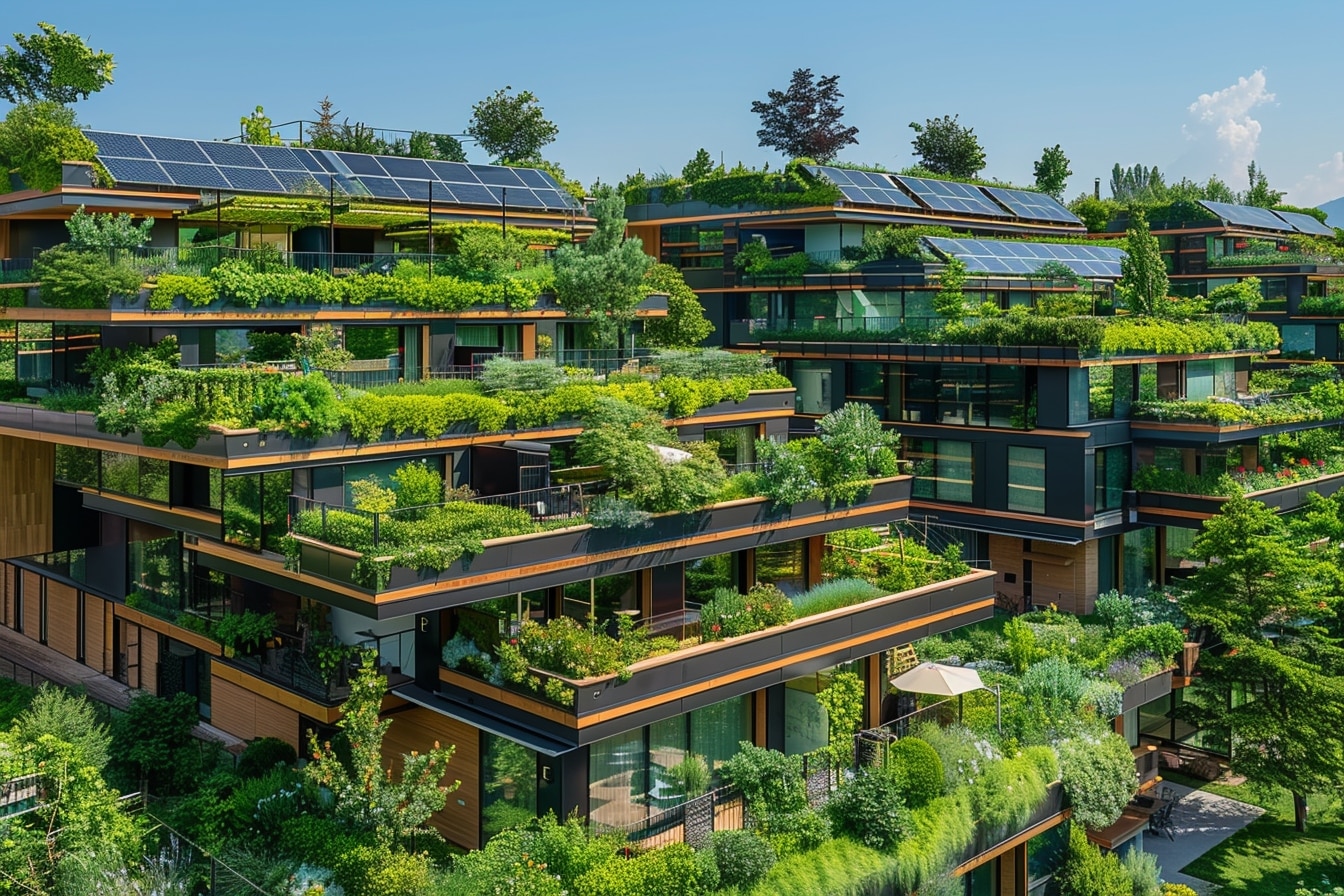
- Mandatory green roofs on new buildings to reduce heat and improve insulation.
- Passive house standards for all new constructions, cutting energy use by 75%.
- Protected green belts around the city to preserve agriculture and wildlife.
Result? Vienna has one of the lowest carbon footprints per capita in Europe while maintaining affordable, high-quality housing.
Answer: Not if done smartly. Cities like Amsterdam use mixed-income zoning and social housing quotas to keep costs down. The key is regulating speculation, not just building more.
Who’s Really Lowering Our Quality of Life?
The narrative that migrants degrade quality of life is a distraction. The real threats are:
- Overconsumption: The average European wastes 280 kg of food per year (per FAO), while global Ecological Overshoot Day arrives earlier every year.
- Poor resource management: 30% of urban waste is recyclable but still landfilled (per EEA).
- Corporate greed: Fast fashion alone contributes 10% of global carbon emissions (per Ellen MacArthur Foundation).
Migrants don’t pollute rivers, overfish oceans, or lobby for weaker environmental laws. The problem is a system that rewards short-term profit over long-term well-being.
🌍 What’s Your Environmental Footprint?
Take this 2-minute quiz from Global Footprint Network to see how your lifestyle compares to Earth’s limits.
5 Policies That Actually Work for a Greener Future
Instead of divisive rhetoric, here’s what science-backed policies can achieve:
- Expand Public Transit: Cities with high transit coverage (like Zurich) see 30% fewer cars on the road.
- Incentivize Mobility Sharing: Blablacar and city car-sharing reduce private car use by 20% in pilot programs.
- Retrofit, Don’t Tear Down: UNEP estimates that renovating existing buildings could cut global emissions by 5% by 2030.
- Green Urban Planning: C40 Cities’ “Urban Forests” initiative plants 1 million trees annually in participating cities.
- Fair Housing Policies: UN Sustainable Development Goal 11 calls for affordable, sustainable housing for all—not just for natives.
FAQ: Your Questions About Green Urban Solutions
❓ Can green policies really reduce traffic?
Yes. ITDP’s research shows that Bus Rapid Transit (BRT) systems can cut congestion by up to 50% while increasing ridership by 300%.

❓ Won’t more density lead to overcrowding?
No, if done with smart zoning. New Urban Mechanics found that mixed-use, walkable neighborhoods reduce stress and improve mental health.
❓ Are green buildings really more expensive?
Not long-term. While initial costs may be higher, EPA studies show that energy-efficient buildings save 30-50% on utility bills over 20 years.
❓ How can I advocate for green policies in my city?
Start small:
- Join 350.org or local climate groups.
- Push for tree-planting initiatives in your neighborhood.
- Demand transit expansions in city council meetings.
Your Turn: Shape the Future of Your City
Green policies aren’t just about saving the planet—they’re about creating healthier, happier, and more connected communities. Whether you’re a resident, business owner, or policymaker, your voice matters.
📢 Share Your Ideas
Comment below: What’s one green policy you’d like to see in your city?
📚 Learn More
Explore our guides on:
🔔 Stay Updated
Subscribe to our newsletter for monthly deep dives on sustainable urban solutions.