

GSK makes biggest ever acquisition with $10.6bn for US cancer drug firm | GSK
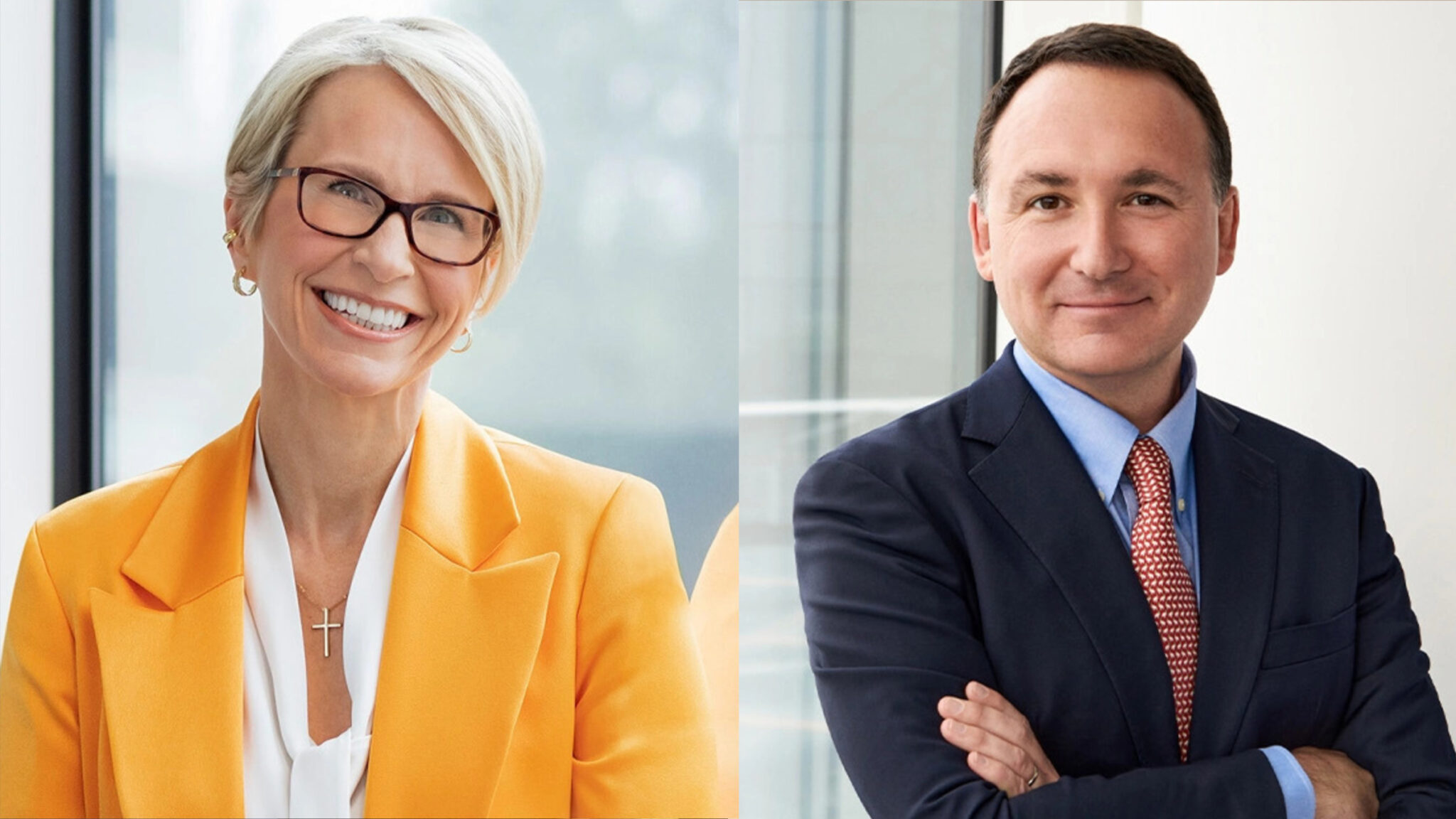
GSK has acquired Boston-based biotech company Nuvalent for $10.6 billion (£7.9 billion) to expand its oncology portfolio, according to the company. The deal, led by CEO Luke Miels, secures two late-stage lung cancer medications currently under review by the U.S. Food and Drug Administration (FDA).
GSK will pay $124 per share in cash for the specialist firm. This transaction marks the drugmaker’s largest acquisition to date and its most significant deal since a $21 billion asset swap with Novartis in 2014, GSK stated.
Why is GSK acquiring Nuvalent?
The acquisition focuses on treating non-small cell lung cancer. GSK is gaining two next-generation treatments, zidesamtinib and neladalkib, which target mutations that drive the disease, according to company officials.
CEO Luke Miels stated these products are “potential best-in-class assets.” He noted a gap in the market for better-tolerated products, as current treatments can lead to significant weight gain over seven or eight years of use.
The treatments target a specific patient demographic in the U.S. Just under 4,000 people are being treated for these lung cancer types, the majority of whom are female non-smokers between the ages of 40 and 50.
How does this fit into GSK’s broader strategy?
Luke Miels, who took over as CEO at the start of the year, describes his strategy as a “brick-by-brick approach” to portfolio growth. This $10.6 billion deal follows a $2.2 billion acquisition of California-based RAPT in January, a company developing drugs for severe food allergies.
The move continues an oncology push started by former CEO Emma Walmsley in 2017. However, the scale of the Nuvalent deal has surprised investors, as GSK had previously focused on smaller “bolt-on” acquisitions.
What happens next for the new cancer drugs?
The FDA is expected to announce decisions on zidesamtinib and neladalkib in September and November. If approved, GSK expects to launch both drugs later this year.
The company believes these medications could become “multi-blockbusters,” potentially generating annual revenues of several billion dollars each. GSK also gains a platform for further expansion through Ris-Rez, a product in late-stage clinical development that may treat multiple forms of cancer.
These assets are intended to help GSK reach a target of more than £40 billion in annual sales by 2031. While the Nuvalent deal was not factored into that original forecast, some analysts remain skeptical that the £40 billion goal is achievable.
Financial impact and ownership
Nuvalent’s largest shareholder is the New York-based healthcare investment firm Deerfield Management. Founder Matthew Shair held a 2.16% stake, which LSEG data indicates is worth just under $200 million following the sale.
Market reaction was mixed on Tuesday. Nuvalent shares rose 38% to $122 in pre-market trading, while GSK shares fell 1.4% by early afternoon.
Frequently Asked Questions
How much is GSK paying for Nuvalent?
GSK is paying $10.6 billion (£7.9 billion) in total, which breaks down to $124 per share in cash.
Which specific diseases do the Nuvalent drugs treat?
The two lead medications, zidesamtinib and neladalkib, are designed to treat two forms of non-small cell lung cancer.
When will the FDA decide on the approval of these drugs?
Decisions from the U.S. Food and Drug Administration are expected in September and November.
Do you believe larger acquisitions are more effective than smaller “bolt-on” deals for pharmaceutical growth?