
Guinea Bans Raw Gold Exports to Boost Domestic Processing
Guinea has mandated that all gold produced within its borders must be processed domestically, ending the long-standing practice of exporting raw ore. President Mamady Doumbouya announced the policy following meetings with industry stakeholders, warning that any operator failing to comply faces immediate license suspension and the termination of mining contracts. The move aims to capture more economic value from the country’s significant gold reserves, which are currently processed and certified abroad.
Why is Guinea banning raw gold exports?
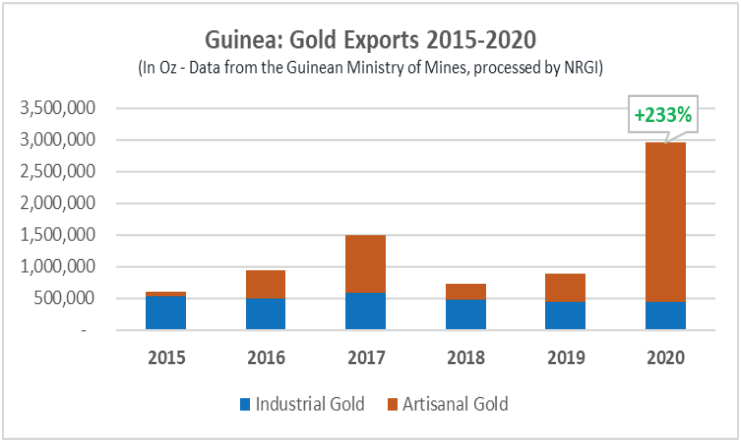
President Doumbouya stated that Guinea’s gold currently leaves the country in raw form, depriving the nation of the economic benefits of refining and certification. According to state-owned broadcaster Radio Télévision Guinéenne, the government now requires that all gold be melted and processed into ingots at a newly constructed facility in Conakry before it can be sold on international markets. The Ministry of Mines and Geology reported that mining enterprises, including the AngloGold Ashanti subsidiary Société Aurifère de Guinée, exported 22,142 kilograms of gold in the first quarter of this year alone.
How does this compare to Zimbabwe’s lithium policy?
Guinea’s strategy mirrors a precedent set by Zimbabwe, which earlier this year suspended the export of raw lithium concentrates. Both nations are part of a growing trend among resource-rich countries to prioritize in-country value addition. While Guinea is targeting gold, Zimbabwe’s Ministry of Mines justified its own ban as a necessary step to curb “continued malpractices” and improve accountability. Both governments claim these measures will increase domestic efficiency and ensure that the wealth generated from natural resources remains within national borders.
What are the risks for mining operators?
The enforcement mechanism for the new policy is strict. President Doumbouya explicitly warned that any mining company or artisanal trader continuing to export raw gold will have their mining contract terminated. By forcing the transition to domestic processing, the government is shifting the burden of infrastructure development onto the industry, requiring operators to utilize the new refining capacity in Conakry. This shift effectively changes the operational model for international corporations that have historically relied on exporting raw materials to established refineries in other regions.
Pro Tip: Investors should monitor the progress of the Conakry processing facility to determine if it can handle the volume of gold previously exported by major firms like AngloGold Ashanti.
Frequently Asked Questions
Will this ban affect all gold miners in Guinea?
Yes. The mandate applies to all industrial enterprises, semi-industrial businesses, and artisanal miners operating within the country.
Where must the gold be processed?
According to the presidential directive, gold must be processed into ingots at a government-designated facility located in the capital city, Conakry.
What happens if a company ignores the mandate?
President Doumbouya stated that non-compliant operators will face immediate license suspension and the permanent termination of their mining contracts.
Are you tracking how African mining policies are shifting toward local processing? Share your thoughts in the comments or subscribe to our weekly newsletter for ongoing updates on resource governance.