
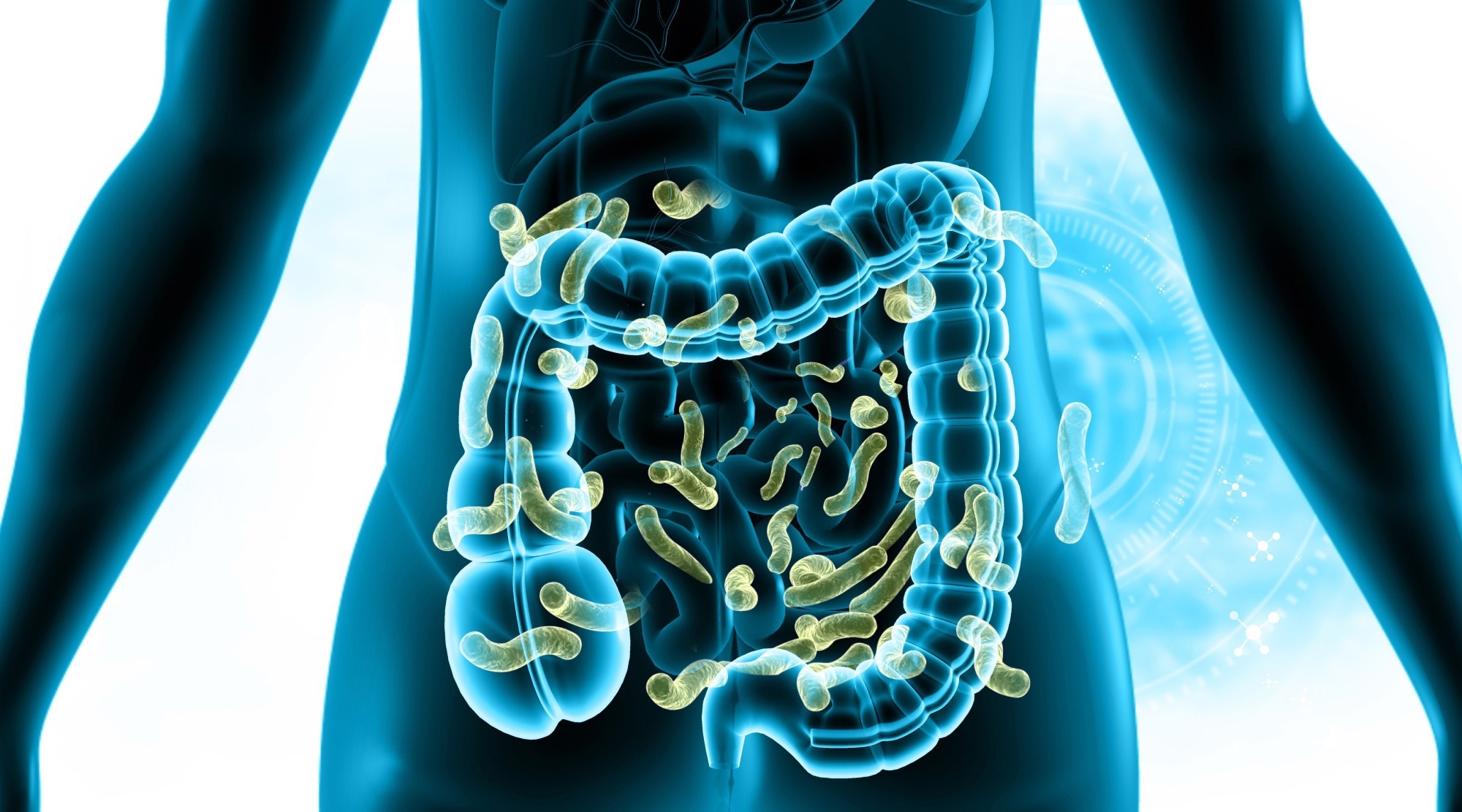
Gut microbes emerge as potential players in estrogen-driven cancers
Researchers have identified a bidirectional “endocrine-microbiome axis” where gut microbes influence hormone metabolism and the risk of hormone-driven cancers, according to a review in npj Biofilms and Microbiomes. The study suggests these interactions could eventually become targets for cancer prevention and personalized therapy.
How do gut microbes influence hormone-driven cancers?
The gut microbiome regulates estrogen through several pathways, according to the review by Mou et al. A specific group of bacteria called the estrobolome uses enzymes like $beta$-glucuronidase and sulfatases to recycle estrogen, which may extend the body’s exposure to active hormones.
These microbes don’t just recycle hormones; they act as active endocrine partners. According to the researchers, certain intestinal microbes convert soy isoflavones into S-equol, a metabolite that mimics estrogen signaling by binding to estrogen receptor beta.
The relationship is bidirectional. Hormonal shifts during menopause, pregnancy, and puberty alter microbial metabolism, while microbes modify endocrine signaling in return.
What is the link between the microbiome and cancer development?
Microbial imbalance, or dysbiosis, is associated with chronic low-grade inflammation, according to the study. This environment may alter insulin and metabolic signaling, which can work alongside estrogen to promote tumor progression.

Researchers found that breast, uterine, and endometrial tissues may host their own distinct microbial communities. These local microbes can influence inflammation and estrogen metabolism without changing the hormone levels circulating in the blood.
Some microbial products may damage DNA or modify gene regulation through epigenetic mechanisms. Other products produce short-chain fatty acids that affect cellular signaling and chromatin structure.
Could microbiome-targeted therapies treat cancer?
Gut bacteria may influence how patients respond to endocrine drugs. According to the review, microbial activity can affect systemic exposure to endoxifen, the principal active metabolite of the cancer drug tamoxifen.
Researchers are investigating several microbiome-targeted methods, including:
- Probiotics and prebiotics
- Selective enzyme inhibitors
- Live biotherapeutic products
- Fecal microbiota transplantation (FMT)
While experimental studies suggest these strategies could reduce harmful enzyme activity, the authors note that most evidence comes from laboratory or biomarker studies. Clinical trials examining actual cancer outcomes are still needed.
What happens next in endocrine-microbiome research?
The review concludes that the endocrine-microbiome axis remains a high-priority hypothesis rather than a validated clinical target. Current human studies mostly show associations instead of direct cause-and-effect relationships.
Future research may require longitudinal studies using multi-omic approaches and sex-stratified analyses. Researchers suggest that multi-kingdom profiling, including the mycobiome and virome, will be necessary to identify actionable biomarkers.
Standardized methods are a priority, as variations in geography, diet, and medications currently make it difficult to compare different studies.
Frequently Asked Questions
What is the estrobolome?
The estrobolome is a group of gut bacteria that use enzymes such as sulfatases and $beta$-glucuronidase to determine how estrogen is recycled in the body.
Do hormones affect the gut microbiome?
Yes. According to the research, hormonal changes during life stages like puberty, pregnancy, and menopause alter microbial metabolism, including steroid and carbohydrate pathways.
Are microbiome-based cancer treatments currently routine?
No. The researchers state that stronger clinical evidence is required before microbiome-guided treatment becomes routine, as most current evidence is based on laboratory studies.
Source: npj Biofilms and Microbiomes
Do you think personalized nutrition based on your microbiome could one day be part of standard cancer prevention?