

Hacks Finale Emotional Goodbye: Jean Smart & Cast Share Tears Over Streisand-Garland Duet & Legacy
The Emmy-winning HBO Max series Hacks concluded its five-season journey Tuesday night with an advance screening of its finale at the Academy Museum of Motion Pictures, where cast and creators gathered to reflect on the show’s legacy. The evening was a poignant blend of laughter and tears, as stars Jean Smart, Hannah Einbinder, Robby Hoffman, and Kaitlin Olson—alongside co-creators Paul W. Downs, Lucia Aniello, and Jen Statsky—shared memories and emotional goodbyes to the critically acclaimed comedy.
An Emotional Farewell to a Cultural Touchstone
The screening marked the end of an era for the show, which has been a defining force in television comedy since its debut. With 12 Emmys under its belt—including the 2024 award for Best Comedy Series—the series has cemented its place as a rare blend of sharp humor and heartfelt storytelling. The finale’s emotional weight was underscored by a moment that left the cast visibly moved: the use of Barbra Streisand and Judy Garland’s iconic duet, “Happy Days Are Here Again.”
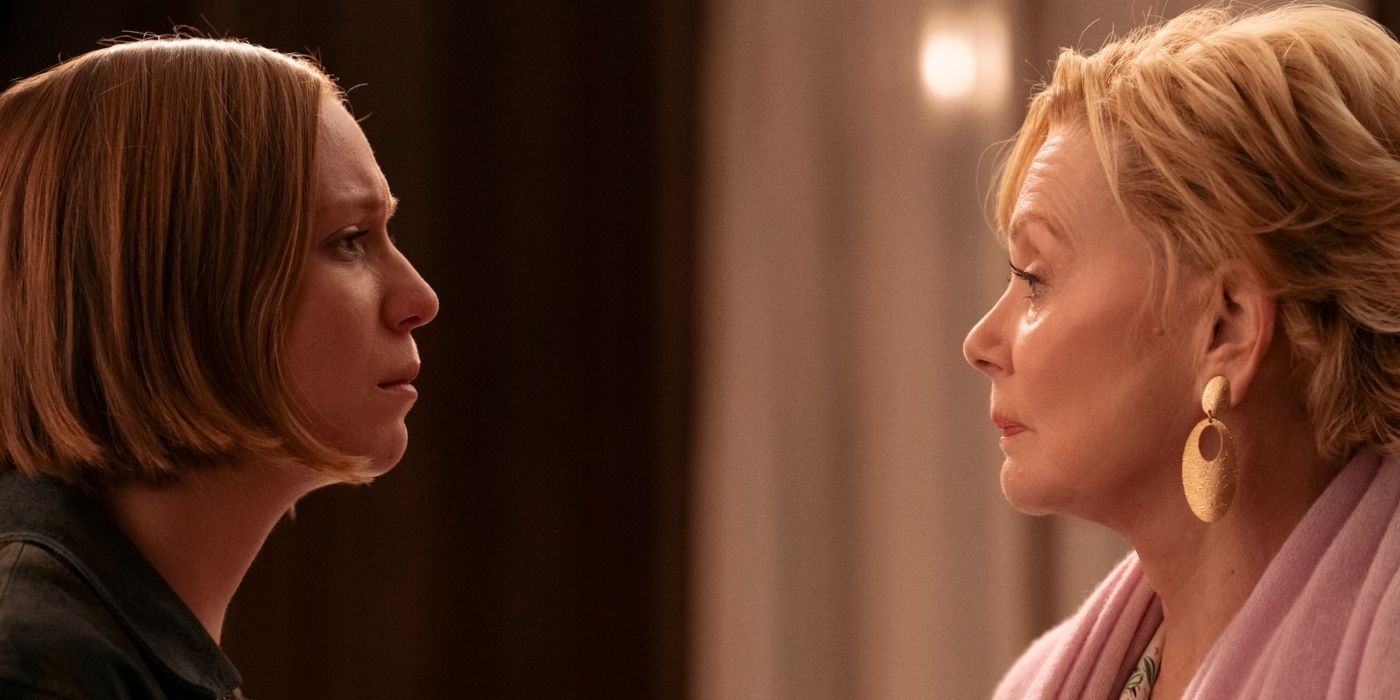
Jean Smart, who won an Emmy in every season of the show, revealed she was thrilled when creators informed her of the song’s inclusion in the finale. “It’s such an incredible piece of music,” she said, adding that its significance lay not just in the song itself but in its duetting nature—a reflection of the deep bond between her character, Deborah Vance, and Einbinder’s Ava Daniels.
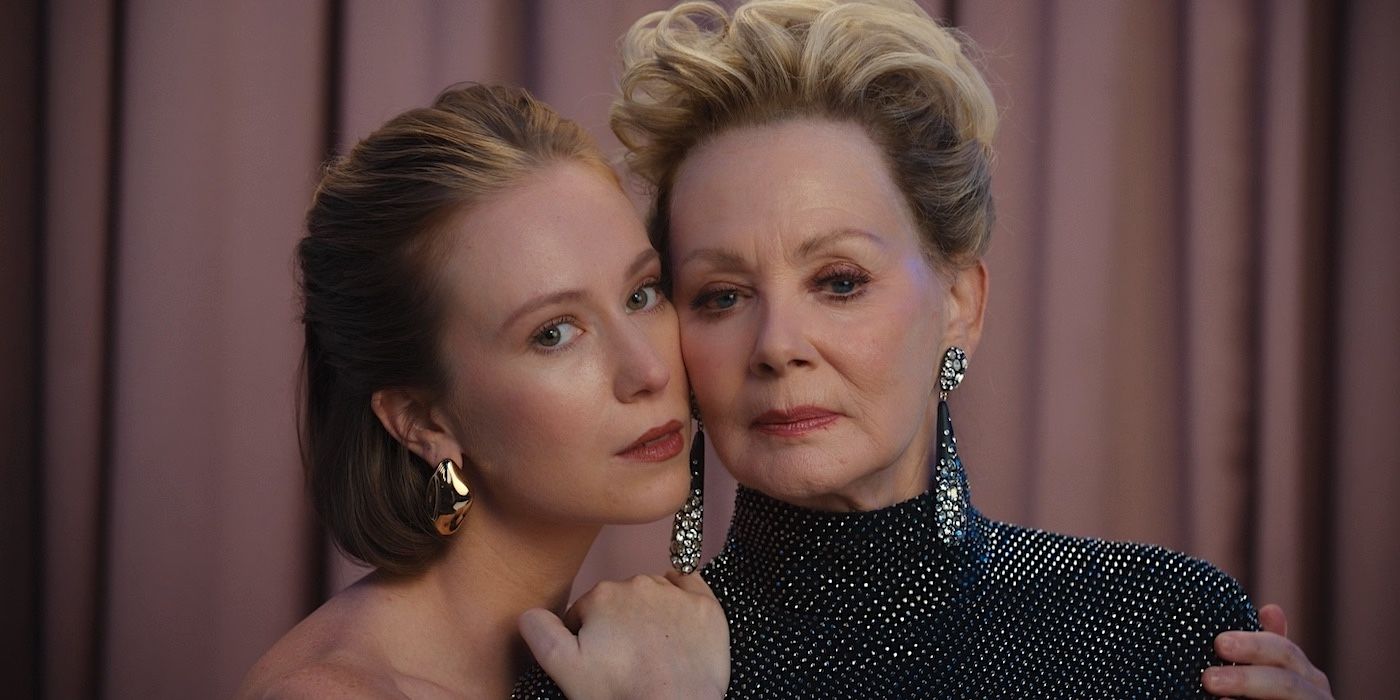
Einbinder, who portrayed Ava, described the finale as a “beautiful encapsulation” of the series’ core: the unbreakable love and connection between the two characters. “I can never predict where the show is going to go,” she admitted, “but I have such genuine faith in and trust in wherever it goes narratively.” The emotional moment was palpable when Smart spoke of the duet, prompting Einbinder to playfully collapse to the floor in tears.
A Legacy Beyond Laughter
The series has been celebrated not only for its humor but for its ability to tackle serious themes without feeling preachy. Smart emphasized this balance, stating, “It’s one of the funniest shows ever, but it was also able to do stories about serious things.” The dynamic between Deborah and Ava, she noted, broke new ground for television, offering a fresh perspective on mentorship and friendship.
Co-creator Paul W. Downs framed the show’s cultural impact in broader terms, referencing a world where free speech, comedy, and queer representation face challenges. “It’s about finding your people,” he said. “I hope that is the legacy of the show.” His remarks underscored how Hacks resonated far beyond its comedic surface, becoming a symbol of resilience and connection.
What’s Next for Hacks?
With the finale airing May 28 on HBO Max, fans can expect the series to remain a cultural touchstone, likely sparking discussions about its impact on comedy and representation. While no immediate spin-offs or revivals have been announced, the show’s legacy could inspire similar storytelling in future projects. Analysts may also speculate on whether the series’ success could pave the way for more nuanced, character-driven comedies in the industry.
:max_bytes(150000):strip_icc():focal(749x0:751x2)/jean-smart-hacks-season-5-040226-3f12f542e75947d5863d8bc30183704e.jpg "Jean Smart Hacks finale emotional farewell")
For now, the focus remains on the finale, which Smart called “absolutely perfect.” The series’ ability to balance humor and heart has left an indelible mark, and its conclusion may serve as a benchmark for how television can address complex themes without losing its comedic edge.
Frequently Asked Questions
How many Emmys did Hacks win in total?
The series won 12 Emmys across its five-season run, including Best Comedy Series in 2024.
Why was the song “Happy Days Are Here Again” significant in the finale?
Jean Smart revealed the song’s inclusion was a deliberate choice to reflect the deep, duetting bond between Deborah and Ava, making it a fitting emotional centerpiece for the finale.
What did the creators say about the show’s cultural impact?
Co-creator Paul W. Downs emphasized the show’s message of finding one’s people, framing it as a response to broader challenges facing free speech, comedy, and queer representation.
As Hacks concludes its run, what do you think will be its lasting legacy in television comedy?