
Hair Loss and Mental Health: Can a Toxic Relationship Be the Cause?
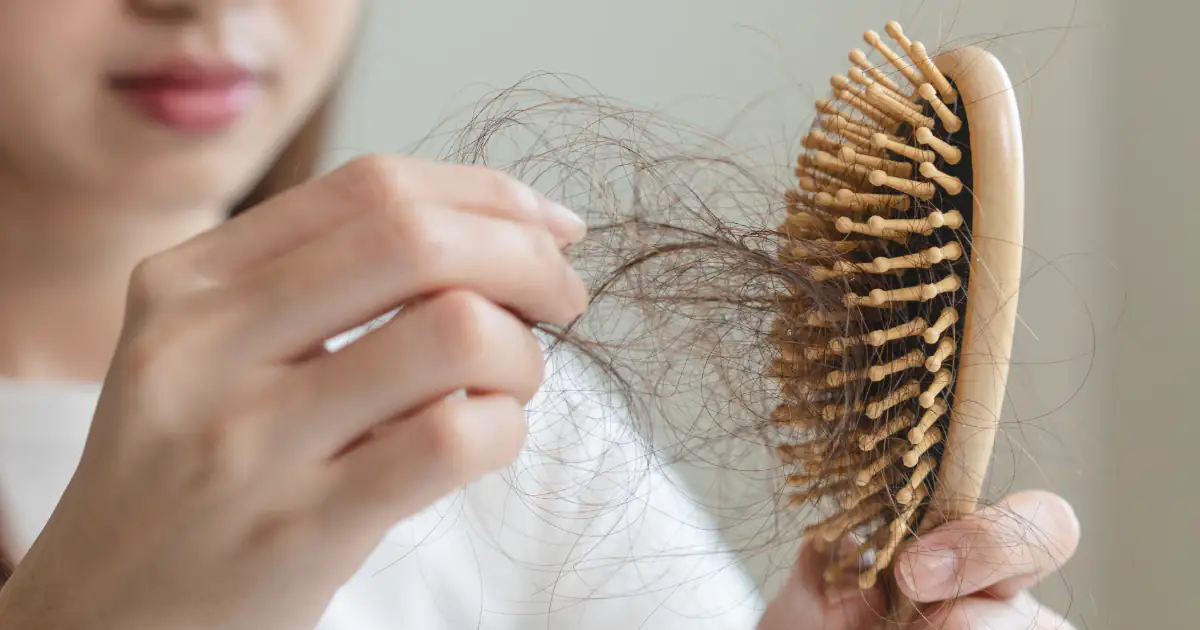
Persistent hair loss can be a physical manifestation of psychological distress, specifically linked to the chronic stress of living in a toxic relationship. According to dermatologist Dr. Karin Beyer, this condition, known as telogen effluvium, occurs when physical or emotional stress forces hair follicles into a premature resting phase. While often associated with aging or nutritional deficiencies, experts note that ongoing interpersonal conflict can trigger measurable physiological changes, including scalp inflammation and hair shedding.
Stress-induced hair loss, or telogen effluvium, is a reversible condition. When the underlying stressor is removed and the scalp environment is stabilized, hair growth can resume.
How Toxic Relationships Impact Hair Growth
Chronic exposure to manipulation, devaluation, and constant conflict places the body in a state of high stress, which directly interferes with biological processes. Dr. Karin Beyer explains that this stress-induced state causes hair follicles to transition into the telogen (resting) phase earlier than normal. Furthermore, the AOK experts report that high levels of the stress hormone cortisol inhibit hair growth.
The physical impact extends beyond simple shedding. Increased levels of stress can elevate the number of nerve fibers surrounding each hair follicle. These fibers release neuropeptides that stimulate mast cells, leading to uncomfortable symptoms such as itching and scalp inflammation. This chain reaction demonstrates how emotional volatility in a relationship can manifest as a tangible dermatological issue.
The correlation between emotional health and physical symptoms like hair loss serves as a critical indicator of the body’s internal state. Recognizing that hair loss may be a warning sign of prolonged stress—rather than just a cosmetic concern—is essential for addressing the root cause, which may involve seeking support from therapists or trusted family members to manage the environmental stressors.
Treatment and Recovery Steps
Addressing stress-related hair loss requires a dual approach that focuses on both the scalp and the underlying psychological burden. Dermatologists emphasize that the primary goal of therapy is restoring scalp health, which may involve the use of specialized creams, vitamins, and hair care products like oils or masks.
If the stress persists, the hair loss is likely to continue. Experts recommend that individuals experiencing these symptoms should not dismiss them, as they serve as an important signal of personal well-being. A possible next step for those in high-stress environments is to seek external support through friends, family, or professional therapy to reduce the mental load, which may facilitate the recovery of the hair follicles once the body is no longer in a constant state of “fight or flight.”
Frequently Asked Questions
Is stress-related hair loss permanent?
No, stress-related hair loss (telogen effluvium) is considered a reversible form of hair loss. Once the underlying stress is managed and the scalp remains healthy, hair growth can typically recover.

Why does emotional stress cause physical hair loss?
According to experts, stress hormones like cortisol inhibit growth. Additionally, stress increases nerve fibers around hair follicles, which release neuropeptides that trigger inflammation and itching, disrupting the normal hair cycle.
What is the recommended first step for treatment?
Individuals should consult a dermatologist to assess scalp health and receive appropriate medical treatment. Simultaneously, addressing the source of psychological stress—such as a toxic relationship—is necessary to stop the cycle of hair loss.
How have you prioritized your own mental well-being when facing physical signs of stress?