
Hair Loss in Women Over 50: Causes and Treatments
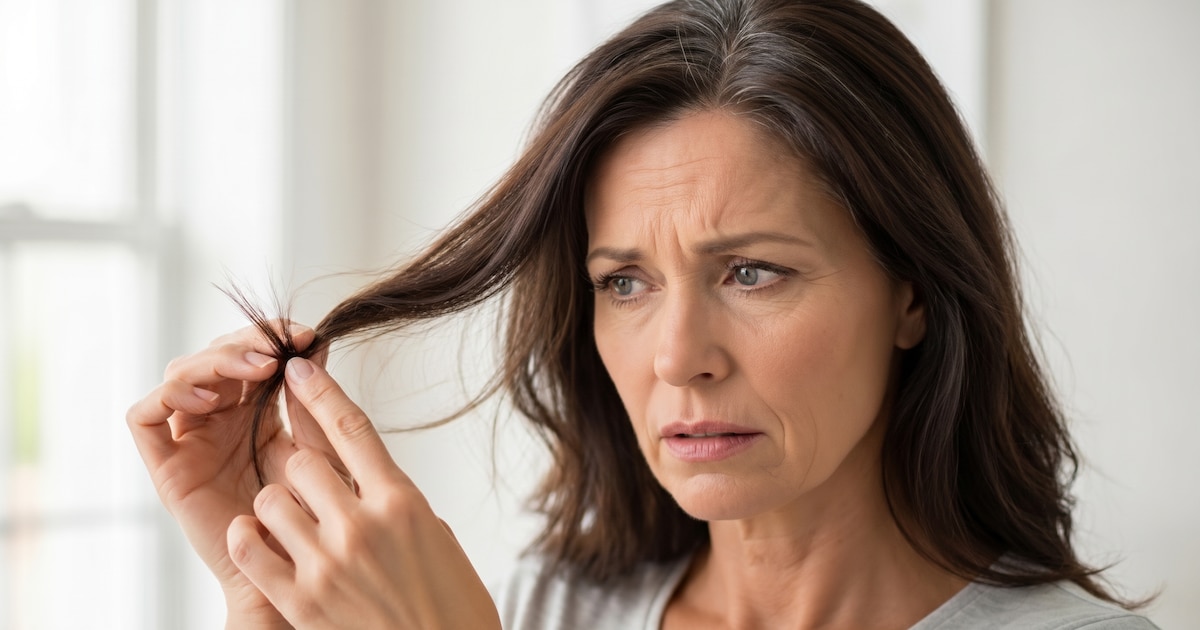
Losing 50 to 100 hairs daily is normal, but visible thinning often signals androgenetic alopecia. According to the National Council on Aging (NCOA), about 50% of men and 25% of women develop this genetic and hormonal condition by age 50, necessitating professional diagnosis from a dermatologist or trichologist.
Inheritance and aging increase the likelihood of hair loss. However, experts state that diseases, hormonal levels, diet, and certain pharmacological treatments also play significant roles in follicle health.
Why does hair loss increase during menopause?
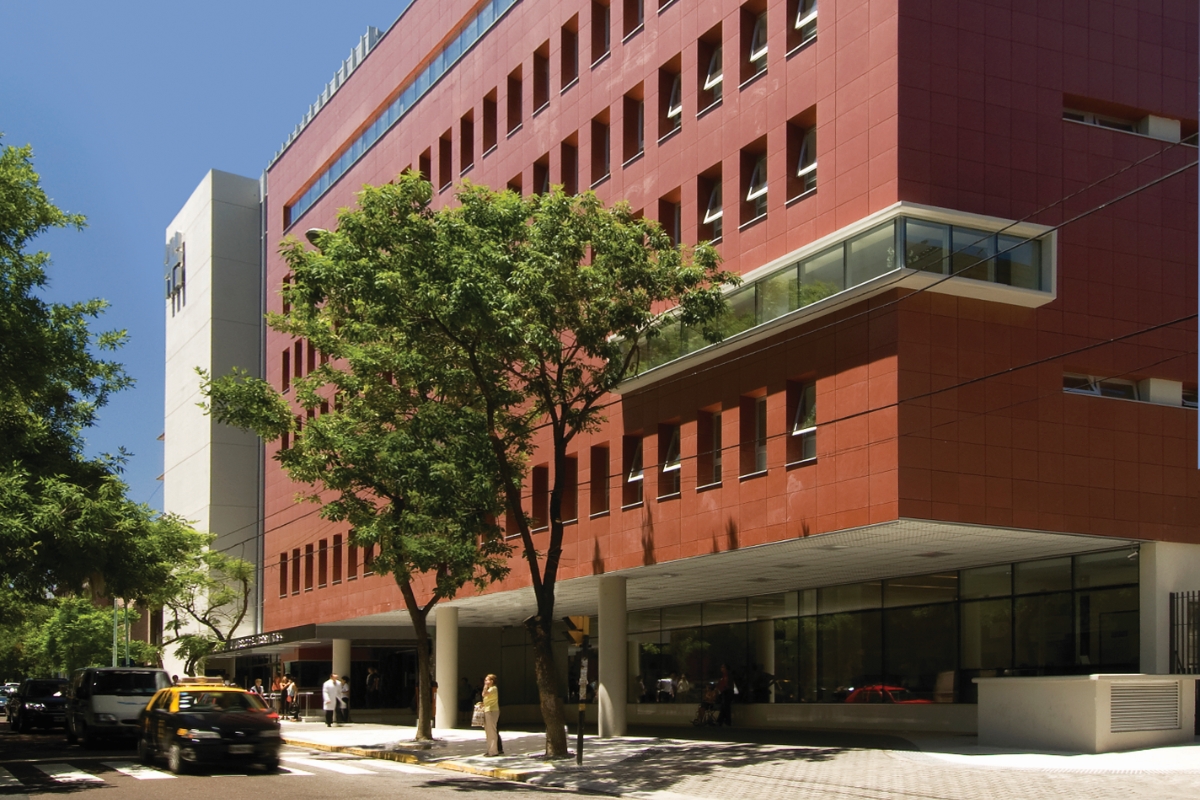
During perimenopause and menopause, hair follicles become more sensitive to androgen hormones. Dr. Dante Surachi, a physician in the Dermatology Division of the Hospital de Clínicas of the University of Buenos Aires, explains that this occurs because estrogen levels drop significantly while androgens remain.

This hormonal shift leads to female androgenetic alopecia, which may affect up to 40% of postmenopausal women. Dr. Cecilia Navarro Tuculet, Tricology Coordinator at the Hospital Italiano de Buenos Aires, describes this as a process of “miniaturization” where the hair thins and loses its color.
A less common condition, frontal fibrosing alopecia, also appears primarily in postmenopausal women. Dr. Surachi notes this manifests as a recession of the hairline at the forehead and temples, sometimes including the loss of eyebrows.
What are the symptoms of female androgenetic alopecia?
Common clinical manifestations include thinning hair, decreased volume, and diffuse loss. Dr. Surachi specifically identifies the widening of the center part as a primary sign.
Patients may also notice that their hair becomes drier, more brittle, and loses its natural shine. The American Hair Loss Association warns that these changes can lead to a sense of loss and impact self-esteem, potentially contributing to social isolation, anxiety, and depression.
How can nutrition and lifestyle prevent hair loss?
The NCOA reports that adults aged 65 and older often face nutrient deficiencies because the body requires fewer calories, making nutrient density critical. Low protein levels can cause brittle hair, while deficiencies in iron and Vitamin B12 can lead to anemia and subsequent hair loss.
Dr. Surachi recommends a Mediterranean diet consisting of lean meats, fish, eggs, legumes, whole grains, nuts, seeds, and olive oil. Since hair is primarily composed of keratin, maintaining adequate protein intake is essential.
Lifestyle factors also influence follicle health. Dr. Navarro Tuculet suggests regular aerobic and strength exercise, adequate sleep, and limiting tobacco, alcohol, and ultra-processed foods to support any medical treatments.
What medical treatments are available for alopecia?
Treatment depends on the specific cause of the loss. For female androgenetic alopecia, Dr. Surachi identifies topical minoxidil (2% twice daily or 5% once daily) and low-dose oral minoxidil (typically under 1 mg to 2.5 mg daily) as evidence-based options.
Antiandrogens, such as finasteride, dutasteride, spironolactone, or bicalutamide, are indicated for progressive follicular miniaturization. These are particularly useful for postmenopausal patients or those with androgen sensitivity.
Regenerative therapies are currently under study and may include:
- Exosomes: Used to reprogram follicle cells and favor new blood vessel formation.
- Polynucleotides (PDRN): Used to stimulate cellular regeneration.
- Platelet-Rich Plasma (PRP): Uses autologous growth factors to reactivate resting follicles.
- Microneedling: Creates microchannels to improve the penetration of topical treatments.
Dr. Surachi warns that supplements, including biotin, should only be used when a deficiency is clinically proven. He also notes that sudden weight loss, sometimes associated with weight-loss injections, can trigger acute telogen effluvium, or abrupt and generalized hair loss.
How should the scalp be maintained to avoid damage?
Regular scalp hygiene is necessary to prevent the accumulation of oil and scales, which Dr. Surachi says can create a pro-inflammatory state that damages the follicle. He clarifies that frequent washing does not increase hair loss.
To minimize mechanical and chemical damage, experts recommend:
- Avoiding tight hairstyles, such as tight ponytails or extensions, to prevent permanent follicular damage.
- Reducing the use of high-heat tools like flat irons and dryers.
- Limiting chemical treatments containing ammonia or formol.
- Protecting the scalp from excessive sun exposure.
Medical treatments typically require several months to show results. Dr. Surachi concludes that the best outcomes result from combining medical therapy with stress management, exercise, and a balanced diet.
Frequently Asked Questions
Is losing hair every day a sign of a medical problem?
No. According to the National Council on Aging, losing between 50 and 100 hairs per day is considered normal due to the natural hair replacement cycle.
Does washing hair frequently cause more hair to fall out?
No. Dr. Dante Surachi states there is no evidence that frequent washing increases hair loss; instead, it helps maintain a healthy scalp and prevents pro-inflammatory damage.
What is the difference between androgenetic alopecia and frontal fibrosing alopecia?
Androgenetic alopecia involves the thinning and miniaturization of the hair follicle. Frontal fibrosing alopecia is less frequent and is characterized by the recession of the hairline at the forehead and temples, and sometimes the loss of eyebrows.
Have you noticed changes in your hair density during major hormonal shifts or lifestyle changes?