
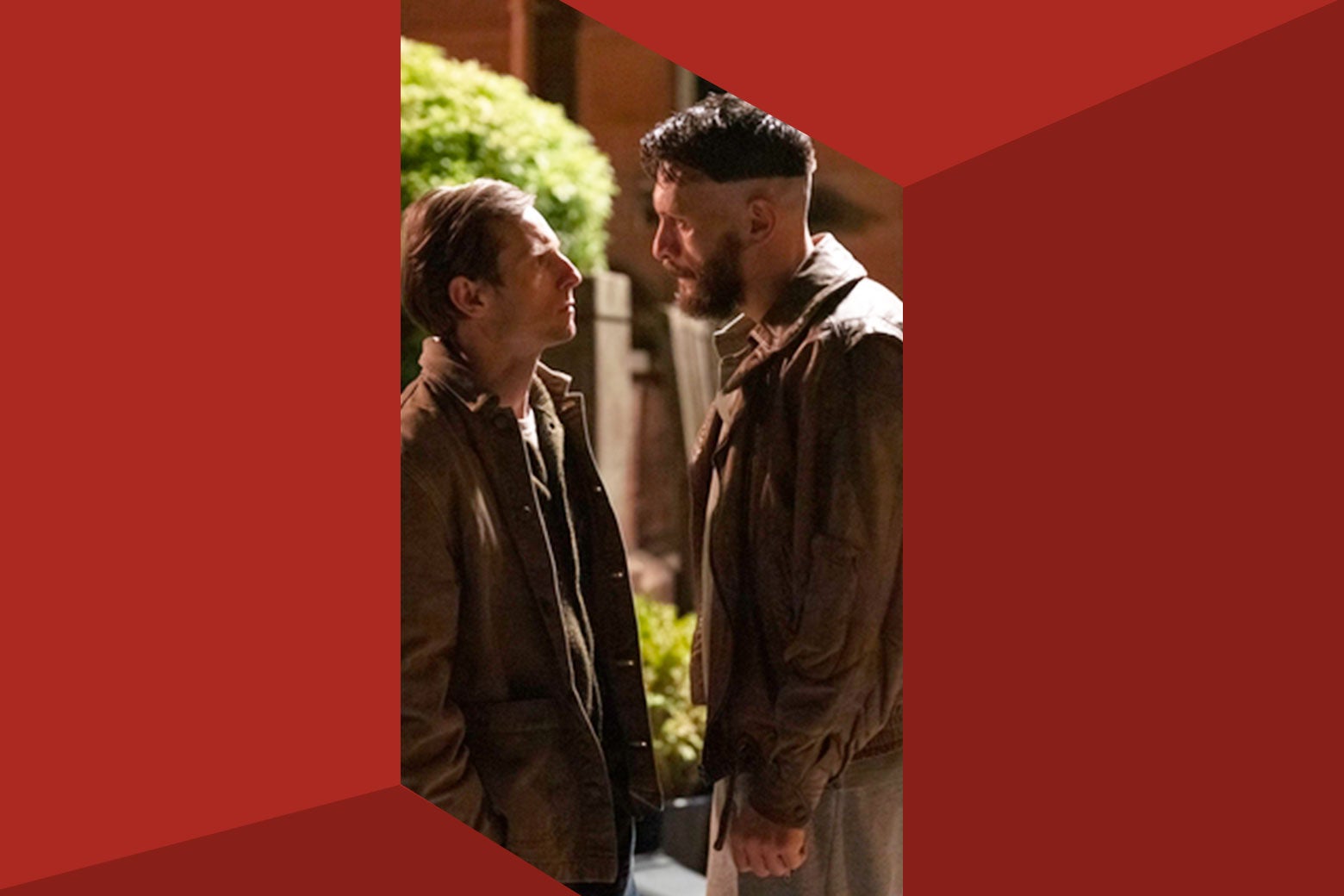
Half Man creator Richard Gadd on the show’s final twist.
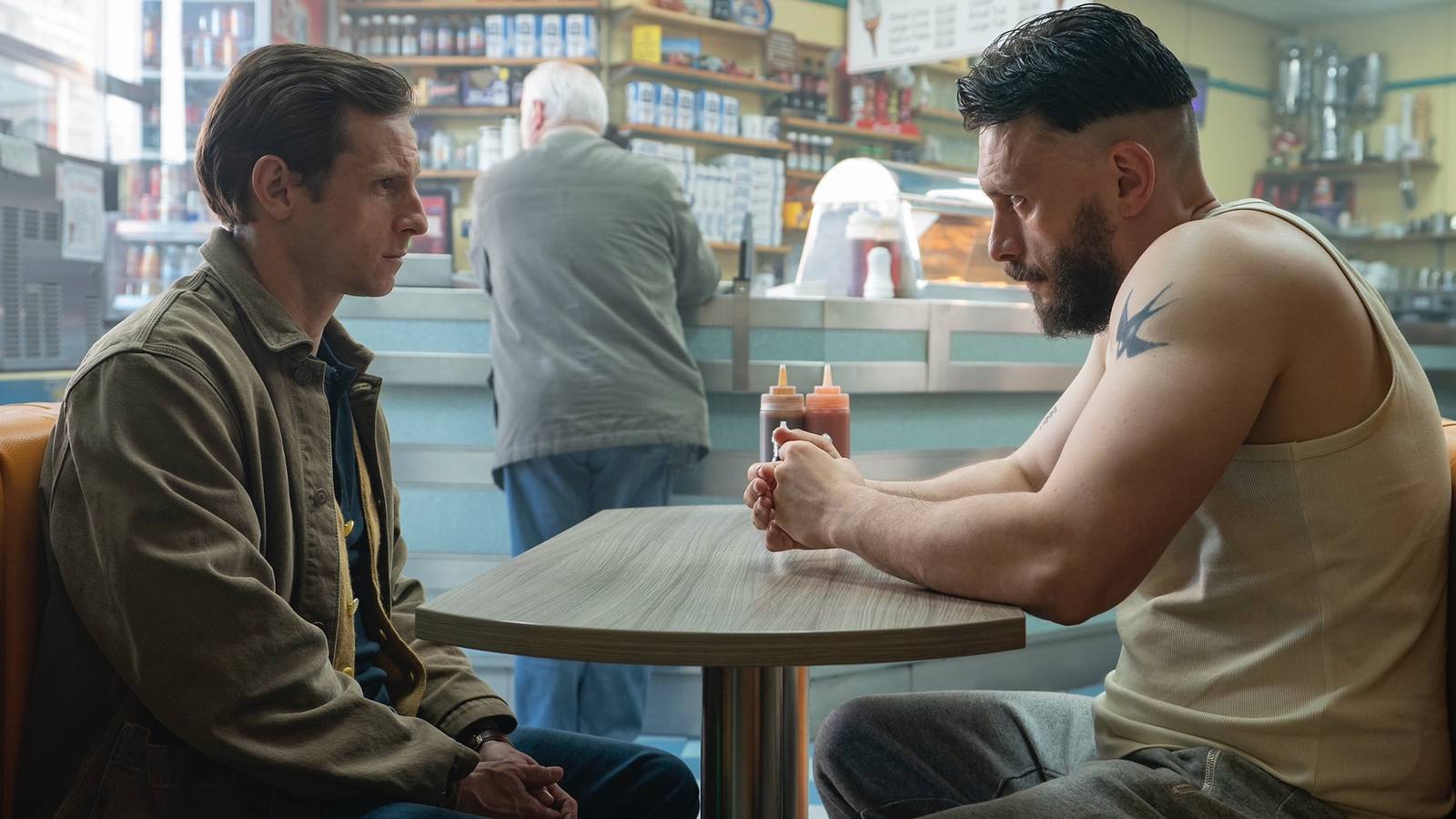
HBO’s latest series, *Half Man*, concluded its six-episode run with a brutal and emotionally charged finale that left audiences reeling. The show, created by Richard Gadd—known for his acclaimed work on *Baby Reindeer*—centered on the toxic, codependent relationship between Niall (Jamie Bell) and Ruben (Gadd), two men bound by a complicated history. The final episode revealed that both characters died in a barn, with Ruben killing Niall at his wedding in a fit of rage after a devastating secret was uncovered: Niall was the true father of the child Ruben believed he had fathered. The episode’s closing scene, marked by an animalistic grunt, left viewers grappling with the ambiguity of its meaning, a deliberate choice by Gadd to let interpretations flourish.
The series explored themes of masculinity, addiction, and identity through the lens of Niall and Ruben’s fraught bond. Their relationship, though not romantic, was deeply intertwined, oscillating between camaraderie, violence, and unspoken desire. Gadd described their dynamic as “contorted,” a love born from shared trauma and a desperate need for connection. The finale’s climax—where Ruben’s lifelong pain, including childhood sexual abuse, collides with Niall’s repressed sexuality—highlighted the show’s focus on how societal pressures and personal demons can culminate in self-destructive behavior.
The cultural impact of *Half Man* has been significant, with HBO reporting over 120 fan fiction pieces about the series on a single platform. Gadd’s decision to leave the final scene’s meaning open has sparked widespread debate, reflecting the show’s success in provoking deep emotional and philosophical reflection. The series also drew parallels to real-world issues, such as the weaponization of queerness in male-dominated spaces and the cyclical nature of toxic relationships.
What Could Happen Next?
While the series has concluded, the legacy of *Half Man* may continue to resonate. Fan theories could delve into the psychological underpinnings of Niall and Ruben’s actions, or explore the roles of the women in their lives, who often served as both victims and enablers of their toxic behaviors. Gadd’s own journey with identity and art—rooted in personal trauma—may also inspire further discourse on how creative expression can both heal and expose. Critics and viewers alike might analyze the show’s portrayal of masculinity, questioning whether its depiction of violence and repression is a mirror to societal norms or a call for change.
Did You Know?
Expert Insight
Frequently Asked Questions
What happened to Niall and Ruben in the finale?
Both characters died in a barn after a violent confrontation. Ruben killed Niall at his wedding, driven by a revelation that Niall was the true father of the child Ruben believed he had fathered.
Was *Half Man* inspired by real events?
Richard Gadd stated the series is not based on any specific person or event, though it draws on universal themes of trauma, identity, and dysfunction.
What does the final grunt in the finale signify?
Gadd intentionally left the meaning open, encouraging viewers to interpret the scene through their own perspectives rather than providing a definitive answer.
How do you think the ambiguous ending of *Half Man* reflects broader societal struggles with identity and intimacy?