

Hantavirus Outbreak on Antarctic Cruise: Investigating the Ushuaia Birdwatching Link
A hantavirus outbreak on the expedition cruise ship MV Hondius has resulted in at least two deaths, following a voyage that began in Ushuaia, Argentina. Health authorities are investigating potential infection sources after a Dutch couple, who visited a local landfill in Ushuaia, fell ill and later died, while other passengers and crew also reported symptoms during the transit.
The Outbreak on the MV Hondius
The health crisis began in early April 2025 during an Antarctic expedition. According to reports, a 70-year-old Dutch passenger developed symptoms including fever, headache, and diarrhea on April 6, dying five days later. His wife subsequently exhibited similar symptoms and passed away in a South African hospital on April 26.
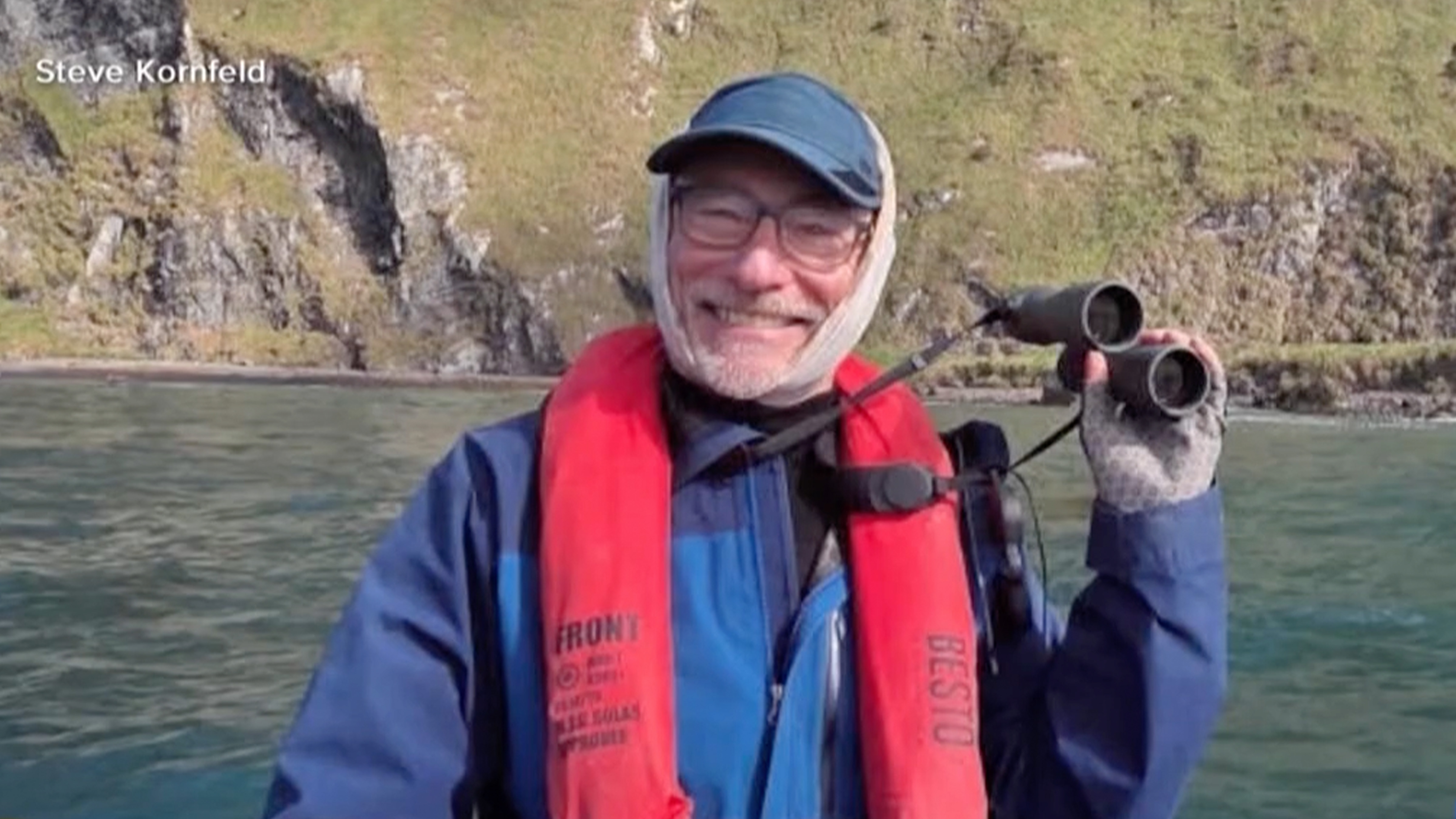
Stephen Kornfeld, an American oncologist and fellow passenger, assumed medical responsibilities on board after the ship’s physician became ill. Kornfeld, a prominent figure in the birdwatching community, managed the limited medical resources available to stabilize the passengers. While the specific source remains under investigation, the term “hantavirus” became associated with the vessel following positive test results from passengers who had disembarked.
Did You Know?
The White-throated Caracara, also known as Darwin’s Caracara, is frequently observed at the Ushuaia landfill at a rate 14 times higher than the regional average, making the site a primary destination for birdwatchers visiting the “End of the World.”
Investigating the Source of Infection
Argentine investigators have pointed toward the Ushuaia landfill as a possible site of exposure for the Dutch couple. However, experts caution that linking the cases to this single location is premature. Luis Escobar, a disease ecology researcher at Virginia Tech, noted that the couple traveled extensively through Argentina, Chile, and Uruguay, and that hantavirus has an incubation period ranging from four to 42 days.
Local officials in Ushuaia have contested the focus on the city’s landfill. Juan Petrina, the province’s director of sanitation and epidemiology, stated that there have been no confirmed hantavirus cases in the region since 2000. He characterized the focus on the local landfill as a potential misattribution, noting that the long-tailed pygmy rice rat—a known carrier of the virus—is rarely found in the area.
Expert Insight:
The challenges in identifying the origin of this outbreak highlight the complexities of tracking zoonotic diseases in international travelers. Because the victims moved across multiple jurisdictions, epidemiological tracing requires a comprehensive analysis of their entire itinerary rather than focusing on a single high-profile site. The absence of local historical data for hantavirus in Ushuaia creates a significant evidentiary gap that must be addressed before definitive conclusions can be drawn.
What Happens Next
As of late May 2025, the World Health Organization has not released a formal identification of the infection source. Public health officials are expected to continue cross-referencing the travel history of the affected passengers with environmental data. A possible next step in the investigation involves collecting rodent samples along the travelers’ documented routes to perform genetic sequencing and match the viral strain found in the patients.
Frequently Asked Questions
What is the current status of the hantavirus investigation?
As of May 28, 2025, the World Health Organization has not disclosed or confirmed the source of the hantavirus outbreak on the MV Hondius.
Why is the Ushuaia landfill being scrutinized?
Investigators suggested the landfill as a possible site of infection because the Dutch couple visited the area for birdwatching before boarding their cruise.
What are the symptoms of the virus reported on the ship?
Affected passengers reported symptoms including fever, headache, and diarrhea, which initially led some to suspect common illnesses like influenza before the hantavirus diagnosis emerged.
How do you balance the risks of travel with the desire to explore remote ecosystems?