

Hantavirus: The History and Growing Threat of the Sin Nombre Virus
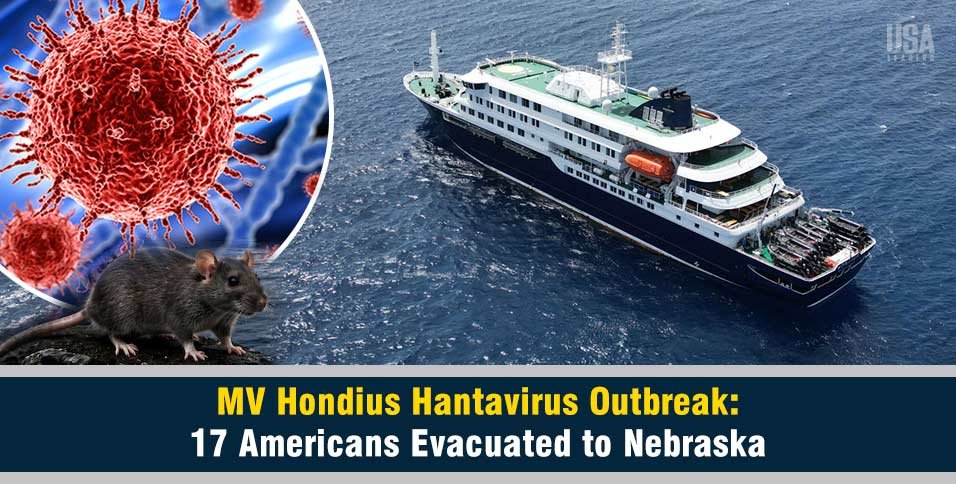
The intersection of environmental instability and public health continues to present significant risks to global mobility and local economies. A recent incident in April 2026 involving the passengers and crew of the MV Hondius, who were affected by a hantavirus causing severe pneumonia, underscores the persistent threat of rodent-borne pathogens.
The Discovery of Sin Nombre
The identification of these viruses often follows sudden, unexplained clusters of illness. In May 1993, a 19-year-old Navajo marathoner died rapidly from severe pulmonary edema and hemorrhage, following the death of his fiancée under similar circumstances.
Investigator Richard Malone of the New Mexico health department, alongside pathologists, identified a pattern after four more healthy young adults in the same reserve died. Initial suspicions included the plague (Yersinia pestis), Legionella, Mycoplasma, and influenza.
Testing eventually revealed a new hantavirus, leading to the classification of Hantavirus Pulmonary Syndrome (HPS). This was a landmark discovery, as hantaviruses were previously known only to affect the kidneys in South Korea.
Environmental Triggers and Economic Fallout
The 1993 outbreak was linked to a dramatic ecological shift. Heavy rain and snow caused by El Niño led to a profusion of nuts and insects, causing the deer mouse population to increase tenfold between May 1992 and 1993.
These rodents infested homes within the reserve, facilitating the jump of the virus to humans. While the Sin Nombre strain does not transmit from person to person, other strains, such as the Andes strain in South America, can do so with disastrous results.
The economic consequences were severe. The media’s use of the term “Navajo disease” led to the cancellation of tourism projects in a region already struggling with poverty and a heavy dependence on visitors.
Systemic Risks and Future Projections
Modern healthcare systems may face increasing challenges as climate change alters rodent populations and habitats. The encroachment of agriculture and urban expansion into these habitats, combined with exotic tourism and poverty-driven unsanitary conditions, may increase human-rodent contact.
With 60 known rodent-borne pathogens, including arenaviruses and Yersinia pestis, the potential for new outbreaks is a systemic concern. The risk is compounded by a decline in pathology resources; for instance, in Quebec, autopsies are becoming rarer due to staffing shortages and costs.
Future responses to respiratory distress in marginalized populations could be hindered by these resource gaps and lingering socio-economic biases. If health systems lack the capacity for detailed autopsies, new strains of hantavirus may go undetected, as seen in the death of Betsy Arakawa in February 2025.
Frequently Asked Questions
What is the Sin Nombre virus?
It is a strain of hantavirus identified in North America that causes Hantavirus Pulmonary Syndrome (HPS), characterized by severe pulmonary edema and hemorrhage. Unlike the Andes strain, it is not transmitted between humans.
How did environmental factors lead to the 1993 outbreak?
Abundant rain and snow caused by El Niño increased the availability of food (nuts and insects), which caused the deer mouse population in New Mexico to increase tenfold, leading to higher infestation rates in human dwellings.
What were the social and economic impacts on the Navajo community?
The labeling of the outbreak as a “Navajo disease” caused a decline in tourism, led to the cancellation of vacation projects, and resulted in racist stereotypes that saw individuals refused access to businesses and students forced to undergo medical tests.
How should global health authorities balance the need for rapid reporting with the necessity of protecting vulnerable local economies from stigmatization?