
Health Update Reunion Island: Dengue, Leptospirosis and Mpox Status June 2026
Public health authorities in La Réunion report a seasonal decline in leptospirosis cases following a March epidemic peak, while dengue fever and chikungunya continue to circulate at low levels. As of June 11, 2026, health officials have recorded 195 indigenous cases of leptospirosis, 250 cases of dengue, and 48 cases of chikungunya since the start of the year.
Did You Know? The number of leptospirosis cases linked to freshwater recreational activities—such as swimming, fishing, and canyoning—has risen to 36 so far this year, compared to 12 cases reported during the same period in 2025.
Status of Leptospirosis and Arboviruses
Leptospirosis activity peaked in March with 69 cases before entering a downward trend in April and May, according to data from health authorities. While the current infection rate is now comparable to the five-year average, 195 indigenous cases have been confirmed since January 1. The southern region of the island remains the most affected, accounting for 45% of the total cases.
Regarding arboviruses, dengue transmission remains stable with approximately 20 new cases reported weekly. Active transmission clusters are currently identified in Saint-Leu, Saint-Pierre, and Saint-Gilles-les Bains. While the DENV1 serotype remains dominant, DENV2 has been detected in several municipalities, including Saint-Paul, Le Port, Saint-Denis, and Le Tampon. Chikungunya activity remains limited to isolated cases with no active clusters reported.
Mpox and Influenza Surveillance
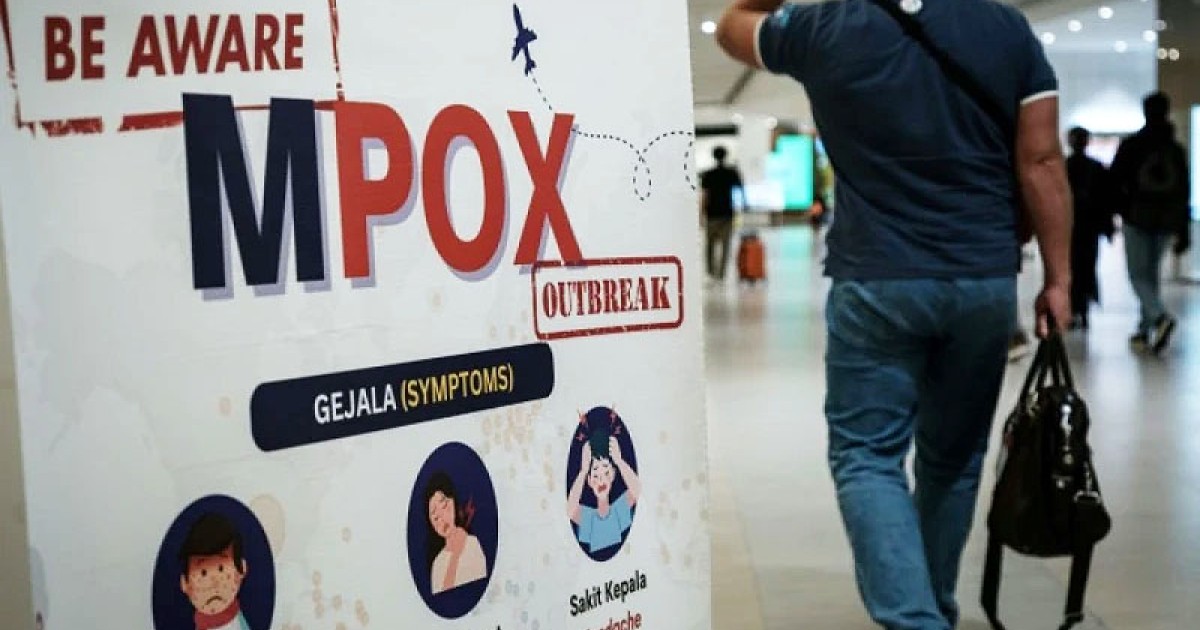
Health officials identified two new imported cases of Mpox in the second week of June, bringing the total count to 17 cases of the clade Ib strain for 2026. This total includes 12 cases imported from Madagascar and 5 indigenous cases, three of which resulted from secondary transmission. Meanwhile, influenza-related emergency room visits rose slightly to 25 cases, though hospitalizations remain low and stable at five admissions.
Expert Insight: Samantha Carter notes that while the seasonal decline in leptospirosis is a positive development, the persistence of dengue and the introduction of imported Mpox cases require sustained vigilance. The shift in exposure patterns—specifically the rise in water-based recreational transmission—suggests that public health messaging must adapt to evolving lifestyle risks to prevent further spikes.
What May Happen Next
As the island enters the winter season, environmental conditions may become less favorable for the survival of the bacteria responsible for leptospirosis, potentially leading to a continued decrease in cases. However, health authorities warn that the risk of infection remains during activities in humid environments without proper protection. If patients present with dengue-like symptoms, medical professionals are advised to utilize a “chik/dengue/lepto” PCR triplex test to ensure accurate diagnosis and appropriate clinical management.

Frequently Asked Questions
Which regions of the island are most affected by leptospirosis?
The southern sector accounts for 45% of the 195 reported cases, followed by the eastern sector, which represents 28% of the total.
Are there active clusters of chikungunya on the island?
No, there are currently no active clusters of chikungunya. Health authorities report only isolated cases at this time.
How many people have been hospitalized for leptospirosis?
Among the cases where information was available, 108 individuals—or 65% of patients—required hospitalization. One death directly linked to the disease has been confirmed.
Are you taking the necessary precautions when engaging in freshwater activities to mitigate health risks?