

Heart to Heart: Rediscovering Authentic Arabic Music Through Maqam
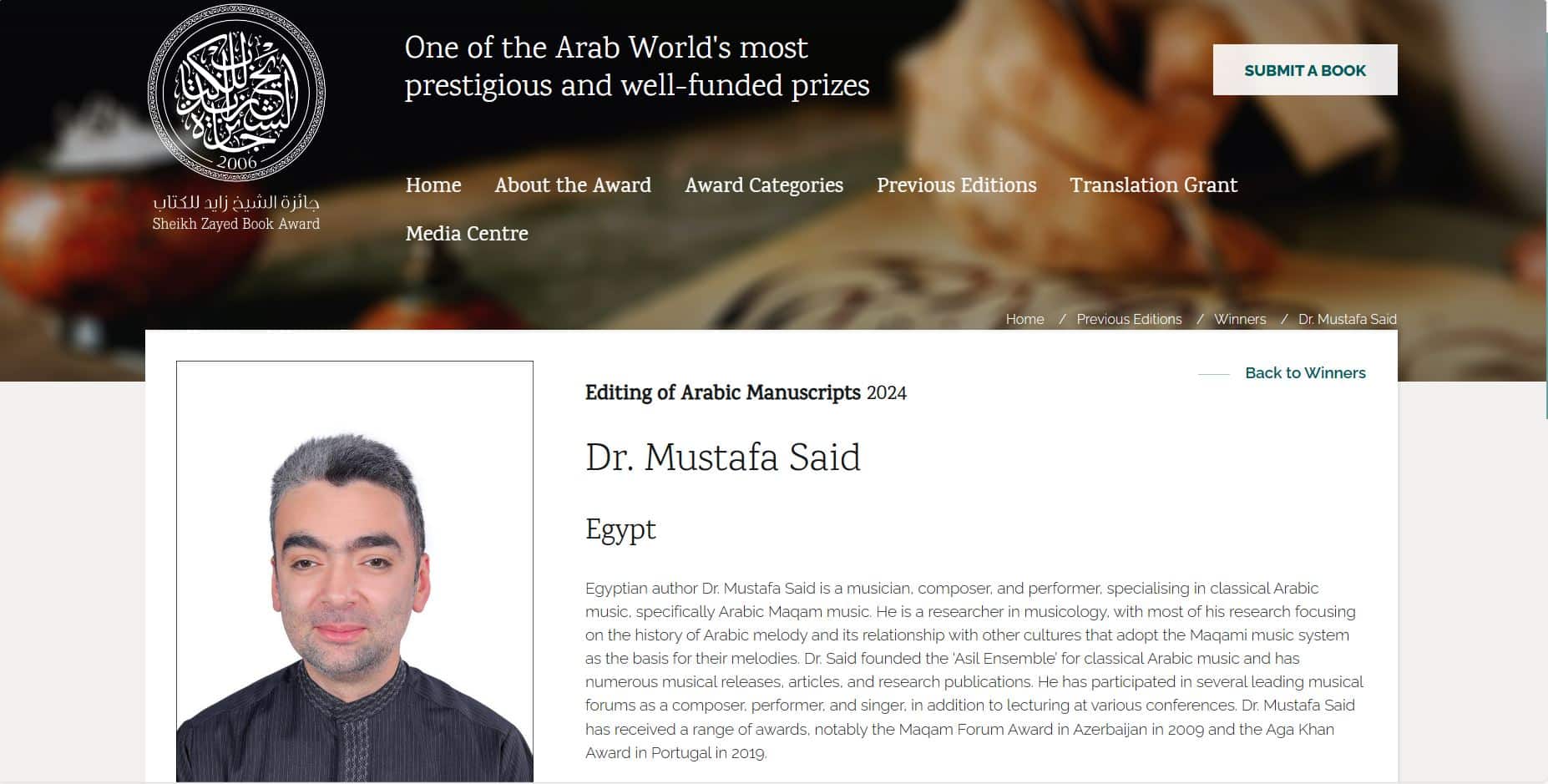
The Heart to Heart concert series in Doha, now in its second year with Qatar Foundation support, mandates a strict no-technology policy to facilitate unmediated musical performances. According to composer and oud player Dr. Mustafa Said, the series prohibits mobile phones, screens, and electronic amplification to preserve the natural complexity of sound waves and foster a direct connection between performers and the audience.
Did You Know?
The Heart to Heart series draws from eight centuries of Arabic musical tradition, incorporating both historical manuscripts dating back to the late 19th century and newly commissioned works.
Why the shift away from amplification matters
Dr. Mustafa Said frames the rejection of modern concert technology as an environmental and artistic necessity. He compares the mass production of amplified sound to the use of chemicals in industrial agriculture, arguing that while both methods increase reach and output, they strip away essential benefits—in music’s case, the natural harmony and spatial behavior of sound.
By removing electronic shaping, the series aims to restore the nuanced interaction between the performer and the listener. According to Said, amplified music often replaces organic vibrations with simplified, electronically shaped waveforms that flatten the listening experience.
Expert Insight:
The initiative highlights a growing tension between industrial-scale music distribution and the desire for “authentic” engagement. By prioritizing acoustic purity over volume, the project challenges the contemporary expectation that music must be mediated by screens or electronic enhancement to be considered a modern, relevant experience.
The role of maqam in contemporary performance
At the center of the series is maqam, the melodic system underpinning Arabic classical music. Dr. Said describes maqam not merely as a scale, but as a sophisticated system of melodic pathways and microtonal nuances derived from language. He notes that the system is deeply embedded in the collective memory of the nation, influencing how people speak, pray, and live.
Rather than treating the tradition as a static museum piece, the series uses maqam as a foundation for living art. Artists in the series employ a range of approaches, from reproducing historical heritage to performing original compositions. This, according to Said, represents preservation through evolution, ensuring the music remains meaningful for future generations.
What could happen next for the series
While the Heart to Heart series currently functions as a parallel to mainstream arena shows, Dr. Said suggests its influence could shift how audiences think about culture and listening. He posits that the project may inspire a broader return to instinctive, human-centered ways of creating and experiencing art.
Future developments for the series remain open-ended. Dr. Said stated that the goal is not to force a “reset” of the music industry but to allow for an organic evolution. He hopes that by providing a space for unmediated listening, the project will continue to serve as an alternative model that values presence and attention over industrial-scale production.
Frequently Asked Questions
What rules are in place for the Heart to Heart concerts?
The series prohibits the use of mobile phones, screens of any kind, and electronic amplification to ensure an unmediated acoustic experience.
How does Dr. Mustafa Said define the goal of the project?
He defines it as a “rebalancing” rather than a rejection of modern culture, aiming to create a space where music is experienced directly without the distractions of contemporary technology.
Is the series focused only on historical music?
No. While the series draws on eight centuries of tradition and historical manuscripts, it also features newly commissioned works and contemporary compositions rooted in the maqam system.
Could this return to unmediated, analog performance influence the wider global concert industry?