

Heavys H1H headphones review: Specs, features, price
The audio industry is shifting toward genre-specific hardware, as seen with the launch of the Heavys H1H headphones. By employing an eight-driver system engineered by Axel Grell, the H1H targets rock and metal listeners specifically, signaling a departure from the “broadly neutral” tuning standard used by most major consumer headphone brands.
Why is genre-specific tuning replacing neutral sound profiles?
Most consumer headphones aim for a neutral sound to appeal to the widest possible audience. The Heavys H1H rejects this approach, focusing instead on the specific sonic characteristics of rock and metal, according to the product’s design philosophy.
This shift suggests a future where hardware is tuned for specific instruments. The H1H uses a multi-driver configuration to emphasize guitar presence and drum impact, which the company claims standard tuning fails to serve. While brands like Sony and Apple produce versatile flagships, the H1H positions itself as a niche tool for a specific listener, similar to how Beats historically targeted bass-heavy music.
How will multi-driver arrays impact consumer wireless audio?
The H1H utilizes eight drivers in total—four per side—consisting of two low/mid-range drivers and two high-frequency tweeters. This differs from the single dynamic driver found in most wireless headphones.
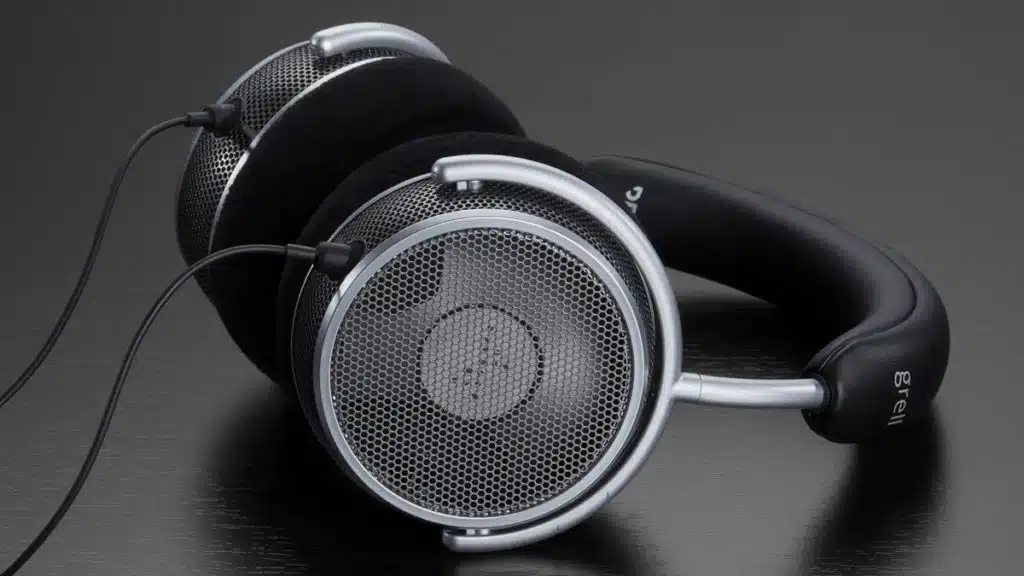
According to the technical specifications, this multi-driver approach is typically reserved for professional in-ear monitors used by musicians. By separating frequencies across dedicated drivers, the H1H aims to improve clarity and reduce distortion at high volumes. This indicates a trend where professional-grade internal architecture moves into the $200–$300 consumer price bracket.
The H1H’s wired frequency range extends from 5 Hz to 46 kHz, significantly wider than many competitors. Even in Bluetooth mode, it reaches 24 kHz, which exceeds the standard range of human hearing.
Can physical customization increase brand loyalty in tech?
Hardware is becoming a canvas for fan identity. The H1H features interchangeable outer shells, allowing users to swap designs from bands like Motorhead, Lamb of God, and Slayer without using tools.
This system transforms a piece of technology into a collectible. While most brands offer a few static colors, the H1H creates an ecosystem of licensed artist designs. This strategy suggests that future audio hardware may lean more heavily into “drop” culture and limited-edition aesthetic partnerships to maintain engagement beyond the initial purchase.
What is the next step for battery life and noise cancellation?
Battery longevity is moving past the 30-hour mark. The Heavys H1H claims up to 50 hours of battery life, with real-world testing showing results between 41 and 52 hours. This is achieved partly through a physical on/off switch, a feature missing from competitors like the AirPods Max.
Noise cancellation is also becoming more specialized. The H1H uses “HellBlocker ANC,” a hybrid of passive physical blocking and active electronic cancellation. In side-by-side tests against the AirPods Max, the H1H performed slightly better in car environments, while the AirPods Max held an edge on planes and trains.
| Feature | Heavys H1H | Industry Average (Mid-High Range) |
|---|---|---|
| Driver Count | 8 (4 per side) | 2 (1 per side) |
| Battery Life | Up to 50 Hours | ~30 Hours |
| Tuning | Genre-Specific (Rock/Metal) | Broadly Neutral |
Frequently Asked Questions
Are the Heavys H1H compatible with iPhones?
Yes. They support the AAC codec, which is the preferred format for Apple devices, and utilize a USB-C connection for digital audio and charging.

What makes the eight-driver system different?
Most headphones use one driver to handle all frequencies. The H1H uses four drivers per side—two for low/mid frequencies and two tweeters for highs—to reduce distortion and increase clarity in rock and metal mixes.
How does the battery life compare to other headphones?
The H1H offers up to 50 hours of playback, which is significantly higher than the 30-hour average found in many competing wireless headphones in the $274 price range.
Do you prefer a neutral sound profile or headphones tuned for your favorite genre? Let us know in the comments below or subscribe to our newsletter for more deep dives into audio tech.