
Hero Pose Helps You Turn Inward and Build Self-Trust
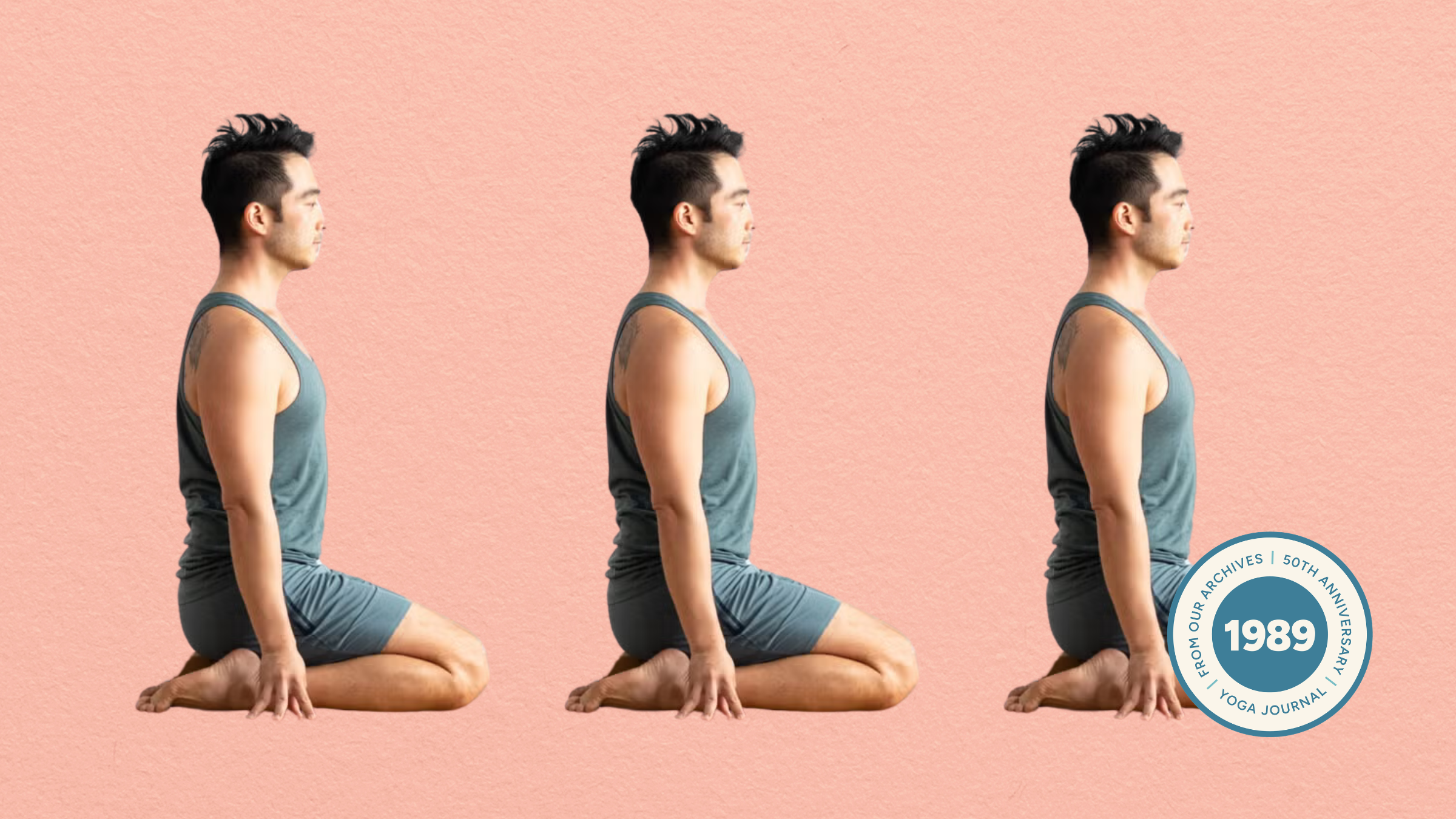
Hero Pose, or Virasana, serves as a foundational yoga posture for realigning the thighs and addressing knee discomfort through specific inward rotation techniques. According to archives from 1989, the pose functions as a physical manifestation of the hero’s journey—a transition from external distraction to internal stillness—by utilizing anatomical adjustments to the femur and pelvis. Practitioners use this asana to cultivate qualities of surrender and self-study, though the transition requires precise alignment to avoid joint strain.
Did You Know? The practice of kneeling in supplication has been a symbolic gesture of surrender for centuries, with evidence appearing in a sixth-century B.C. Egyptian sculpture of a priest of the goddess Nut.
How to Practice Virasana for Alignment
Virasana is unique among basic poses because it requires internal rotation of the thighs, making it an essential counterpose to external-rotation postures like Lotus Pose. To perform it, practitioners begin in a kneeling position with knees together and feet hip-width apart. By smoothing calf muscles downward and sitting on the floor or a block, the student creates a stable base. Proper execution involves moving the thighbones toward the outer back thighs, which firms the muscles above the inner knee and helps draw the pelvis into a neutral, aligned position.

Expert Insight: The distinction between surrender and submission is a critical psychological component of this practice. While submission implies a power transaction that can lead to spiritual depression, true surrender represents an act of love and self-giving. Teachers should remain mindful of this, as fostering dependency on a leader can inadvertently mirror the power dynamics the practice is meant to help students transcend.
Managing Knee and Ankle Sensitivity
Discomfort in Virasana often stems from incorrect thigh rotation or excessive pressure on the joints. If a student experiences pain at the inner knee, the thigh generally requires further inward rotation, while outer knee pain suggests a need for outward rotation. According to anatomical guidance, practitioners should compare the angle of their kneecaps and the shape of their thighs before adjusting. If pain persists despite these refinements, placing a roll behind the knees or under the ankles can help relieve pressure and improve circulation, preventing the blanching of skin sometimes seen in the ankle area.
Why Internal Rotation Matters for Other Poses
The awareness gained through Virasana’s inward rotation is applicable to a broad range of yoga postures. In inverted poses like Headstand or Shoulderstand, this movement prevents the common tendency to grip the inner buttocks and externally rotate the thighs, thereby strengthening the lift of the legs. Similarly, in backbends, moving the thighbones toward the outer back thighs helps prevent the overtucking of the tailbone, which protects the lumbar spine from compression. Mastering this internal action provides structural stability that carries over into standing poses, such as Warrior Pose II.

What May Happen Next
As practitioners move beyond physical alignment, they may find that the practice of svadhyaya, or self-study, encourages a shift away from reliance on external authority. By fostering an environment where students trust their own perceptions, yoga communities could reduce the potential for unhealthy dependencies on charismatic teachers. This transition from external validation to internal wisdom represents the final stage of the hero’s journey: a life-enhancing return to the world with clarity and increased vitality.
.webp "What May Happen Next")
Frequently Asked Questions
What is the primary physical benefit of Virasana?
Virasana is used for healing the knees and realigning the thighs, serving as one of the few basic poses that works directly with inward rotation.
How can I tell if my ankle is being overworked in this pose?
Overworked ankles may show a blanched or yellow patch of skin at the back of the ankle, indicating restricted blood circulation, or cause cramps in the sole of the foot.
What is the difference between submission and surrender in a yoga context?
As defined by poet Stephen Mitchell, submission is a power-based gesture of defeat or slavery, while surrender is a wholehearted, voluntary giving-up of oneself as an act of love.
How do you distinguish between the physical sensations of progress and the potential for injury in your own practice?