
Hezbollah Rejects Lebanon Ceasefire Deal as Israel Refuses Withdrawal
Efforts to establish a ceasefire in Lebanon have faced a significant setback after Hezbollah rejected a new agreement brokered by the United States. Simultaneously, Israel has affirmed that its military forces will not withdraw from the country, complicating the U.S. President’s broader strategy to secure peace with Tehran.
Diplomatic Deadlock and Iranian Conditions
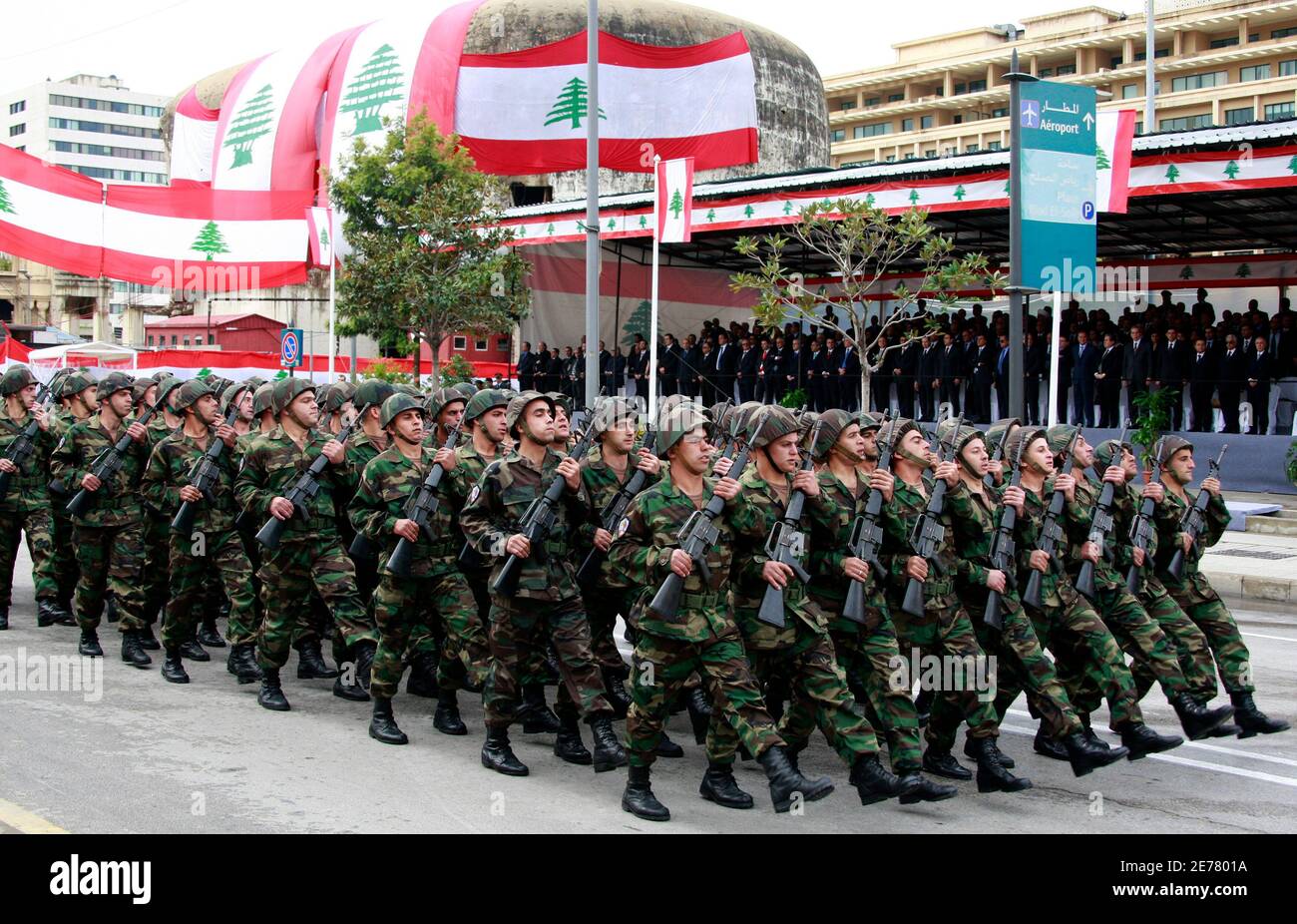
Hezbollah Secretary-General Naim Qassem rejected the U.S.-mediated deal between Israel and the Lebanese government, noting that Hezbollah was not a party to the negotiations. The rejected proposal required Hezbollah to cease fire and withdraw from border areas to allow the Lebanese Army to deploy in new “experimental zones.”
Iran has tied the Lebanese ceasefire to a larger agreement with Washington. Tehran has hinted at the possibility of direct intervention to support Hezbollah if Israeli attacks persist.
The commander of the Revolutionary Guard’s Quds Force stated that the minimum demand for the resistance in Lebanon is a full Israeli withdrawal to the positions held before the war began.
The Proposal for Simultaneous Withdrawal
In a potential shift, Lebanese Parliament Speaker Nabih Berri suggested on Friday, June 5, 2026, the possibility of a “simultaneous withdrawal.” Berri proposed that Hezbollah could withdraw from the region south of the Litani River in parallel with an Israeli withdrawal from Lebanon.
Berri’s vision includes a comprehensive and unconditional ceasefire across land, sea, and air. He further specified that this agreement must occur without the demolition or leveling of existing structures.
Escalation on the Ground
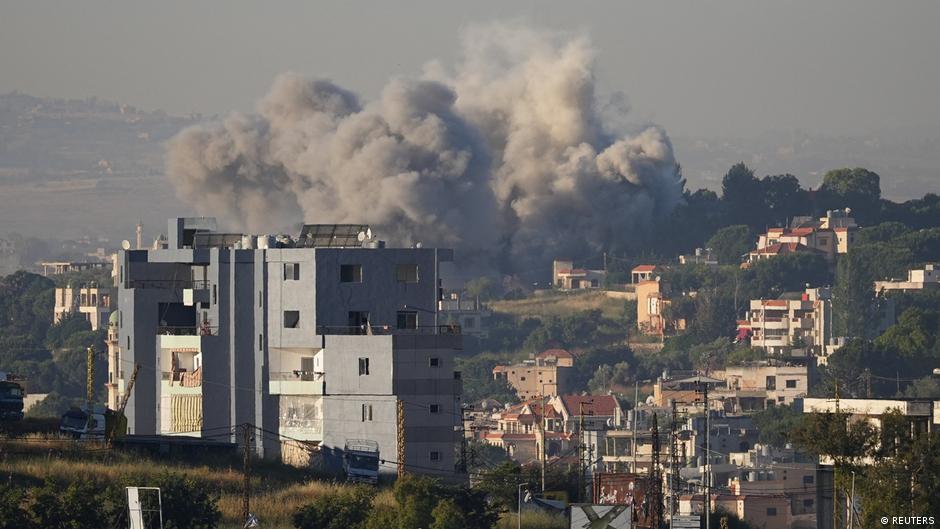
Military operations continue as Israeli Defense Minister Israel Katz stated that forces will not stop their operations or withdraw from the region. Recent strikes in the city of Tyre resulted in seven deaths, including four people killed in a strike near the Jabal Amel Hospital.
The Israeli military has issued new evacuation warnings for nine towns and villages located north of the Litani River. The Lebanese National News Agency has reported “massive displacement” of residents from these areas.
Hezbollah reported conducting several operations on Friday. These included ambushing Israeli forces near Al-Ghandouriya with explosive devices and targeting military gatherings in the vicinity of Shaqif Castle and the town of Al-Qantara.
Potential Future Scenarios
The current impasse suggests that fighting may continue if a compromise on the Litani River boundary is not reached. A possible next step could involve further diplomatic pressure to align the Lebanese government’s position with Hezbollah’s demands.

If Israeli strikes persist, it is likely that Iran may consider the direct intervention it has previously hinted at. Conversely, the conflict could shift toward the “simultaneous withdrawal” framework suggested by Nabih Berri if both parties find it a viable alternative to the failed U.S. Proposal.
Frequently Asked Questions
Why did Hezbollah reject the U.S.-brokered ceasefire? Hezbollah rejected the deal because it required them to withdraw from the borders and accept the deployment of the Lebanese Army in “experimental zones,” whereas they demanded a full Israeli withdrawal from Lebanon. What is the “simultaneous withdrawal” proposal? Proposed by Speaker Nabih Berri, this plan suggests that Hezbollah withdraw from south of the Litani River at the same time Israel withdraws from Lebanon, accompanied by a total ceasefire on land, sea, and air. What is the international legal status of Hezbollah? The United States, the European Union, and the United Kingdom consider Hezbollah or its military wing to be a terrorist organization. Germany specifically banned the group’s activities in 2020.
Do you believe a simultaneous withdrawal is a realistic path toward lasting peace in the region?