
Hidden geological process offsets carbon emissions from thawing permafrost
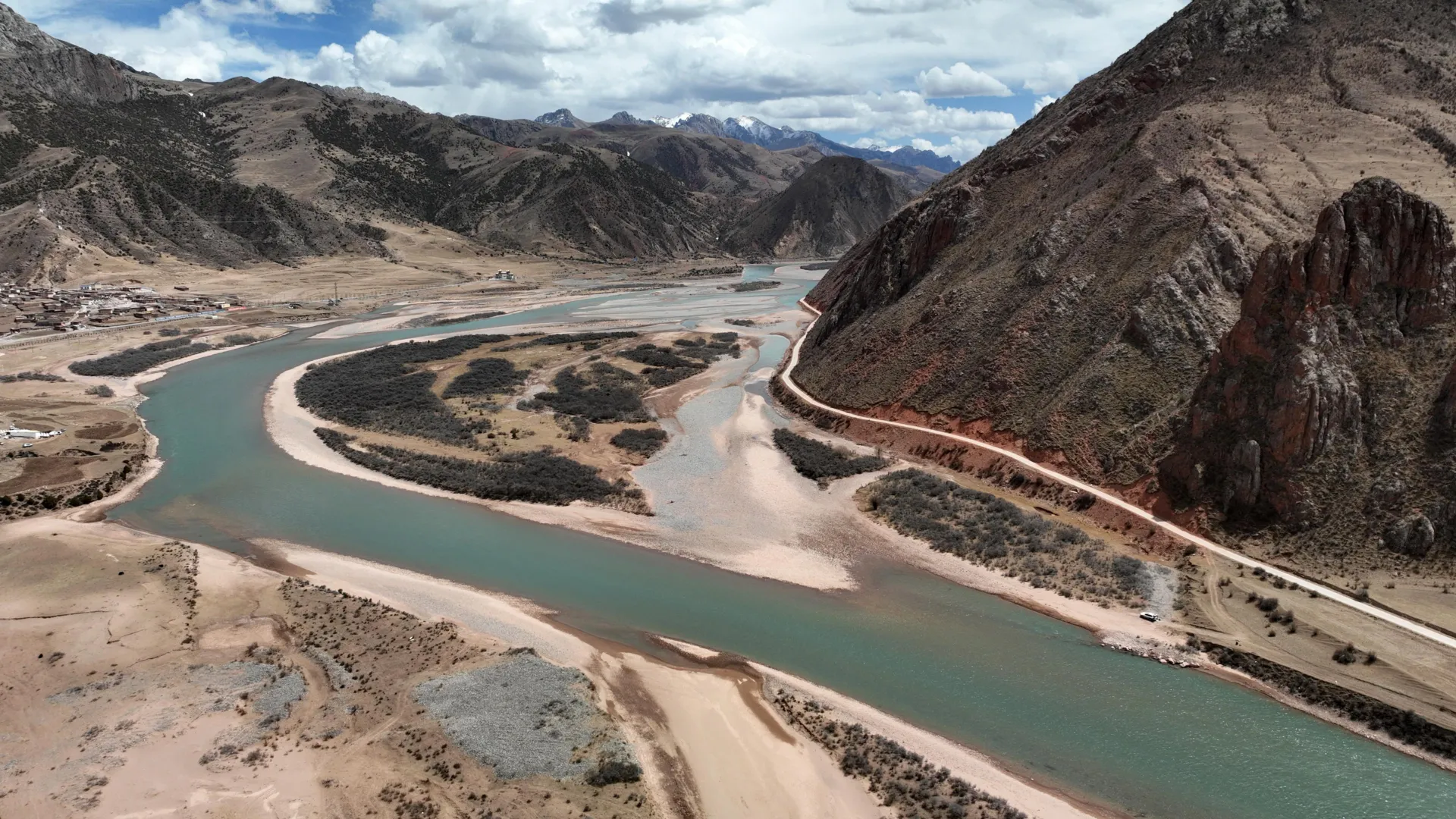
Thawing permafrost may partially mitigate its own contribution to climate change through a process called chemical weathering, according to a study published in the journal Nature. Research conducted by scientists from Umeå University and East China Normal University indicates that as frozen ground degrades, newly exposed minerals react with water to consume atmospheric carbon dioxide (CO2), in some cases offsetting up to 100 percent of the greenhouse gases released by river systems in the region.
How does permafrost thaw trigger carbon removal?
Thawing permafrost typically releases ancient organic carbon, which microbes convert into greenhouse gases. However, this degradation also exposes fresh rock surfaces to water, accelerating chemical weathering. According to the Nature study, this geological process acts as a carbon sink. By analyzing 50 rivers across the Qinghai-Tibet Plateau, researchers found that this weathering-driven uptake consumes CO2 that would otherwise enter the atmosphere. Lead researcher Liwei Zhang of East China Normal University reports that in areas where permafrost has become fragmented, this geological uptake is significant enough to rival or exceed the carbon emissions produced by biological decay in the same river catchments.
Chemical weathering is a natural process where rocks break down through chemical reactions with water and atmospheric gases. While often slow, the exposure of fresh mineral surfaces in thawing landscapes can speed this up dramatically.
What is the net impact on global carbon cycles?
The net effect of thawing permafrost is a complex interaction between biological emissions and geological absorption. Data from the Qinghai-Tibet study suggests that across the entire observed region, rock weathering offsets approximately 35 percent of river-based CO2 emissions. Jan Karlsson, a professor at Umeå University, notes that current climate models often overlook this geological sink. By focusing exclusively on the biological release of carbon from ancient soils, scientists may be missing a critical piece of the climate puzzle. Future climate assessments must integrate both the biological “source” and the geological “sink” to accurately predict how thawing landscapes influence global warming.
Comparison: Biological vs. Geological Carbon Dynamics
| Process | Carbon Effect | Driver |
|---|---|---|
| Microbial Decomposition | Release (Source) | Ancient organic matter |
| Chemical Weathering | Uptake (Sink) | Exposed mineral surfaces |
Why should we be cautious about this finding?
Researchers warn that chemical weathering is not a permanent solution or a “fix” for climate change. The process is highly variable; while some minerals consume CO2, others can release it depending on their chemical composition. Furthermore, the rate of weathering is dictated by local geology, meaning the offset observed on the Qinghai-Tibet Plateau may not be replicated in other permafrost regions like the Arctic. According to the study authors, the primary goal of this research is to improve the accuracy of carbon cycle models rather than suggest that geological weathering will negate the impact of human-driven emissions.
Frequently Asked Questions
Does thawing permafrost stop being a climate threat?
No. While chemical weathering can offset some emissions, the study highlights that biological processes remain a massive source of greenhouse gases. The research simply proves that geological sinks are currently missing from our climate accounting.
Is this process happening everywhere?
The research focused on the Qinghai-Tibet Plateau. The extent of this carbon uptake depends heavily on the specific minerals exposed during the thaw, so the effect varies by region.
How do scientists measure this uptake?
The team used a combination of isotopic tracers, geochemical models, and measurements of dissolved inorganic carbon in rivers to track how much CO2 was being pulled from the atmosphere.
Have questions about how geological processes impact climate models? Share your thoughts in the comments below or subscribe to our newsletter for the latest updates on climate science research.